


 Česky (CZK)
 Slovensky (EUR)
 Deutsch (EUR)
 Austria
 Belgium
 Bulgaria
 Croatia
 Denmark
 Estonia
 Finland
 France
 Germany
 Greece
 Hungary
 Italy
Italy Latvia
 Lithuania
 Luxembourg
 Netherlands
 Poland
 Portugal
 Romania
 Slovenia
 Spain
Spain Sweden










What to buy for the first thousand crowns for Asian cuisine: the basics you can really cook with
The first purchase "for Asian cuisine" does not have to be a bunch of random sauces. When you divide your budget (for example around a thousand crowns) according to functions – saltiness and umami, acidity, sweetness, spiciness, fat and aroma, plus rice or noodles – you get a base from which you can cook repeatedly without unnecessary improvisation. The article provides a practical plan: how to choose the entry style of dishes, what makes sense to buy immediately, what to wait for, how to read labels and how to avoid typical beginner mistakes.
Why "the first thousand crowns" is not a list of exotic bottles
Asian pantry (the basis of household ingredients) is not a contest of the number of sauces. It is a thoughtful set of items that repeatedly occur in cooking – thanks to them you can quickly build flavor and the dish has a clear character even when you don’t have a large purchase of fresh ingredients.
It's also important to distinguish two things: pantry is not the same as a recipe. A recipe may require ten ingredients, but the pantry deals with which you benefit from having repeatedly at home, because they work across dishes (stir-fries, noodles, rice bowls, marinades, simple soups, quick sauces, and dressings).
Therefore, it makes sense to think of purchase as a budget for functions: something for saltiness and umami, something acidic, something sweet, something spicy, aromatic fat, and a starchy base (rice/noodles) plus one "textural" ingredient for the final effect.
First choose your entry style of dishes (and shop accordingly)
The quickest way to a good start is to choose one entry door – a style of dishes that you will cook most often. Not based on what sounds exotic, but on what flavors you like, how much time you want to dedicate to cooking, and what kind of pantry you want to build.
- I want cleaner and clearer flavors → it pays off to build on gentle acidity, umami base, and good aromatic oil.
- I want quick pan dishes → key are “working” cooking sauces, starch for thickening, and basic rice/noodles.
- I want pronounced sweet-sour and spicier flavors → spiciness and sweet-sour components become the main selectors of purchase.
- I want freshness, herbs, and balancing acidity → you will often reach for vinegar/acidic components and spicy seasoning, the rest can be moderate.
- I want spices, braising, and heartier dishes → you will earlier encounter the need for stronger pastes and blends.
- I want homely, accessible dishes with sauce, rice, and acidity → the universal base is the most important, you only need very few specialties.
Practical tip: for a start it makes sense to choose one main cuisine/style and at most one complement to it. Don’t let the rest of your budget "escape" into things you would use only once.
What should have priority: the minimum that recurs in dozens of dishes
A beginner’s mistake is buying too many specialties and lacking the basic items. The absolute minimum can be built moderately – and then expanded according to what you actually cook repeatedly.
Saltiness and umami: choose one reliable “flavor engine”
This role typically involves universal soy sauce and depending on the cooking style, one more pronounced umami component (for example fish sauce or fermented paste). The point is simple: to have something at home that can quickly make a dish “full” even without complex broth.
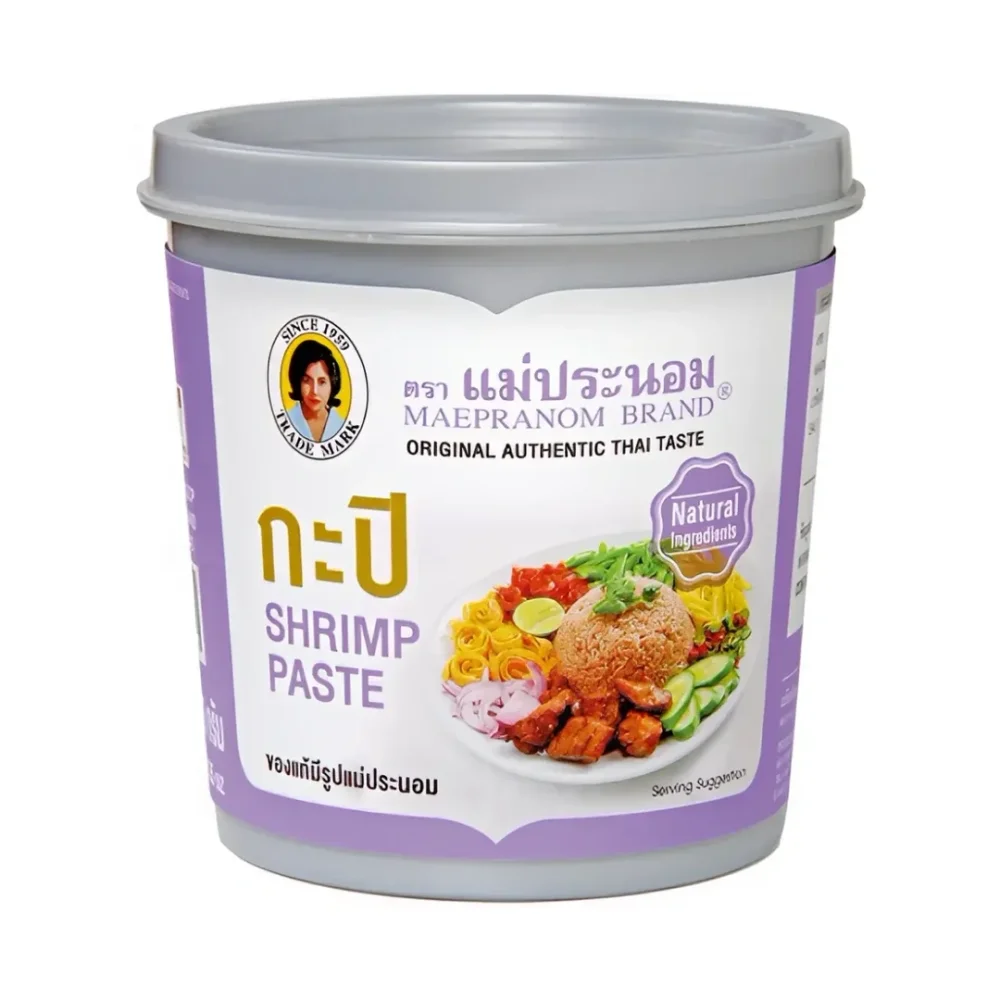
If you want an exemplary example of a strong paste used in small quantities, it can be for instance Maepranom shrimp paste – it is very intense and suitable for curries, sauces, soups, and stir-fries, but for starters consider it more as an "optional upgrade" rather than a necessity.
Acidity: gentle rice vinegar as a universal lever
Gentle acidity is one of the most practical tools in home Asian cooking: it helps balance salt, sugar, and spiciness and works in both cold and warm applications (dressings, marinades, quick pickling of vegetables, seasoning rice).
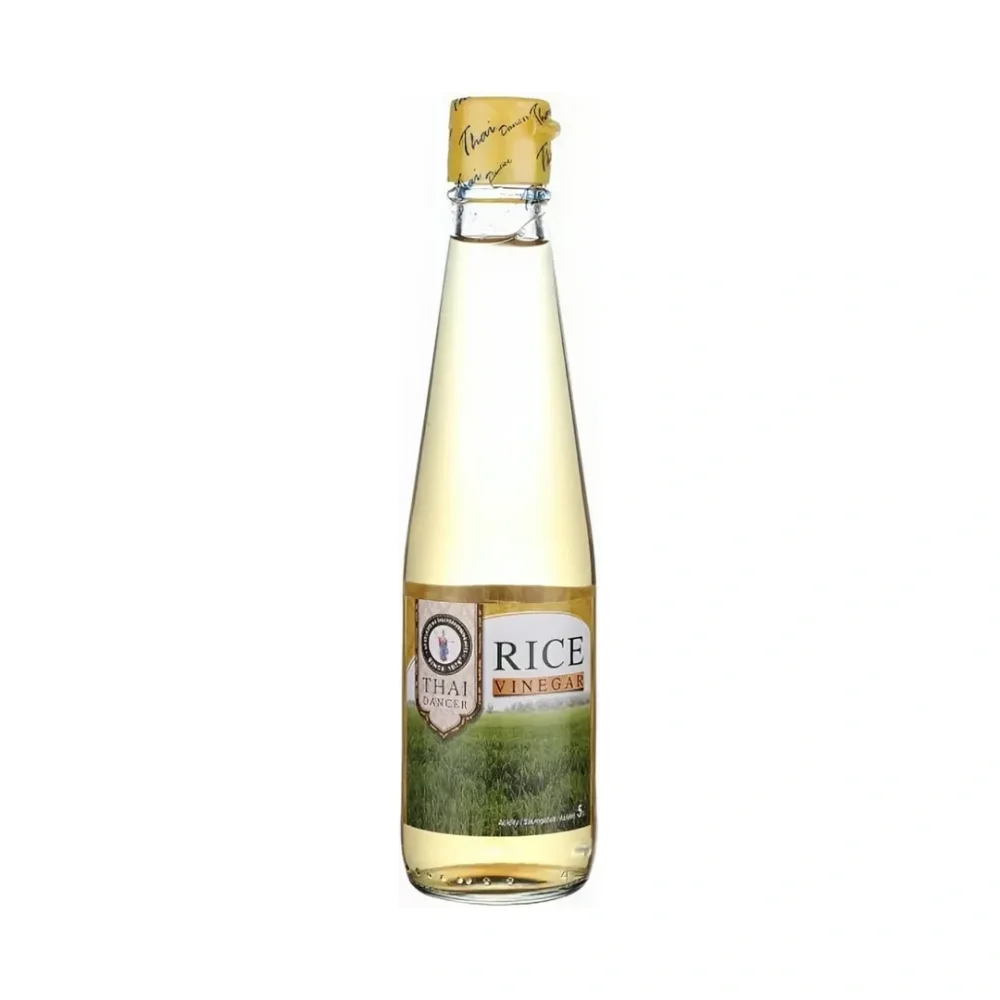
As a universal choice, Thai Dancer rice vinegarworks well. In practice, a simple rule for beginners applies: start with a small amount (for example by teaspoons), taste, and only then add more – the acidity should lift the dish, not overpower it.
Sweetness: ordinary sugar suffices, more important is to know why
Sweetness in Asian cooking often does not serve to make the dish "sweet", but to even out sharp edges (acidity, spiciness, saltiness) and help sauces hold together. For starting, common sugar is enough – the key is to understand its function and dose carefully.
Spiciness: the difference between "pure" chili paste and seasoned sauce
Here, it pays off to watch whether you are buying a base (pure chili) or a seasoned product (chili already mixed with sugar, thickeners, and other seasonings). For universal use, a purer chili base is often more practical because you can add it almost anywhere and adjust flavor separately.
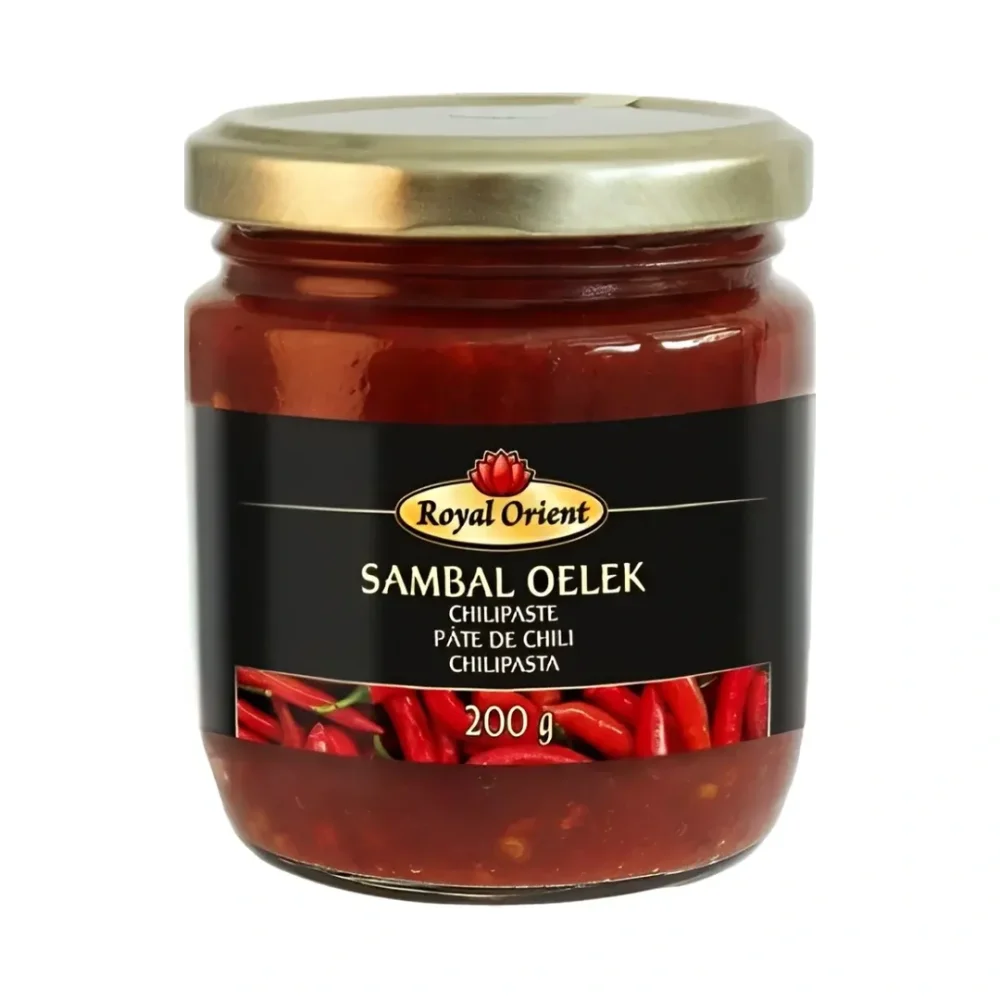
An example of “pure spiciness” is Sambal Oelek (chili paste)Start cautiously: add a small amount, stir, taste, and gradually add more – spiciness is easy to overdo but hard to fix.
👃 Fat and aroma: aromatic oil is for finishing, not frying
Asian pantry includes besides neutral oil also aromatic oil (typically sesame) – but its role is often final seasoning. Practically: it can wonderfully lift noodles or a rice bowl, but it doesn’t make sense to use it as a universal frying oil if you want a reasonable and clear start.
Starchy base: rice and noodles as the surety of “what’s for dinner today”
Rice and dried noodles are what makes the pantry a real base. Even with a few seasonings and a bit of vegetables, meat, tofu or eggs, you can cook a quick and satisfying meal.
- If you are aiming for an Indian style, it makes sense to consider basmati rice.
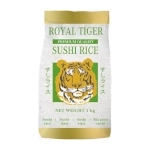
- If you want a Japanese direction and "stickier" rice for bowls or sushi style, check out sushi rice.
- If you are not sure and want to try different types, you can find inspiration in the category other rices.
Texture and “something extra”: one ingredient that makes an effect
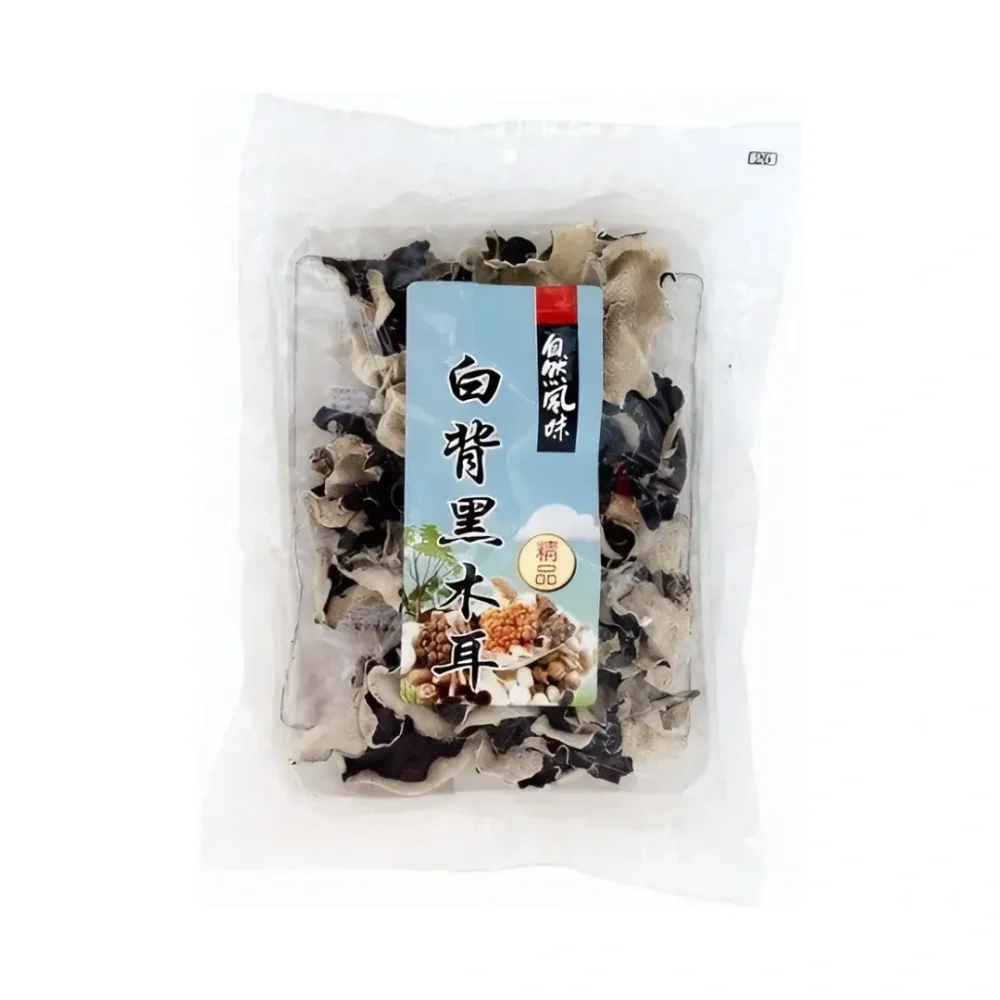
Texture is often as important as flavor in Asian cuisine. A well-chosen “textural” element can elevate even a simple dish. A practical example is dried mushrooms like wood ear – they don’t have an intense flavor but add a springy crunch to soups, stir-fries, and salads, for example Mountains wood ear.
How to start cooking immediately: 3 starting scenarios (without full recipe)
To not overwhelm yourself with the purchase, it’s useful to think ahead: which 3–4 dishes you will repeat. It’s not about cooking "everything," but about gaining confidence in several simple templates and only then expanding the pantry.
1) Quick stir-fry (pan/wok): sauce, starch, rice or noodles
Principle: quickly fry the base (vegetables + protein) in a pan, add the salty umami component, a bit of sweetness, and a drop of acidity. If you want a sauce, starch mixed in a little water helps. Add spiciness only at the end, in small amounts.
What you practice by this: the order of steps and that flavor is built functionally – not by the amount of sauces.
2) "Pho style" quick soup: when you want results without long broth
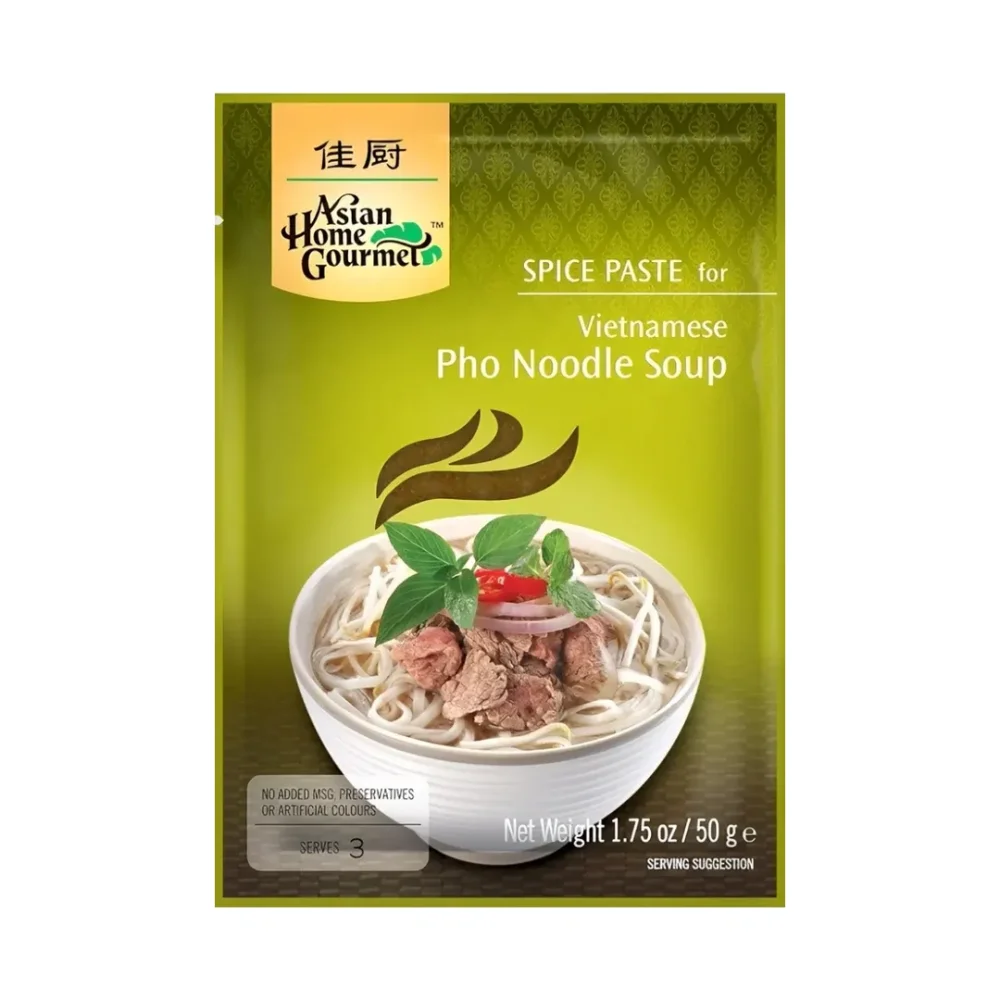
If you want quick success, there are blends that create the flavor base of the soup: mix them in hot broth or water and add noodles, meat/tofu, and herbs. An example is AHG Pho soup paste.
How to do it practically: start with a smaller amount of paste, mix well, taste, and only then adjust saltiness/acidity/spiciness. This is safer than dumping everything at once and then "putting out the fire."
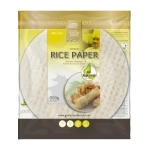
3) Rice paper and simple rolls: when you want a fresher style
If you are attracted to lighter, fresher food that relies mainly on texture and balanced flavor, it’s good to have rice paper. Don’t take it as one specific recipe – more as a format into which you put what you have: vegetables, herbs, protein, and simple seasoning with acidity and spiciness.
Bonus: when a sweet and sour “one bottle” is useful
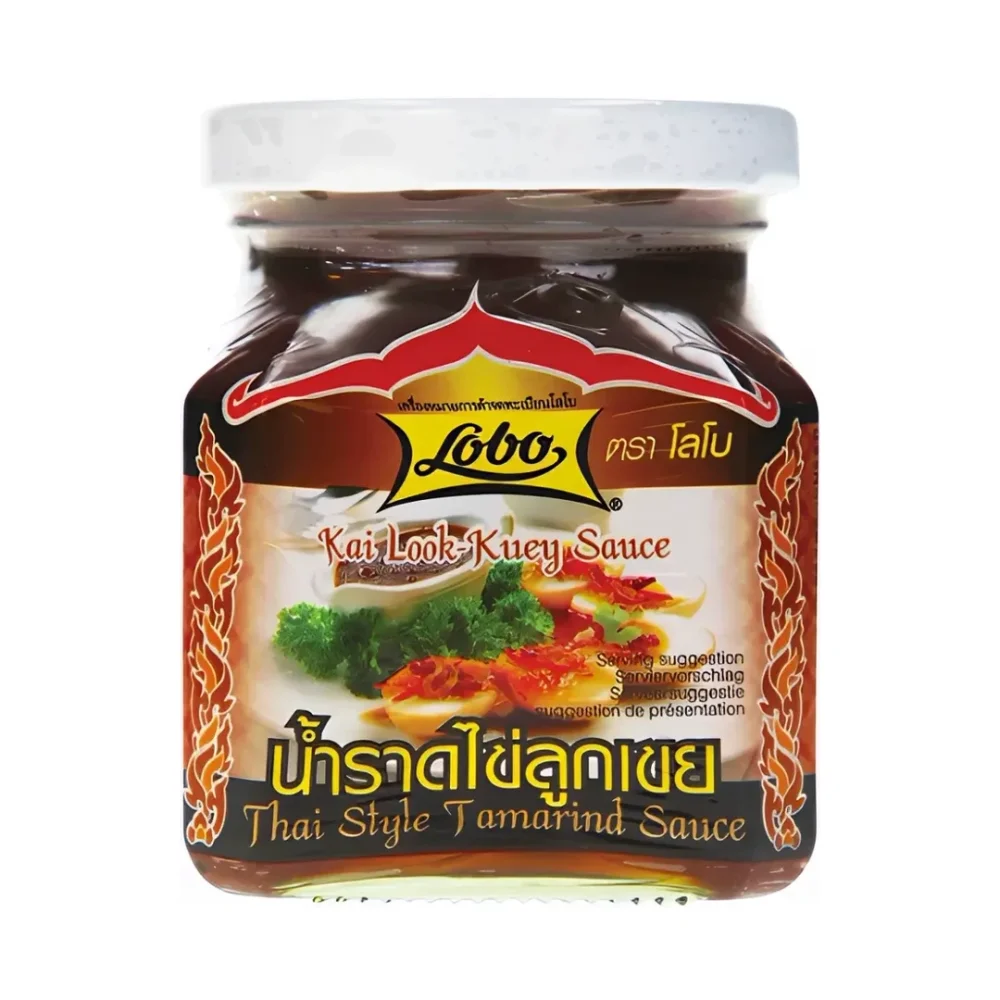
Once you know you enjoy a more Thai style, it might make sense to add one specific sweet and sour component. A typical example is tamarind – for glazing, sauces, and dishes like Pad Thai. A practical choice is Lobo tamarind sauce (Thai style). But consider it a "step up" only when you know you will cook this style more often.
Where to keep it at home: pantry, refrigerator, and freezer (and why it matters)
Storage is not a side detail – it often decides whether the ingredient keeps its aroma, flavor clarity, and usability. For many products, something can still be safe health-wise but already "tired" in taste – and only then truly spoiled.
- Pantry: unopened sauces and vinegars, rice, dried noodles, starches and flours, sugars, spices, dried mushrooms, and seaweed. Important are dryness, less light, and stable temperature.
- Refrigerator: after opening, this often includes gentler seasonings (for quality), fermented pastes, tofu and fresh soy products, opened chili pastes, and some table sauces. Helps slow oxidation and loss of aroma.
- Freezer: an underrated part of the pantry – good for portions of aromatics and dividing some pastes into smaller doses so you don’t have to repeatedly open them and "stress" them in warmth.
Don’t rely solely on the impression "it’s salty, it will last." It’s sensible to follow the nature of the product, whether it is open, and the specific manufacturer’s recommendations.
Common mistakes that eat up the budget (and how to avoid them)
- I buy too many specialties, missing the basics. Solution: stick to functional minimum (saltiness/umami, acidity, sweetness, spiciness, aromatic fat, rice/noodles, starch) and only then add specialized things according to what you cook repeatedly.
- I mix “authenticity,” strength, and quality. Strong flavor does not automatically mean suitability for your use. A good choice fits the specific dish and its role in it (one sauce makes sense for cold seasoning, another for cooking).
- I don’t look at the label. In Asian ingredients, subtle text is often decisive: ingredients are listed in descending order by weight. Watch what is at the top, whether the product is based on fermentation or more on water and seasonings, and whether key flavors are not overwhelmed by sugar/starches/additives.
- I confuse basic product and seasoned product. When you want a universal start, it’s often more practical to have “cleaner” bases (e.g. spiciness as paste) and season the food yourself than to rely on one finished flavor.
- I store opened things incorrectly. A common mistake is either overcooling everything indiscriminately or leaving opened sauces at room temperature. The goal is to preserve quality – aroma, color, and clarity of flavor – not just "to prevent spoilage."
What to take away from the article
- The first thousand crowns should create a functional base, not a collection of random sauces.
- Start by choosing entry style of meals (stir-fry, soups, fresh rolls…) – and shop accordingly.
- It makes sense to base the minimum on: saltiness/umami, acidity, sweetness, spiciness, aromatic fat, rice/noodles and starch.
- A simple rule helps with selection: read labels and watch the difference between basic and flavored versions of the product.
- Start dosing carefully and gradually – this is the quickest way to certainty with concentrated pastes and sauces.
- Storage is part of cooking: manage the pantry/fridge/freezer so that ingredients do not lose their aroma and taste.

Read next
If you want to explore this topic further, continue with these related blog guides and articles:
