


 Česky (CZK)
 Slovensky (EUR)
 Deutsch (EUR)
 Austria
 Belgium
 Bulgaria
 Croatia
 Denmark
 Estonia
 Finland
 France
 Germany
 Greece
 Hungary
 Italy
Italy Latvia
 Lithuania
 Luxembourg
 Netherlands
 Poland
 Portugal
 Romania
 Slovenia
 Spain
Spain Sweden










First purchase for the Asian pantry: what to buy to make cooking easy (and without unnecessary mistakes)
The Asian pantry is not a list of “exotic” items you have to buy all at once. It’s a thoughtful foundation that lets you repeatedly cook dishes with a clear character at home – even when you don’t have a full fridge. In this guide, you’ll clarify what is good to buy first, what to add later according to your favorite cuisine, and how to avoid typical shopping mistakes.
What exactly does “Asian pantry” mean (and why it’s not the same as a recipe)
In a European context, people often picture “pantry” primarily as durable stock. In Asian cooking however, pantry (in the broader sense) means the entire foundation of home cooking: sauces, pastes, spices, rice, noodles, oils, vinegars, dried mushrooms, sea ingredients – and sometimes also some chilled condiments or frozen aromatics.
The main point is practical: a well-built foundation allows you to cook a meal even when you don’t have a big purchase of fresh ingredients. Often you only need to add vegetables, meat, tofu, eggs, or herbs and you can quickly assemble dishes with a typical flavor.
It is also important to distinguish pantry vs. recipe. A recipe may call for ten ingredients, but the pantry tells you which ones are worth having at home repeatedly because they come up across many dishes.
To make the first shopping sensible, it’s useful to think about ingredients functionally: something for saltiness and umami, something for acidity, something for sweetness, something for spiciness, something for fat and aroma, something as a starchy base (rice, noodles), and something for the final texture.
First, choose your “entry door”: which cuisine you want to start with
Beginners often want to start with “Asian cuisine” as one package. In practice, this doesn’t work: individual cuisines differ in flavor, technique, cooking pace, and how demanding the pantry needs to be. Therefore, it makes more sense to choose your first direction according to what suits you.
When deciding, it helps to ask yourself a few specific questions:
- What flavors do you already like?
- How much time do you want to spend cooking?
- How complex a pantry do you want to build?
- Do fresh herbs and aromatics suit you?
- Are you more attracted to pan/wok, broth, curry, grill, or a quick “bowl”?
Practically: some people prefer a “cleaner and clearer” style, others want quick pan dishes, another looks for pronounced sweet-salty and spicier flavors or freshness and balancing acidity. It makes sense to pick one direction (not five at once) and build the second pantry layer accordingly.
First purchase in layers: universal base → your cuisine → specialties
1) Universal base: items you use most often
The first layer should be as universal as possible – ingredients recurring across several cuisines and teaching you basic principles. Typically, this includes:
- basic soy sauce (as saltiness/umami base),
- rice – choose depending on what you want to cook (e.g. basmati rice or sushi rice; alternatively, it’s worth exploring also other rices),
- noodles as a second “starchy” base,
- rice vinegar for mild acidity (e.g. Thai Dancer rice vinegar),
- neutral oil for cooking + sesame oil mostly for aroma and finishing,
- chili (depending on whether you want “pure heat,” fermented depth, or table sauce),
- starch (when you want to thicken a sauce or achieve a certain texture).
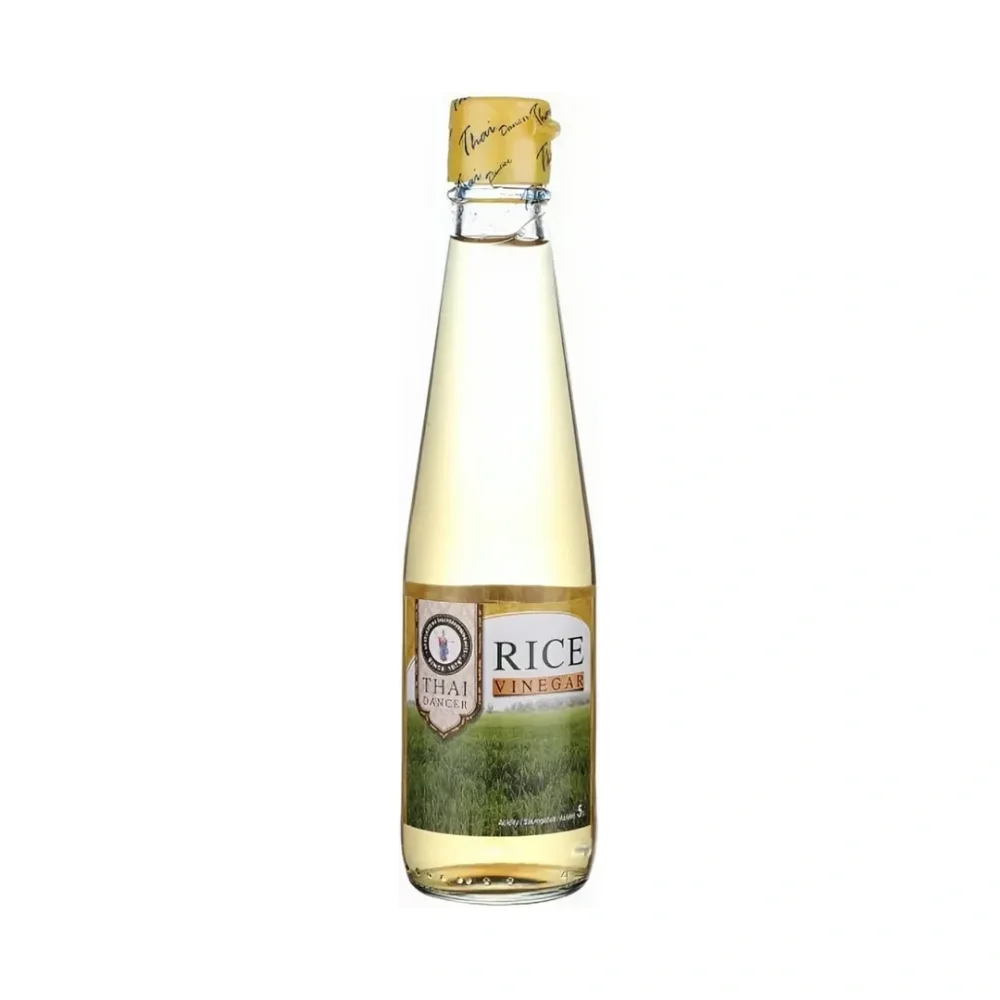
With this layer, you can repeatedly cook simple pan dishes, quick noodles, or a base for a rice bowl at home – without every recipe requiring you to buy a completely new set of ingredients.
2) Preferred cuisine: add targeted items according to what you really cook
The second layer should be deliberate: you add a few items that give your cuisine its typical character.
- Japanese direction: miso and panko often make sense.
- Korean direction: typically gochujang and doenjang.
- Southeast Asia: fish sauce, tamarind, and coconut milk often return. If you know you want to cook sweet and sour Thai styles or pad thai, for example tamarind sauce Thai style (Lobo)can be useful.
- Chinese home cooking styles: you often use dried/textured ingredients. For texture, for example, wood ear mushroom (Mountains)adds a flexible crunch without strong taste.
- Indian direction: it often makes sense to add legumes and other “building” ingredients. As a universal base, for example, mung beans (Golden Chef)work well with spices.
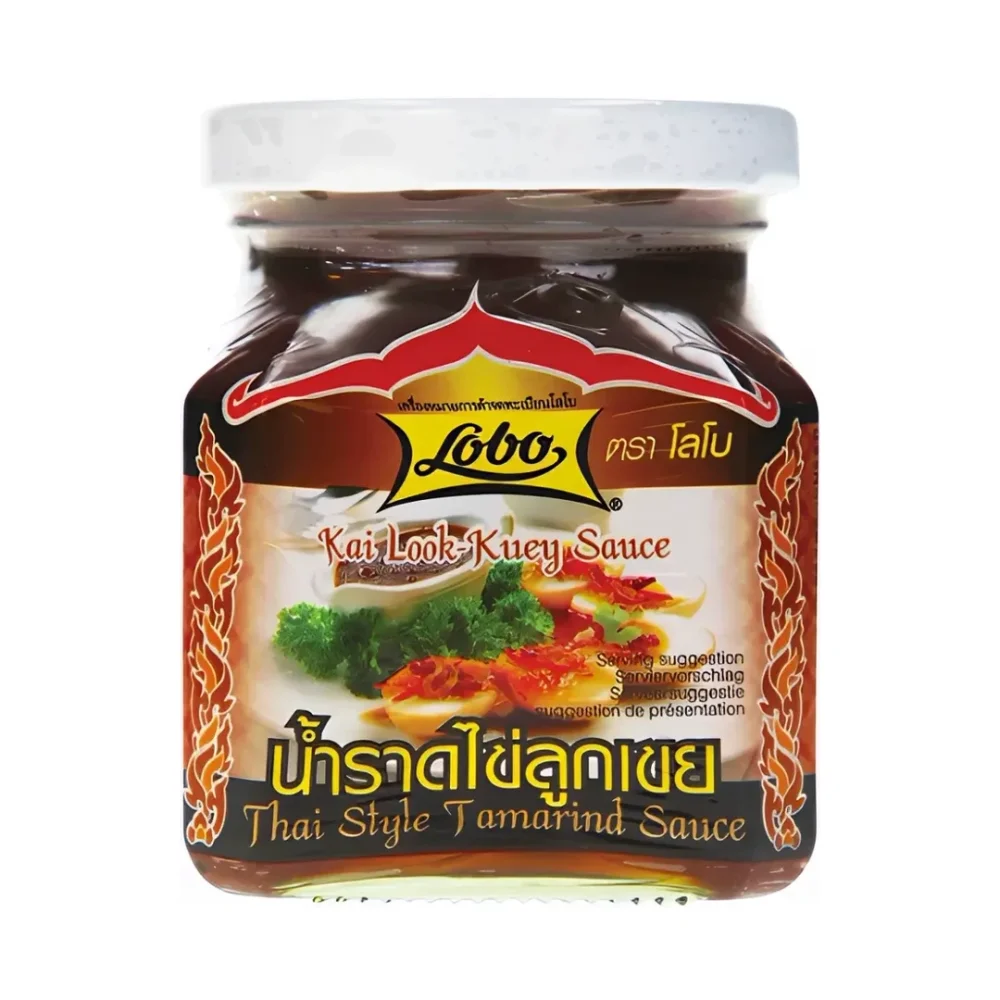
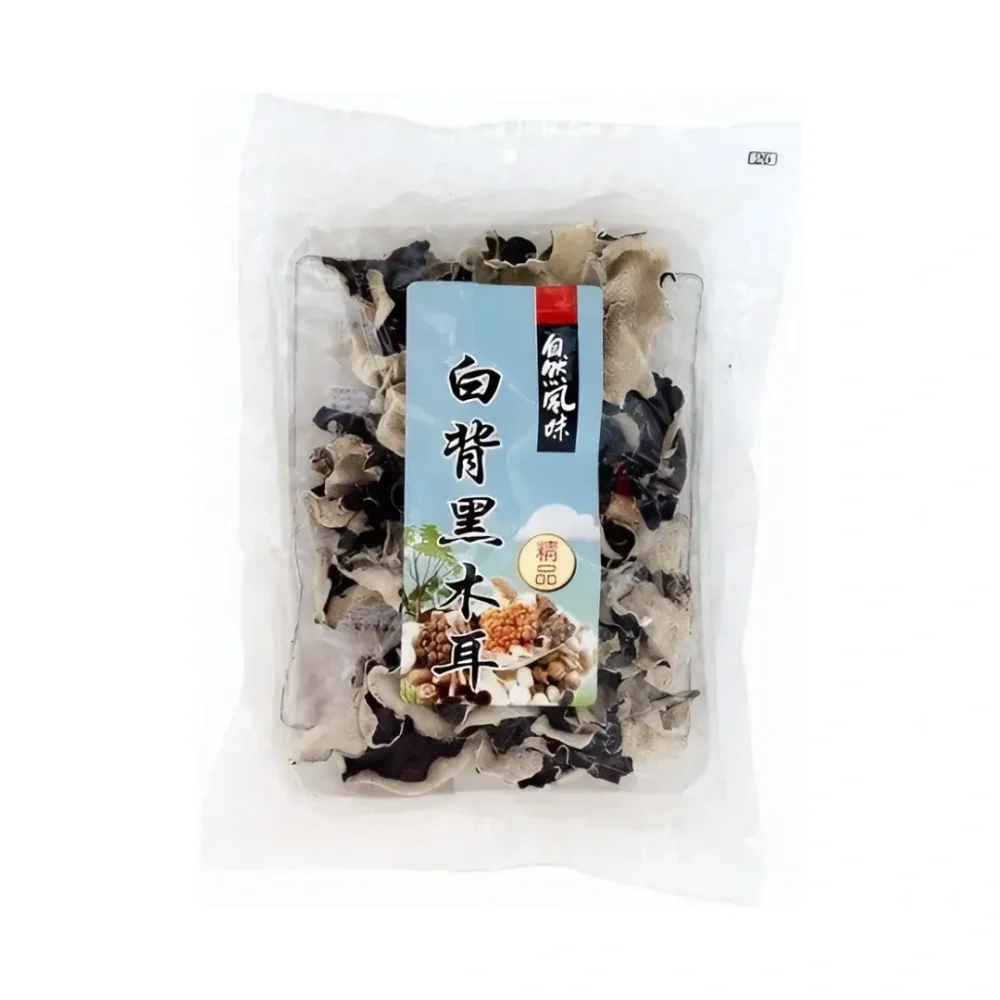
For the second layer, it’s useful to follow a simple rule: add only what you can realistically use multiple times in the coming weeks.
3) Textures and specialization: only when you know why you want them
The third layer consists of items that aren’t bad – they just often get bought too early and then stand unused at home. This includes specific sauces and pastes, specialized noodle types, regional chili oils, or pronounced fermented and sea seasonings.
Typical examples when a specialty makes sense:
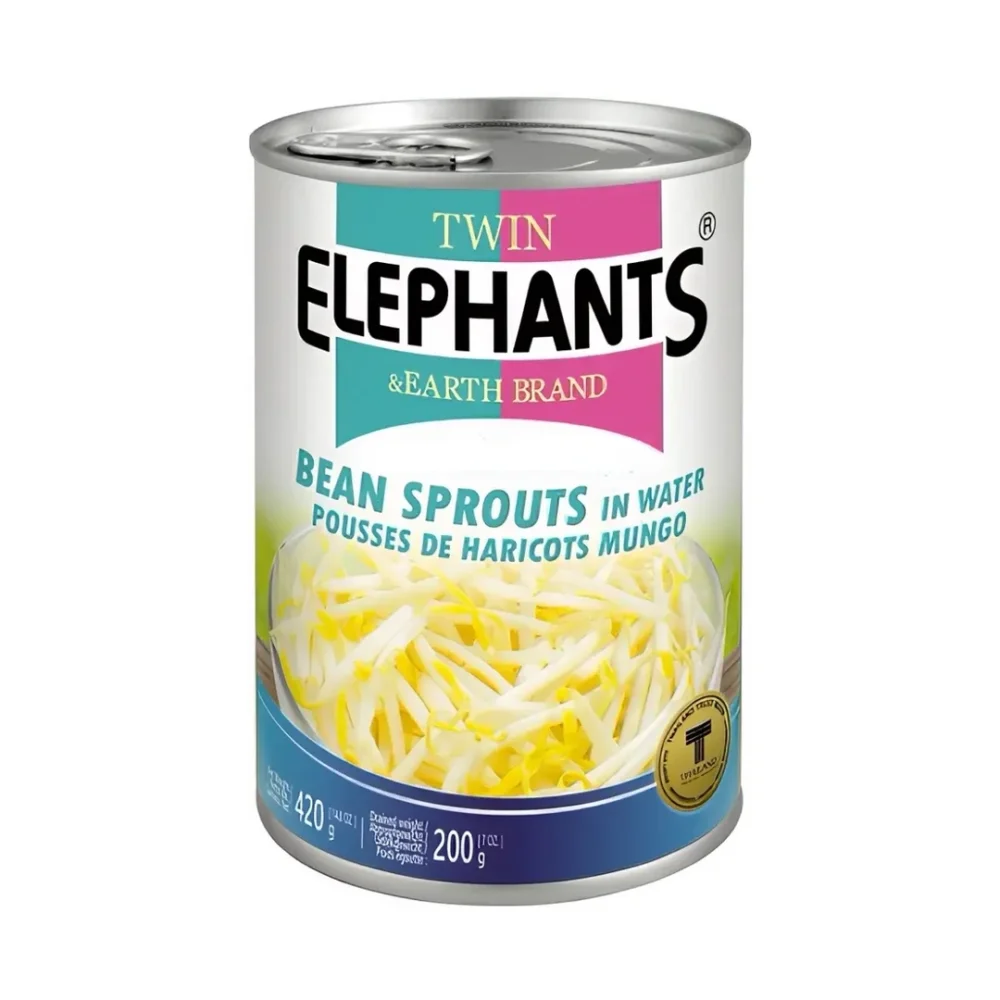
- You want to quickly add a vegetable component to noodles/soups/wok mixes: pickled mung bean sprouts (Twin Elephant Earth).
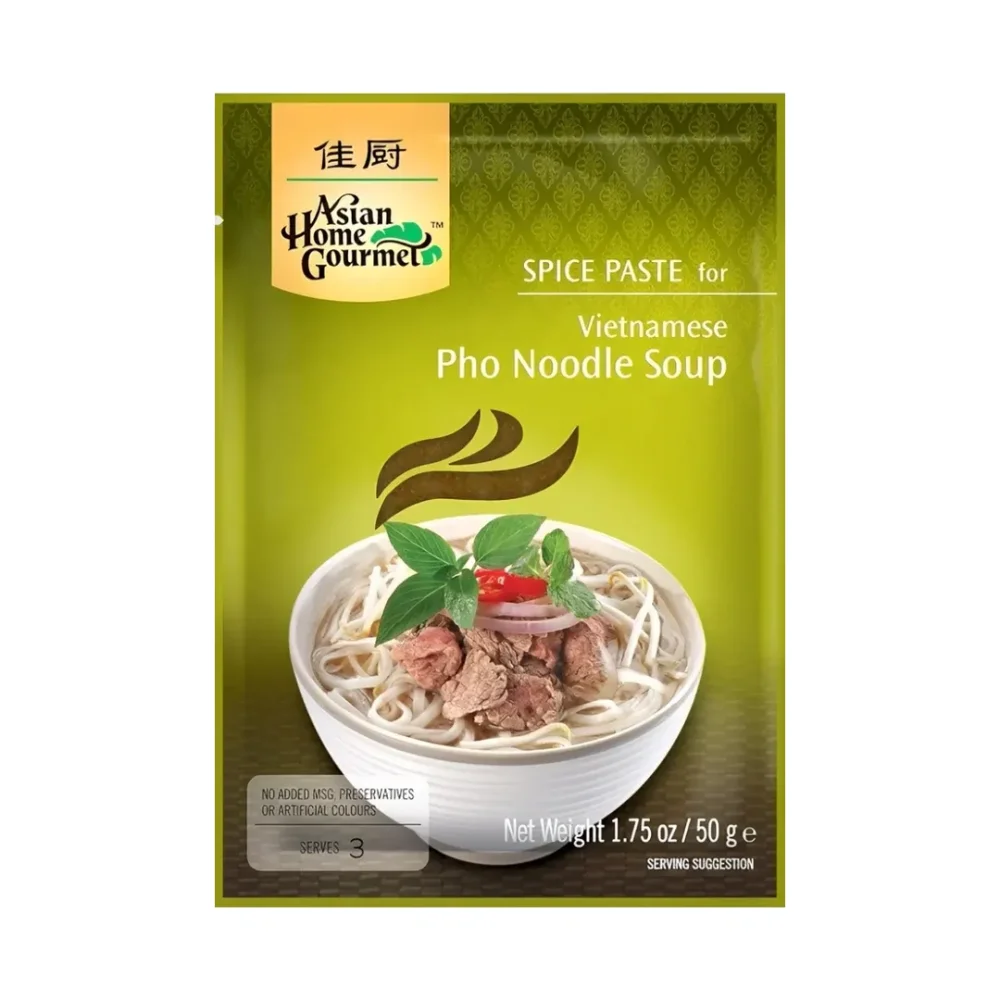
- You know you will cook pho and want to ease the start: pho soup paste (AHG) can quickly create the flavor base, which you then complement with broth, noodles, and other ingredients.
- You want a “sea” salty-umami depth for Southeast Asian styles and know you will use it repeatedly: shrimp paste (Maepranom) is an intense seasoning where usually only a small amount is needed.
- You plan to work with wrappers and rolls: rice paper is handy as a guide rice paper.
🍜 How to choose and use ingredients practically: label, product type and storage
Read the label: the “fine print” often decides more than the name
For Asian ingredients, the packaging is often visually strong, but the key is the composition. It helps to know that the ingredient list is given in descending order by weight. For the first purchase, it’s a quick filter:
- what is listed among the first ingredients,
- whether the product is built mainly on fermented ingredients or rather on water and seasonings,
- whether key components aren’t drowned out by sugar, starches, or additives,
- how allergens are labeled.
This is one of the fastest ways to avoid disappointment like “I expected a cooking base but bought something completely different.”
Base vs. seasoned product: the same word on the label doesn’t mean the same function
For many categories, it is crucial to recognize whether you are buying basic ingredient, or already a seasoned product. It’s not that one choice is right and the other wrong – it’s about expectation and use. For example, for acidity you can work with “pure” acidity (typically vinegar), while some sauces may already be balanced into a sweet and sour profile (then you use them differently and don’t dose them like vinegar).
Chili without confusion: three different worlds often mixed up
A practical trap when first shopping: “something red with chili” can be a completely different type of product. It’s useful to separate three worlds:
- pure spicy ingredients (when you mainly want heat),
- spicy and simultaneously fermented pastes (often more depth and complexity),
- sweeter/table chili sauces (more for quick seasoning).
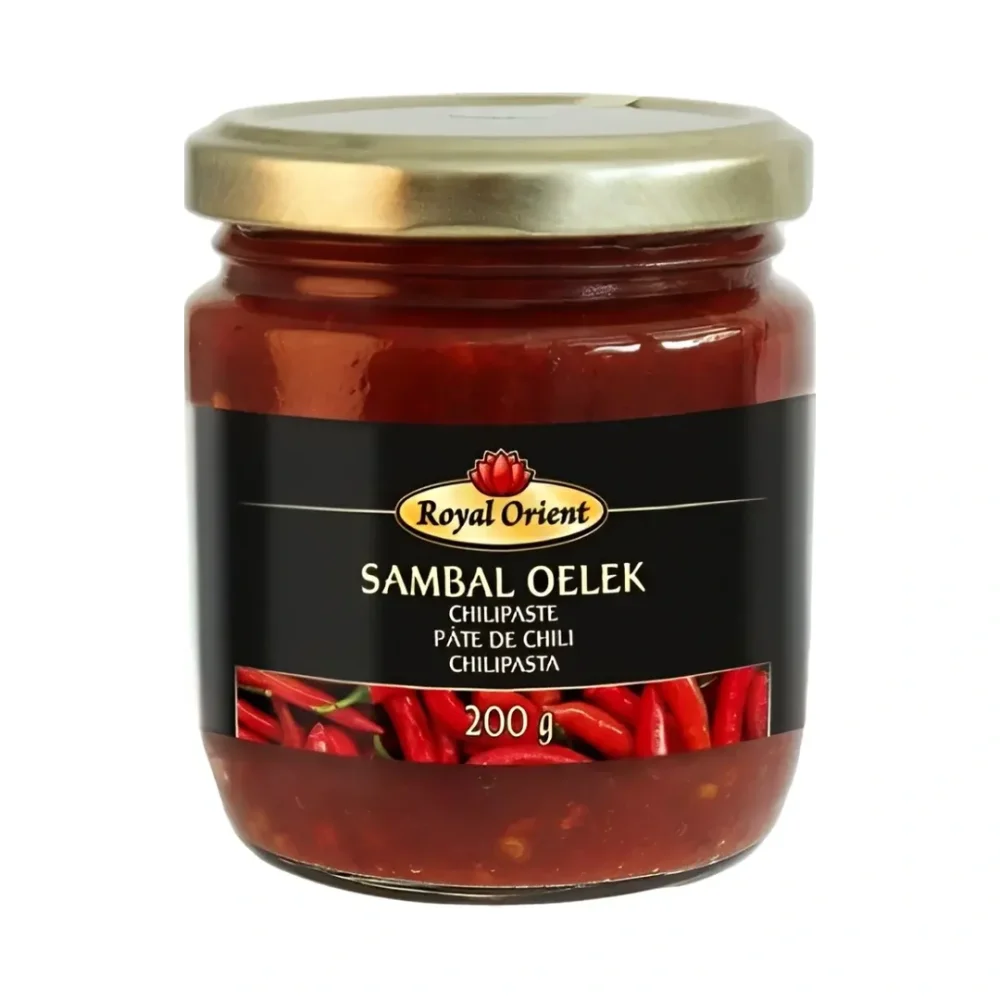
If you want at the start “pure heat” without unnecessary additives, a simple chili paste like Sambal Oelek (Royal Orient)makes sense. For spicy things in general, there is a safe rule for beginnings: add in really small amounts and adjust on the plate until you’re sure of the concentration.
What belongs in the pantry, the fridge, and why the freezer is underestimated
One of the most practical questions is: where exactly does the pantry end? In a typical household it divides into three zones. Each has a different goal: some protect mainly texture, others aroma and quality.
- Pantry (dry, darker, stable): typically unopened sauces and vinegars, rice, noodles, dried mushrooms, seaweed, flours and starches, sugars, spices, long-lasting coconut milk, canned and dried products. The biggest enemies are moisture, light, and long standing near the stove.
- Fridge (especially after opening): often more delicate and higher quality soy sauces, miso, fermented pastes, tofu, opened chili and curry pastes, pickled and fermented side dishes; sometimes also sesame oil if used slowly. The cold slows oxidation, loss of aroma and gradual deterioration of taste.
- Freezer: it is very underestimated. It is suitable for portions of aromatics (e.g. lemongrass, galangal, leaves) and for dividing pastes into smaller doses.
When storing, it’s useful to remember a simple principle: “safety,” “quality,” and “texture” are not the same. Some products may still be safe to eat, but have significantly lost aroma, freshness, or structure. And vice versa: some dry things may remain edible for a long time, but moisture takes away the most important thing – the final texture.
A short cultural note that helps in understanding pantry logic: a large part of Asian ingredients historically originated as answers to preservation needs (fermentation, drying, pickling, salting). Storage is therefore not a side topic – it’s part of the “DNA” of the whole cuisine.
How to recognize that something is too specialized for the first purchase
Some ingredients are not bad, just not suitable as your first purchase. Warning signs are:
- very narrow usage,
- need for good knowledge of dosing,
- very pronounced flavor without easy universality,
- large packaging for a product you hardly use at home,
- and most importantly: an unclear answer to the question "what do I actually want it for?"
Most common mistakes when making your first purchase (and how to quickly fix them)
- Starting with five cuisines at once: instead, choose one direction and build the second layer of the pantry deliberately.
- Buying too wide a pantry without a plan: stick to layering – first a universal base, then preferences, and finally specialties.
- Selecting by photo or "exotic impression": for ingredients, it helps to think about their function in the dish (acidity vs. sweet and sour sauce, pure spiciness vs. tabletop sauce, etc.).
- Mixing "authenticity", strength, and quality: a strong flavor does not necessarily mean the right choice for your use. Likewise, a "luxury" item does not always make sense as a universal ingredient for everything.
- Ignoring storage after opening: some products do not spoil immediately, but without cold and protection from light, they lose aroma and quality faster. The most common mistake with a first pantry is either "chilling everything without thinking," or conversely leaving opened items in warmth just because they are salty.
- Confusing "quick" with "simple": quick meals often require prepared ingredients and a work rhythm. If you want quick success, choose meals with fewer steps, accessible ingredients, and one key principle that you learn to repeat.
What to take away from the article
- An Asian pantry is not just a pile of random bottles. It is a functional base you can repeatedly cook with.
- Start with a universal layer (rice, noodles, acidity, chili, oils, starch, basic saltiness/umami), only then add according to the preferred cuisine.
- Read labels and watch whether you are buying a basic ingredient or already a seasoned product with a different role.
- Chili is not "one thing": distinguish pure spiciness, fermented pastes, and tabletop sauces.
- Storage is part of cooking: the pantry protects dryness and texture, the fridge helps maintain aroma and quality after opening, the freezer saves time and aromatic quality.
- The fastest way to a good start is to choose one direction and shop so that ingredients reappear in several dishes, not just one recipe.

Read next
If you want to explore this topic further, continue with these related blog guides and articles:
