


 Česky (CZK)
 Slovensky (EUR)
 Deutsch (EUR)
 Austria
 Belgium
 Bulgaria
 Croatia
 Denmark
 Estonia
 Finland
 France
 Germany
 Greece
 Hungary
 Italy
Italy Latvia
 Lithuania
 Luxembourg
 Netherlands
 Poland
 Portugal
 Romania
 Slovenia
 Spain
Spain Sweden










10 ingredients with which you can cook the most
A good "Asian pantry" is not about having dozens of sauces and pastes at home. It's about a few functional basics that repeat across many dishes: something for saltiness and umami, something for acidity and sweetness, something aromatic, something starchy and a few quick guarantees for texture. Here is a practical ten that will let you cook a surprisingly wide range of Asian dishes even from common fresh ingredients.
What does an "Asian pantry" actually mean (and why it’s not the same as a recipe)
In a European context people often imagine "pantry" mainly as shelf-stable supplies. In Asian cooking it's a broader concept: the foundation of home cooking made up of sauces, pastes, spices, rice, noodles, oils, vinegars, dried ingredients and sometimes part of the chilled condiments or frozen semi-prepared items.
The practical meaning is simple: when you have a well-built base, you don't need a "big shop" every time. Just add vegetables, meat, tofu, eggs or herbs – and you can quickly assemble dishes that have a clear character. At the same time one important thing applies: a pantry is not a shopping list for one specific recipe. A recipe may require ten ingredients, but the pantry tells you which of them are worth keeping repeatedly at home because they recur across many dishes.
Why these 10 ingredients work: the roles are more universal than a "single correct list"
There is no single universal "Asian cuisine" – Japanese home cooking has different basics than Vietnamese, Chinese or Korean. Still, similar functional roles repeat: a source of saltiness and umami, acidity, sweetness, heat, aromatic fat, a starchy base and an element for texture or depth.
That's why it makes sense to build a starter ten that covers those roles. You can then refine specific products depending on whether you're drawn more to Chinese-style stir-fry, to cleaner Japanese flavors, or to Korean fermented pastes, for example.
Pantry in 10 items: what exactly to buy and what you can cook with it at home
This is a functional foundation for a start. Don't take it as dogma – rather as a "toolkit" with which you can build lots of sauces, marinades and quick dishes.
1) Soy sauce (saltiness + umami)
Soy sauce is the quickest way to bring saltiness and umami into a dish. In practice you’ll use it in stir-fries, simple dressings and marinades.
- How to start at home: for a regular pan/wok try starting with 1–2 tablespoons for a portion for two people and adjust at the end.
- Best for: pan-fried vegetables, noodles, fried rice, quick "sauce" glazes.
2) Rice vinegar (acidity that "lifts" flavor)
Acidity in Asian cooking is often not just "sour." It should balance saltiness and sweetness and make the dish livelier. Rice vinegar is a great starting point because it can be used gently and controllably.
- Quick dressing template: 1 part vinegar + 1–2 parts soy sauce + a pinch of sugar.
- Best for: cold salads, cucumbers, quick pickles, balancing sauces.
3) Neutral oil (base for cooking)
Neutral oil is the "working" fat for sautéing, frying and stir-frying. It doesn't bring a dominant aroma – which is why it’s useful as a base to build other flavors on.
- How to start at home: for stir-fry count roughly 1–2 tablespoons per pan (depending on the amount of ingredients).
- Tip: aromatic oils (typically sesame) are better used at the end rather than as the main frying oil.
👃 4) Sesame oil (fat + aroma)
Sesame oil is aromatic. A small amount can significantly "finish" a dish, even if you cooked with ordinary vegetables and protein.
- How much to use: start with 1/2 to 1 teaspoon for a portion for two people – add after tasting.
- Best for: finishing noodles, rice, salads, simple sauces.
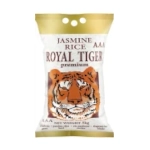
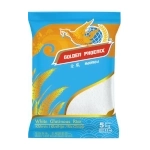
5) Rice (starchy base that behaves by type)
Rice is not one universal commodity. For Asian cooking it's important to distinguish at least between long aromatic rice, short-grain stickier rice and sticky rice for specific dishes. It's not about "better or worse," but about how the rice behaves after cooking and how it holds structure.
- Practical rule: don't try to replace all rice types with one – in some dishes it will work, in others the typical result will disappear.
- Where to go next when you want to choose more precisely: hub Rice and rice products and for specific dishes also Sticky rice.
6) Noodles – type 1 (for example rice noodles)
One type of noodle is useful for quick saucy dishes, soups or stir-fries. Rice noodles are a good starter choice because they have a clean base and cook quickly – they mainly carry the flavor of the sauce.
- Practical handling: prepare them so they stay firm – it's often better to "finish" them in the sauce than to cook them completely soft in advance.
7) Noodles – type 2 (for example wheat/egg noodles)
A second noodle type complements the first: different texture, different ability to hold sauce, different use in soups or stir-fried dishes. It's not about "rightness," but that two distinct textures dramatically broaden your repertoire.
- Quick template: noodles + soy sauce + rice vinegar + a pinch of sugar + a few drops of sesame oil. Base ready, then add protein and vegetables.
8) Chilli seasoning (heat, but also character)
Heat is not a mandatory "power," but a tool. Even a small amount of chili (oil, flakes, paste depending on your style) can bring energy to a dish and highlight aromas. It's important to know how to dose it.
- How to start: add by pinches and taste so you don't overpower the other flavors.
9) Sugar (sweetness for balance, not for "sweet sauce")
Sweetness in many Asian dishes works as a counterpoint to saltiness, acidity and heat. Often very little is enough – the aim is rarely a "sweet dish" but a rounder flavor.
- How much to use: for a quick sauce start with 1/2–1 teaspoon for a dish for two people and adjust according to acidity and saltiness.
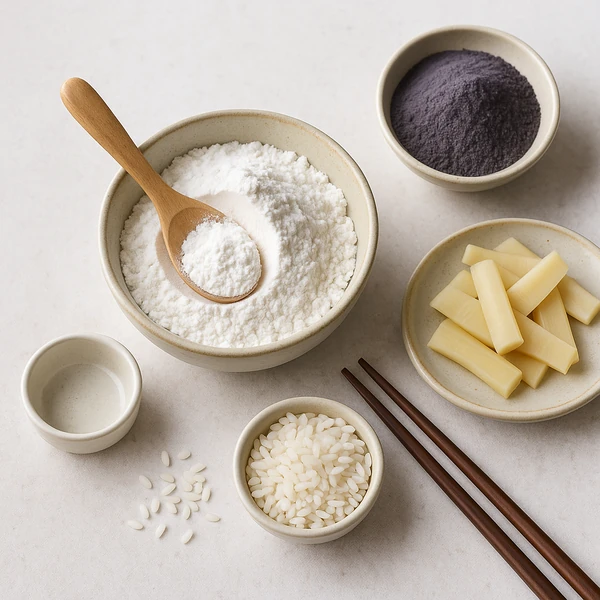
10) Starch (thickening + shine + texture)
Starch is one of the most practical shortcuts: it thickens sauces, helps create a smooth "coating" on ingredients and can add a slight glossy texture. It's typically added at the end.
- How to avoid lumps: first dissolve the starch in a small portion of cold water and only then pour into the hot sauce.
- Starter dosage: roughly 1 teaspoon of starch to 2–3 tablespoons of water for a small amount of sauce; add gradually.
- Practical example: tapioca starch is flavor-neutral and works for quick thickening of sauces and soups.
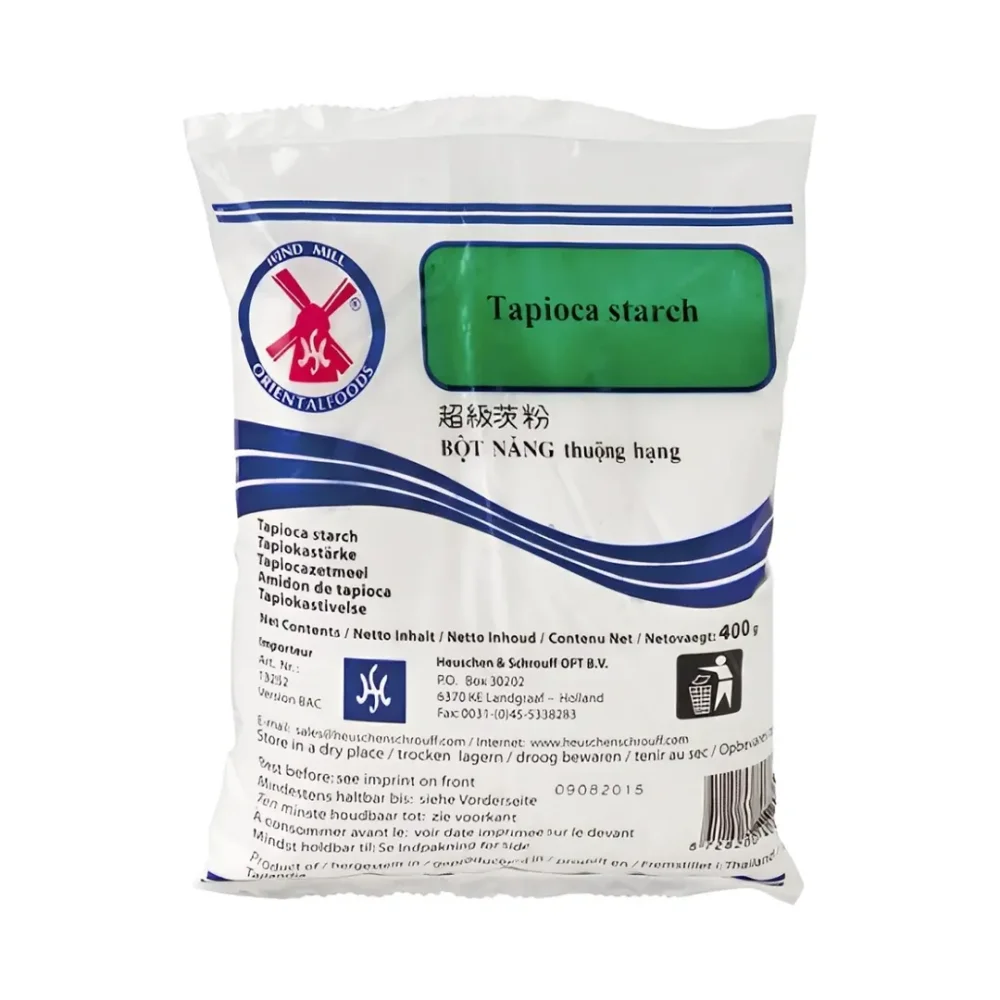
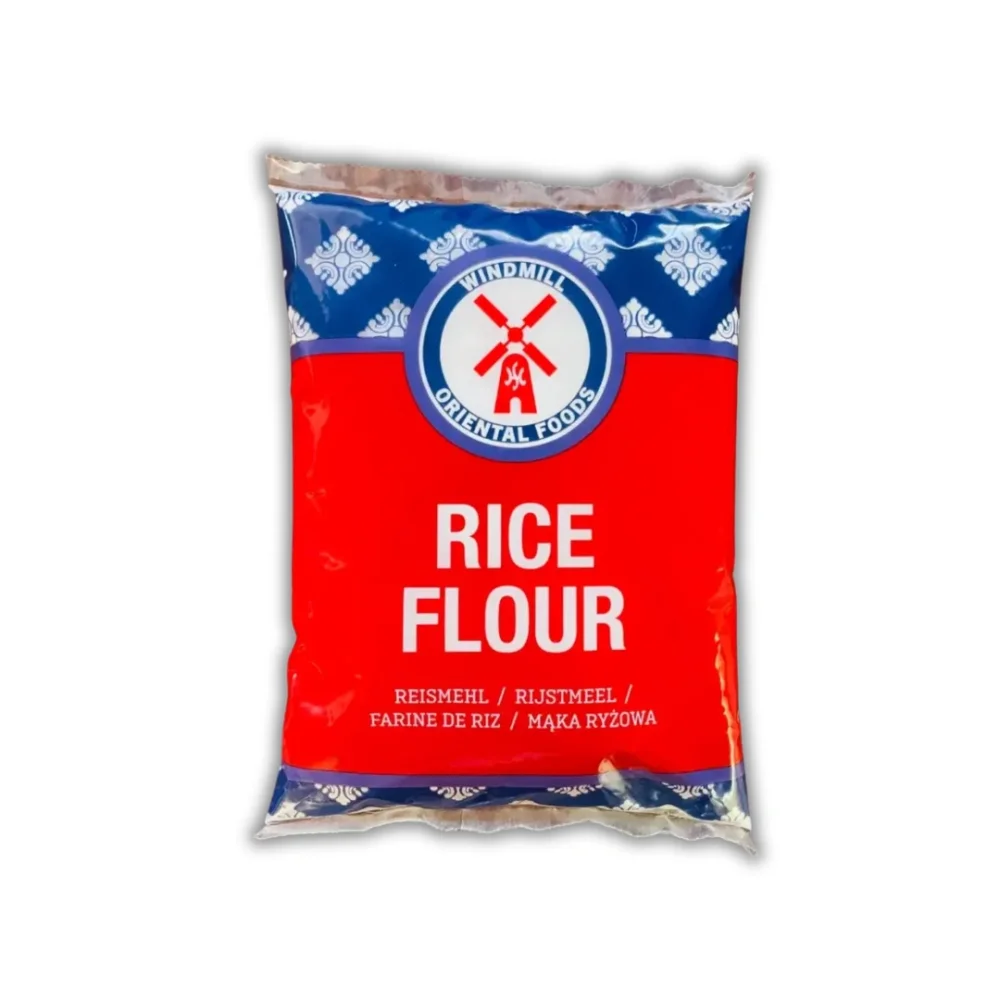
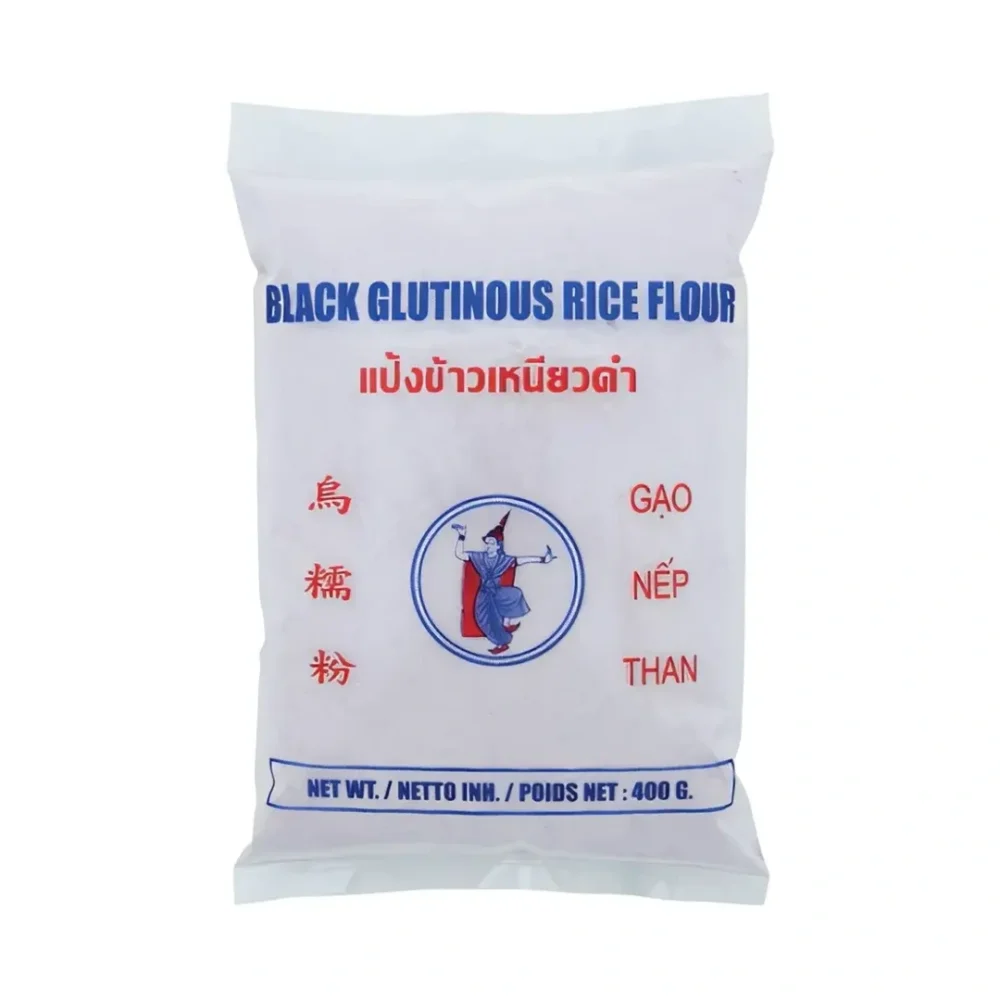
Don't confuse starch and flour. Rice flour behaves differently than pure starch: it's suitable for batters or other types of thickening. If you want to experiment, you can start for example with rice flour, but treat it as a different tool than starch. There are also very specific variants – for example black sticky rice flour can affect the color and texture of dough, so it's good to know what you want to use it for.
How to compose dishes from the ten: three "templates" that save you thinking
The following templates are not recipes, but quick guides on how to build flavor from the ten items. Always take them as a start and adjust according to the ingredients in the pan.
- Quick stir-fry sauce: soy sauce (salt) + a pinch of sugar (rounding) + a little rice vinegar (brightness). If you want a more saucy result, finish with starch water.
- Cold seasoning (salad, cucumbers, tofu): rice vinegar + soy sauce + a few drops of sesame oil + chilli to taste.
- Glaze for finished ingredients: soy sauce + sugar + minimal water; briefly cook and optionally slightly thicken with starch so the sauce clings to the surface.
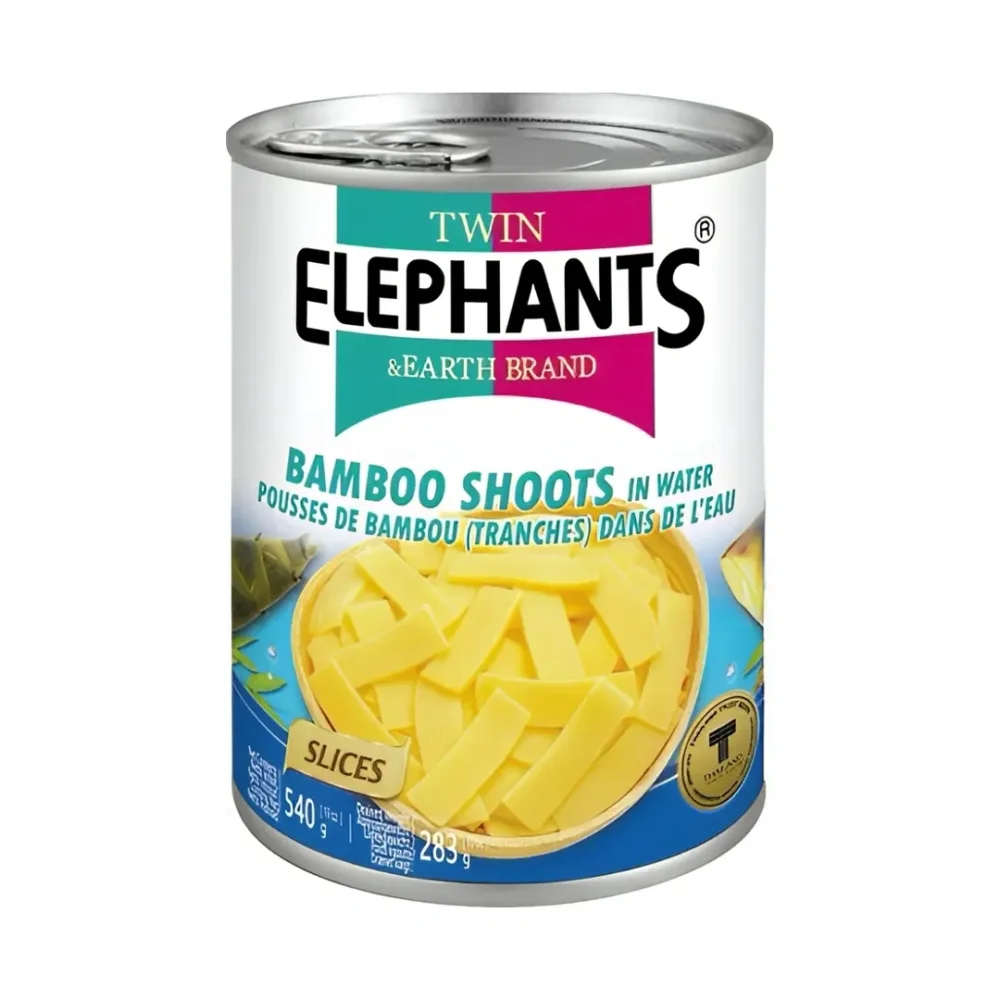
Missing vegetables but still want to cook "pantry style"? That's exactly what shelf-stable and canned ingredients are for—they heat quickly and add texture. A typical example is bamboo shoots – suitable for wok dishes, soups and with rice.
When it makes sense to add items 11–20 (so it’s not "too many things, too little cooking")
Once the ten start to feel tight, it's often not sensible to buy another random sauce "because of the name." A practical next step is to add further precise pillars of flavor: a second style of soy sauce, fish sauce, oyster sauce, miso, coconut milk, panko, dried shiitake, seaweed, tamarind or one additional regional paste.
The point of this "second wave" is to cook more precisely. For example fish sauce is not just salt – it brings a specific fermented depth that's hard to fully replace. For similar ingredients it's fair to expect that substitutes often only replace part of the function, not the full flavor profile.
🍜 How to choose and store so ingredients don't lose aroma and power
For Asian ingredients the simple division into "still good" and "already bad" often doesn't apply. Common practice is rather three-stage: an ingredient can still be safe to eat but have already lost some aroma, freshness or texture – and only then can it be truly spoiled. So if your dishes "suddenly don't taste like before," the problem may well be storage, not your skills.
The four biggest enemies are heat, light, air and moisture.
- Heat accelerates aging and loss of aroma (typically in aromatic oils and pastes).
- Light harms mainly oils and sauces sensitive to aroma and color.
- Air gradually changes flavor – with sauces, oils and spices you often "don't notice the problem right away," but performance drops.
- Moisture ruins texture: dried things stick together, soften or mold (noodles, rice, starches, breadcrumbs).
A historical note that helps understand the logic of the cuisine: a large part of Asian ingredients were created as a response to preservation needs (fermentation, drying, pickling, salting). Storage is not a side "technicality" here but part of the cuisine's identity – and it's worth giving it the same attention as cooking itself.
Common mistakes and misconceptions (and how to quickly fix them)
- You buy "something similar" instead of what you need. With substitutes don't follow the name but the function in the dish. Some ingredients you can only partially replace – typically where they are the backbone of flavor (e.g. pronounced fermented sauces).
- You confuse a base with a flavored product. Many ingredients exist as a pure "building block" and as an already sweetened/thickened mix. Flavored versions can be practical, but they can easily disrupt your control over taste if you take them as a universal base.
- You use sesame oil incorrectly. It's aromatic – if you use it as the main frying oil it often overpowers the rest. It's better used for finishing.
- You try to handle everything with one type of rice. Rice behaves according to grain type and stickiness. When you fail at fried rice or conversely at sticky "bowl" rice, it's often the rice choice, not the technique.
- You sprinkle starch straight into the sauce. Result: lumps. Always mix it first in cold water and add gradually.
- You leave "dry" things to catch moisture. Noodles, rice and starches need to be dry – otherwise texture spoils and so does usability.
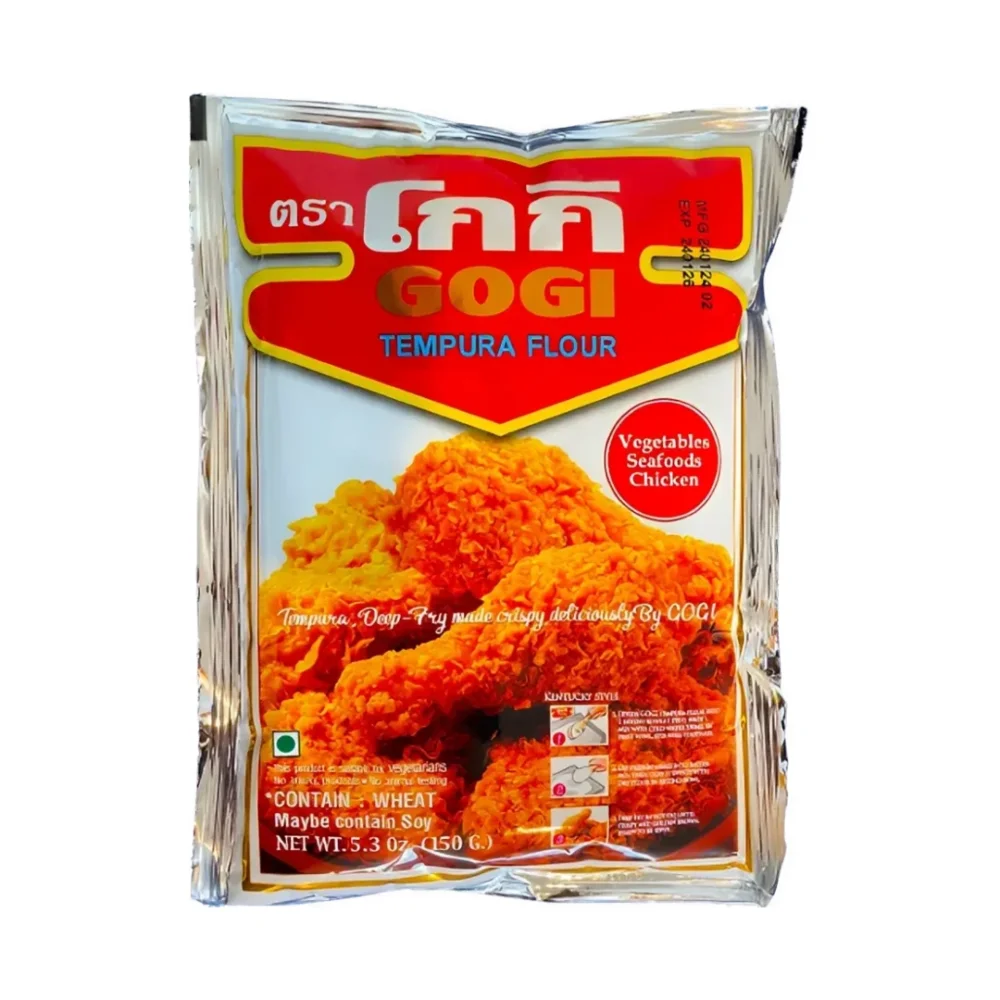
If you want to go one step more practical when working with flours and starches (batter, coating, crispiness), it helps to have a specialized mix on hand. For example tempura mix is an example of a "flavored product": it's very practical for a specific result (light crispy batter), but it doesn't replace universal starch for thickening sauces.
What to take away from the article
- Asian pantry is not a list of exotic bottles, but a functional foundation that lets you cook quickly even without complicated planning.
- Ten starter ingredients should cover roles: saltiness/umami, acidity, sweetness, spiciness, aromatic fat, starchy base and working with texture.
- The biggest shift in taste usually gets the seasoning right (mainly sesame oil, sugar, chili) and works with starch without lumps.
- Storage determines quality before it comes to safety: heat, light, air and moisture are the main enemies.
- Further expansion do it according to what you want to cook (e.g. add fish sauce, oyster sauce, miso, tamarind…), not “randomly by name”.

Read next
If you want to explore this topic further, continue with these related blog guides and articles:
