


 Česky (CZK)
 Slovensky (EUR)
 Deutsch (EUR)
 Austria
 Belgium
 Bulgaria
 Croatia
 Denmark
 Estonia
 Finland
 France
 Germany
 Greece
 Hungary
 Italy
Italy Latvia
 Lithuania
 Luxembourg
 Netherlands
 Poland
 Portugal
 Romania
 Slovenia
 Spain
Spain Sweden










Basic Asian pantry for home cooking: what you really need to start
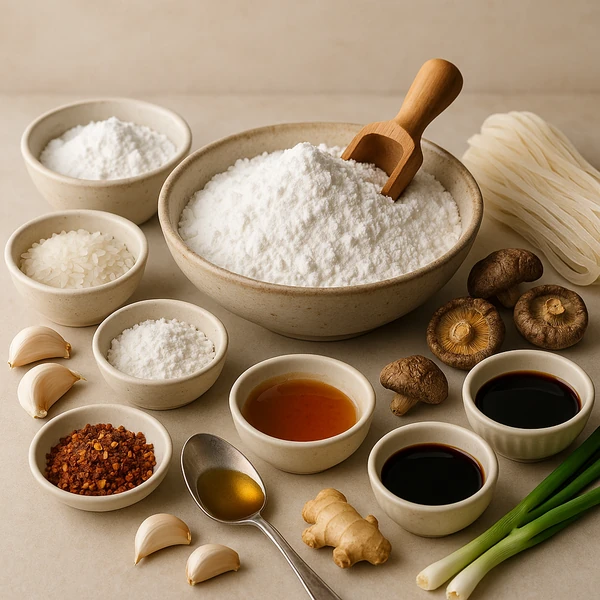
An Asian pantry is not an "exotic list" that you have to buy all at once. It is a thoughtful basic set of ingredients that allows you to repeatedly cook dishes with a clear flavor at home – even when your refrigerator is not full of fresh items. The key is not to think by countries, but by function: to have something for saltiness and umami, something for acidity, something for sweetness, something for spiciness, something for aroma and fat, and a reliable starchy base.
1) What does "Asian pantry" actually mean (and why it is not the same as a recipe)
In a European context, under the word pantry we often imagine mainly durable stocks in the pantry. But in Asian home cooking, "pantry" works more broadly: it is the whole basis that allows you to cook even on days when you don’t have a big purchase of fresh ingredients.
An Asian pantry typically includes:
- durable sauces and pastes (fermented, soy, chili, bean, etc.),
- spices and aromatic components,
- rice, noodles, flours, and starches as the "carriers" of the food,
- oils and vinegars,
- dried mushrooms and sea ingredients (e.g., seaweed) for depth,
- sometimes even frozen semi-finished products and part of refrigerated flavorings.
Important difference: the pantry is not a list of ingredients for one recipe. A recipe may want ten things, but the pantry addresses which of them are worth having repeatedly at home because they recur across many dishes. When the base is well built, it is often enough to add vegetables, meat, tofu, eggs, or herbs – and the dish immediately has an "Asian" character.
Practically, this means that besides the pantry shelf, it makes sense to consider "pantry in the fridge" and "pantry in the freezer": some flavor bases are stable, but after opening they keep a better aroma and cleanliness of taste in the cold and away from light.
2) One universal Asian pantry does not exist: choose your entry door
Under the label "Asian cuisine" very different traditions meet – Japanese, Chinese, Korean, Vietnamese, Thai, Filipino, Indian, and others. Therefore, for a start, it is more useful not to chase a "universal list of Asia," but to understand the common roles of ingredients that recur in various cuisines.
Across cuisines, these groups typically return:
- source of saltiness and umami,
- starchy base (rice, noodles…)
- acidic seasoning,
- aromatic fat,
- spicy component,
- sweetening component,
- ingredient for texture and depth (e.g. dried mushrooms, seaweed),
- quick table seasoning for final adjustment.
To avoid overwhelming you at the start, it makes sense to pick one "main" cuisine (or style) as your entry and one or two supplementary ones. Then build a small base, repeat a few dishes – and only then expand the pantry. Your initial set will differ if you are drawn to cleaner and clearer tastes, quick stir-fry and wok dishes, freshness with herbs and acidity, or instead, spices, stewing, and heartier dishes.
3) How to think about pantry functionally: what each item is supposed to "do"
The best home pantry is not composed by countries, but by functions. Once you understand these functions, it'll be easier to choose the right ingredients and avoid having a random mixture of bottles at home that don’t "play" together.
Saltiness and umami: the backbone of flavor
This mainly includes soy sauces, fish sauce, miso, Korean ganjang or doenjang, oyster sauce, and various fermented pastes (e.g. doubanjiang). For depth, dried mushrooms, seaweed, and bases like dashi are often used.
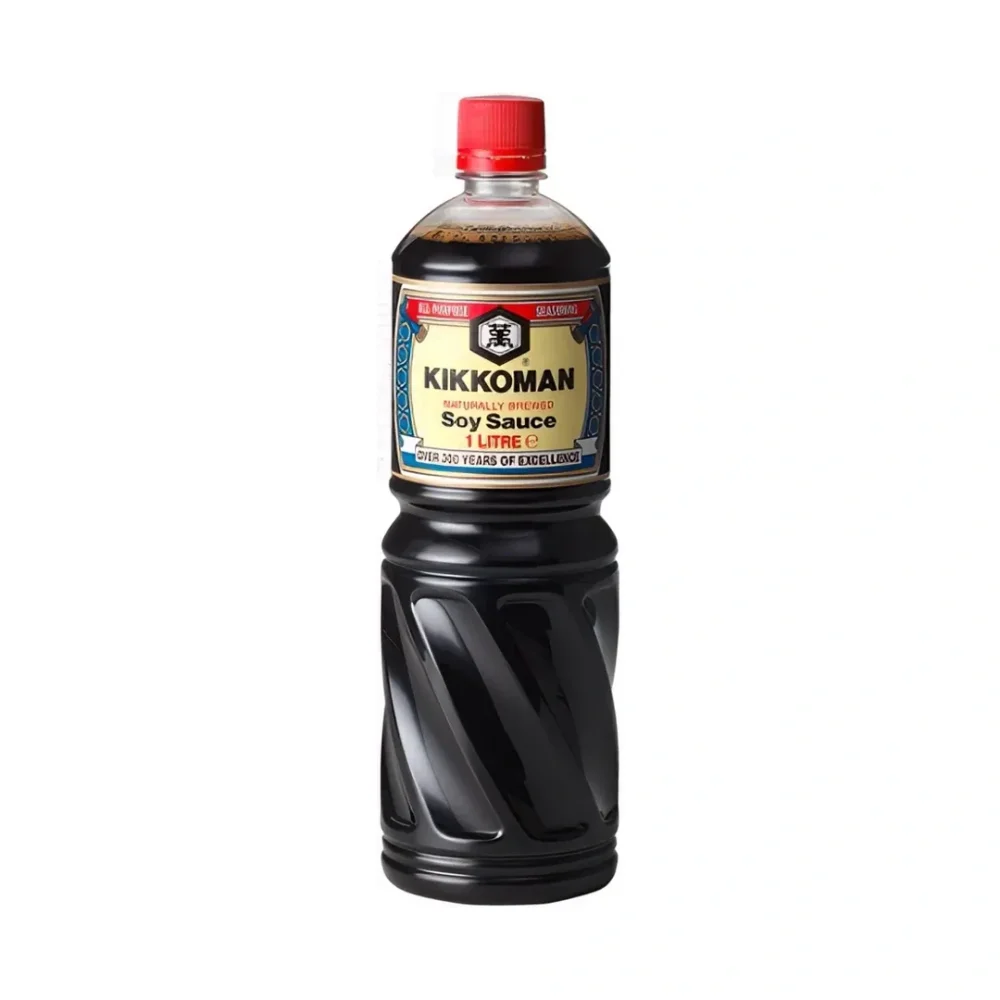
This group is the "engine" of the entire pantry: it gives the dish saltiness, depth, and the impression that the flavor is already "cooked" and connected. If you want one universal starting point, a typical base is soy sauce – for example, Kikkoman soy sauce (shoyu).
Important note on selection: even though all these things "look salty," they are not interchangeable. Soy sauce, miso, and fish sauce create different types of umami and different characters in dishes. Therefore, it makes more sense to add them gradually according to what you are really cooking.
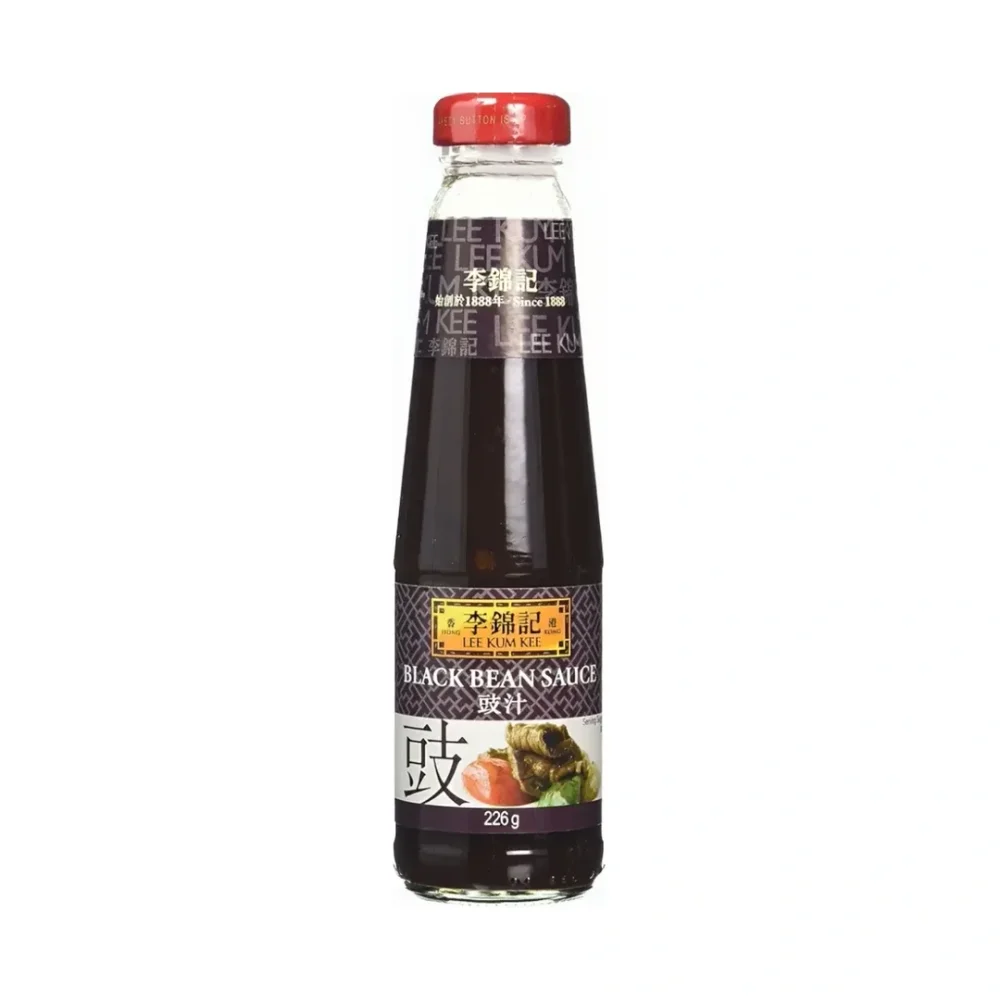
An example of a distinctly fermented umami component (which you tend to use in small amounts) is Lee Kum Kee black bean sauce – usually a small amount is enough to shift the flavor into a more "cooked" and deeper place.
Acidity: lightness, contrast, "opening" flavor
Acidity in Asian cooking is often as important as salt. It helps balance sweet-salty and fattier flavors, gives the dish contrast and the ability to feel fresh even with simple ingredients.
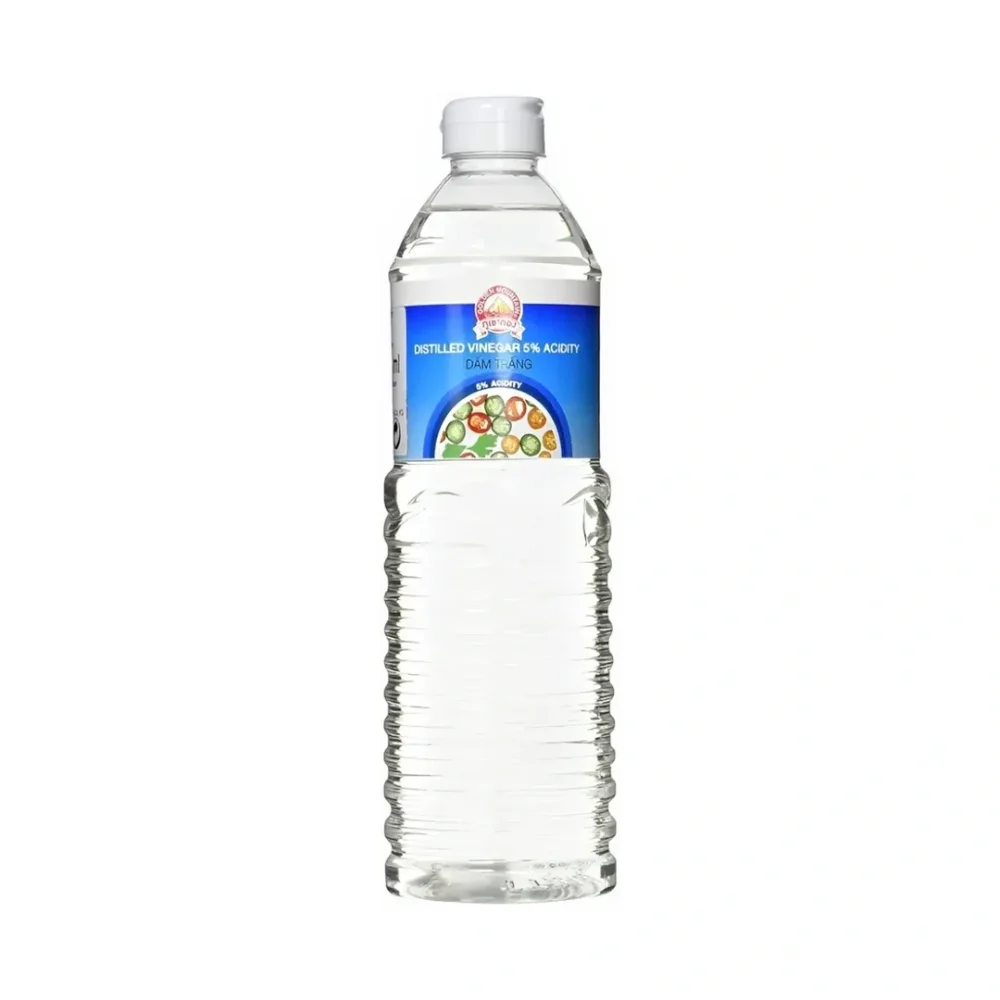
This group includes rice vinegar, black Chinese vinegar, light vinegars for salads and quick pickling, tamarind, lime or lemon juice, and sometimes fermented sour components. If you want "pure acidity" for marinades and dressings, you can reach for, for example, Golden Mountain distilled vinegar.
Practical advice: when a home stir-fry, noodles, or "mix" dish tastes heavy, it’s often not just about salt – very often the acidic balance is missing. Add acidity preferably in small doses and taste as you go.
Sweetness: not just for desserts
Sweetness in Asian cuisine often does not serve to make the dish "sweet," but to soften the edges of saltiness, spiciness, and acidity and help unify the flavor. The basic principle to understand: the sweetening component is a function that different ingredients fulfill in various cuisines.
Spiciness: a separate intensity control
The spicy component is useful because it can be dosed independently of salt and acidity. In practice, it’s good to have one reliable spicy thing you know and can handle (and gradually expand it with chili pastes and other styles of heat). Beginner advantage: you can keep the spiciness low and focus first on saltiness/umami and acidity.
👃 Fat and aroma: aromatic carrier
Aromatic oils and fats give the dish "body" and aroma. They also belong among ingredients whose storage is crucial: they often remain safe for a long time, but their best aroma can fade significantly earlier – especially at heat and light.
Starchy base: rice, noodles, flour, and starches
The starchy base often decides whether you will cook Asian style often. When you have rice or noodles at home, you can quickly build a dish even with minimal fresh ingredients.
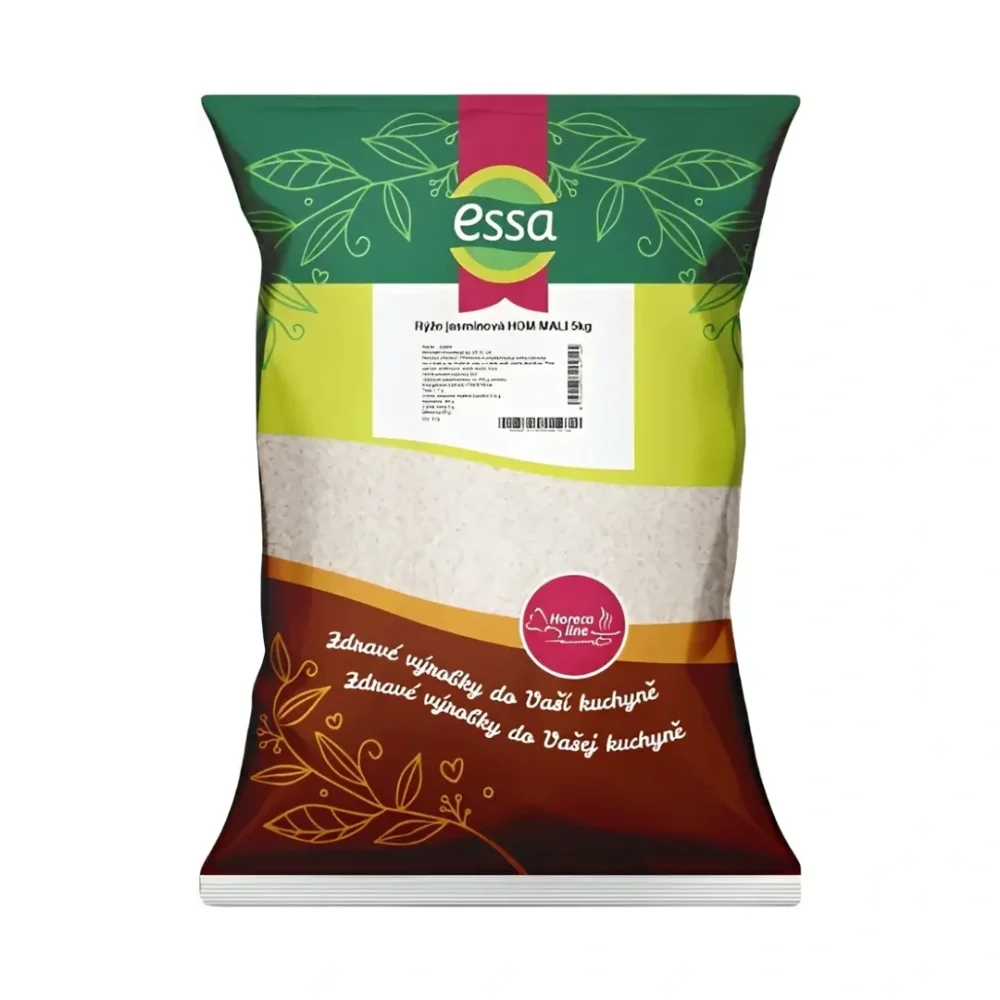
As a universal side and base for many styles, for example, ESSA Jasmine rice Hom Malican work. For an overview of rice and other rice products, it's useful to have a guide rice and rice productsat hand. And if you are interested in a specific texture, there is a separate category sticky rice – it’s a different style of rice and used for a different result than classic side rice.
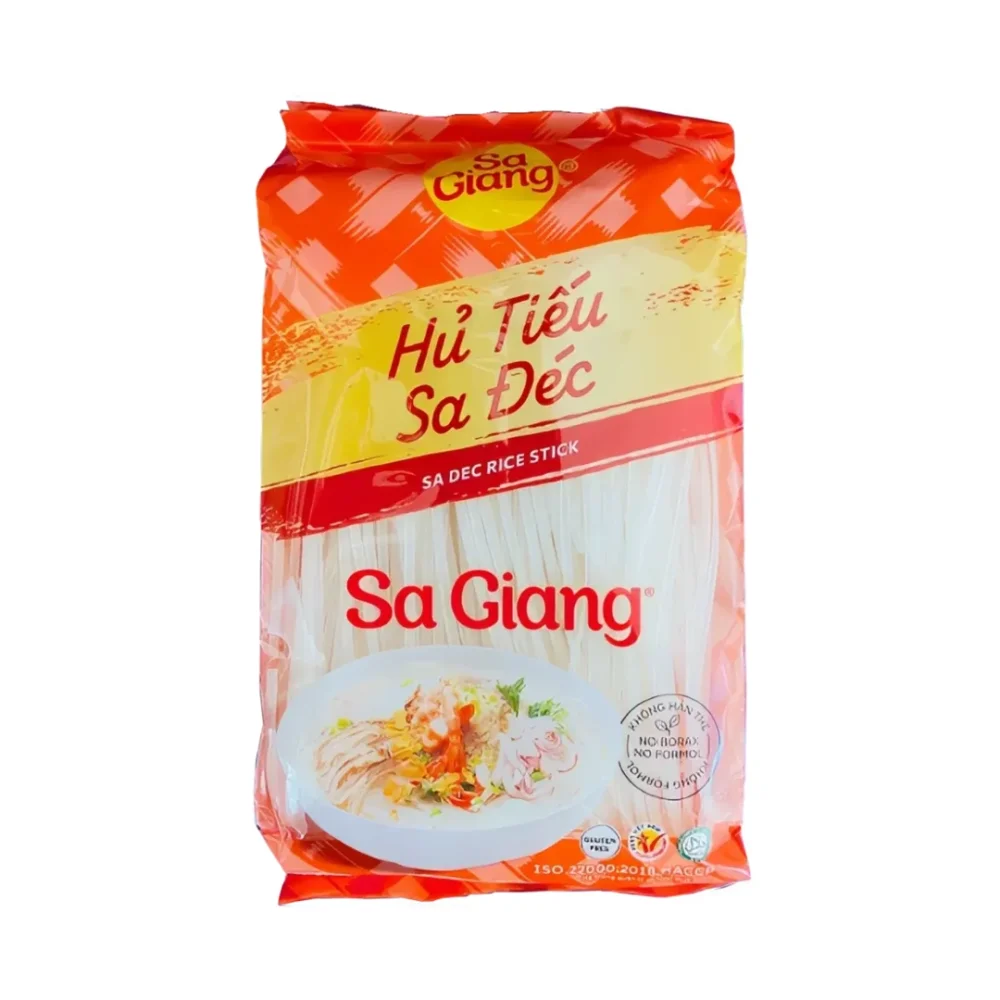
With noodles, it’s practical to have one "reliable" variety you learn to work with. An example might be Sagiang tapioca rice noodles, suitable both for pan frying and soups.
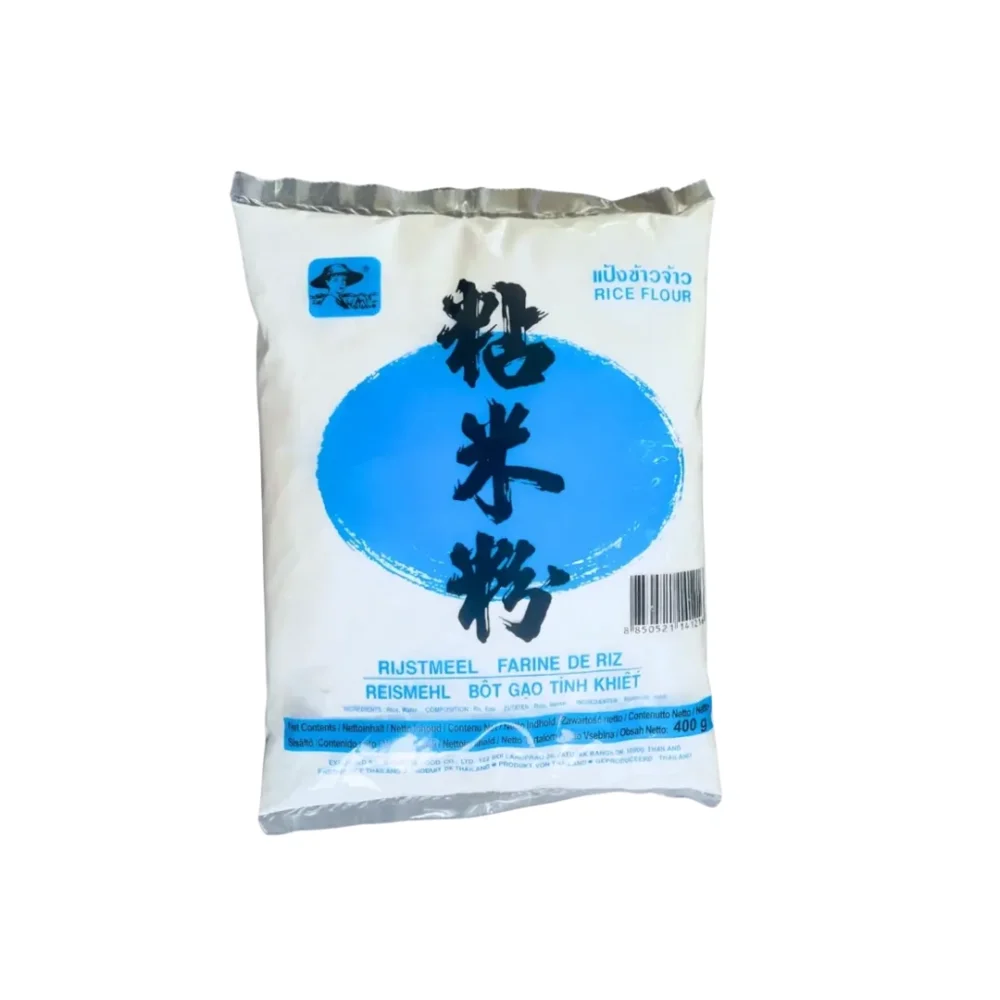
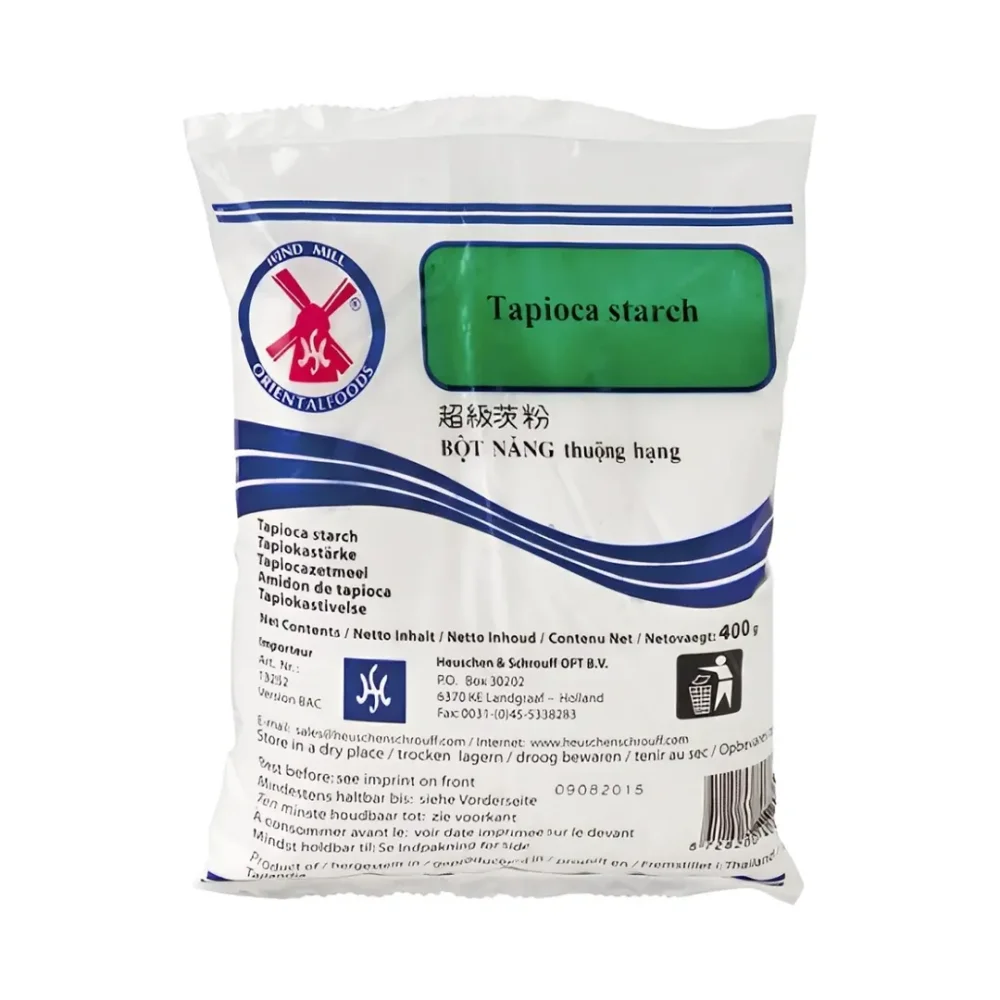
A functional pantry also includes flours and starches: not only for baking, but mainly for thickening, breading, and structure building. Rice flour (for example, Farmer Brand rice flour) is a neutral base for various doughs and preparations, while starch is suitable for quick thickening and a specific "shine" of sauces – typically Windmill tapioca starch. For broader orientation in this part of the pantry, the category flour and flour productscan be helpful.
4) Practical onboarding: first purchase, first weeks of cooking, and how to expand the pantry
The quickest way to a functional pantry is not to buy "everything," but to build a small system that will be repeatedly used. Here is a practical procedure that respects functional logic and won’t let you drown in details.
Step 1: Choose the style you want to cook (not by exoticism, but by reality)
Choosing the first cuisine (or style) is good to base on simple questions:
- What flavors do you already like?
- How much time do you want to devote to cooking?
- Do you want quick pan and wok dishes, or rather stewing and "saucy" dishes?
- Do fresh herbs and aromatics suit you, or do you prefer a simpler, stable base?
For example, "quick pan and wok dishes" are a practical entry for people who want a high ratio of performance/time – but require discipline in preparation (mise en place, step order, temperature control). On the other hand, some home styles based on vinegar, garlic, soy, and stewing can be technically less stressful, but rely on good acidity balance.
Step 2: Build a minimum "one thing for one function"
For the first weeks, it is often enough to have:
- 1 salty/umami base (typically soy sauce),
- 1 acidic element (vinegar or citrus),
- 1 starchy base (rice or noodles),
- 1 thickener/texture (starch or flour),
- optionally 1 spicy component and 1 aromatic fat.
The idea is simple: when you have these roles covered at home, you can make a large number of dishes from common fresh items (vegetables, meat, tofu, eggs). For fresh basics, it’s good to have a stable source of vegetables and mushrooms – inspiration can also be found in the category vegetables and mushrooms.
Choose 3–5 dishes to repeat. Repetition is more important than expansion at the beginning: only when you know what you cook often does it make sense to add other specialized sauces and pastes.
Step 3: Learn to "dose" and taste (without stress)
A simple rule applies for flavorings: you can always add, almost never subtract. For home practice, the safest approach is usually:
- add salty/umami bases in small amounts and taste continuously,
- use acidity as the final balance (often a “small splash” is enough),
- use fermented sauces and pastes more as a concentrated seasoning – a small amount makes a big difference.
Also learn to distinguish what is meant for cooking and what is better as table seasoning at the end. Mixing up these roles is a common reason why the food either tastes "overdone" or too flat.
Step 4: Pantry is not just a cupboard – storage is part of cooking
Storage is not just a technical note. In fact, it determines whether the ingredient retains its aroma, pure taste, texture, and usability. For many Asian products, the simple “still good / already bad” does not apply: there is often an intermediate state when the item is still safe but has already lost some of its best character.
What works in home practice:
- separate dry bases, opened liquid sauces, opened pastes, oils and aromatic fats and quickly perishable refrigerated items,
- for more sensitive items, prefer smaller packages over "huge stocks without a plan",
- mark the opening date, keep jar rims clean,
- scoop pastes with a dry and clean spoon (wetness and impurities unnecessarily degrade quality),
- keep dried items in well-sealing containers (moisture takes away texture).
Cooked rice deserves special attention: it looks innocent but is an ingredient where discipline pays off in terms of safety.
A short curiosity: why there are so many fermented and dried items in Asian cuisine
A large portion of Asian ingredients originated as a response to preservation needs: fermentation, drying, pickling, salting, or pressing are not only technologies but historical ways to carry flavor and nutrition through seasons, climate, and distance. That is why fermented sauces, pastes, and dried seafood products form such a strong part of what we today call "pantry."
Bonus: when cooking vegetarian or vegan
Plant-based Asian cooking is not an “impoverished” version. It relies on umami, texture, fermentation, spices, and properly chosen bases. In practice, it helps to:
- not skimp on umami (fermented bases, mushrooms, seaweed),
- watch the texture (contrast of soft/firm/crispy),
- consider that some traditional sauces and bases may contain hidden animal ingredients (typically fish sauce, oyster sauce, dashi, or shrimp pastes).
5) Most common mistakes when building an Asian pantry (and how to quickly fix them)
Mistake 1: Building everything on just one soy sauce
One universal bottle is a great start, but over time you will find that different styles and roles (marinade vs. sauce vs. final seasoning) require different types of bases. Fix: do not randomly buy “more sauces,” but add one specific item that solves a clear function (e.g., fermented bean sauce for a different type of umami).
Mistake 2: Underestimating acidity
If food tastes heavy, often it does not lack salt but acidic balance. Fix: keep one reliable acidic component handy and use it consciously as a balancing tool – in small amounts and with tasting.
Mistake 3: Buying too many sauces and too few bases
Without rice, noodles, starch, basic oils, and a few key seasonings, the pantry will be unbalanced. Fix: check that you cover the “roles” (starch base, umami, acidity), not just a collection of bottles.
Mistake 4: Ignoring storage after opening
Even a good sauce loses character when left long in heat and light. Fix: do not keep aromatic sauces near the stove, do not scoop pastes with wet spoons, protect dried items from moisture, and organize your supplies (rotate older ones forward).
Mistake 5: Confusing "authenticity" with unnecessary complexity
A functional pantry does not need dozens of items. More important is that it matches what you actually cook. Fix: keep a smaller base, cook several dishes repeatedly from it, and then expand.
Mistake 6: Not understanding the difference between cooking and table seasoning
Some products are great for cooking, others make more sense for final adjustment. Fix: if something tastes “too aggressive” or “too flat,” ask yourself if you used the ingredient in the wrong role (e.g., as a main sauce instead of a small concentrated seasoning).
6) What to take away from the article
- The Asian pantry is a functional foundation, not a shopping list of exotic items.
- Do not organize it by countries, but by roles: umami, acidity, sweetness, spiciness, fat and aroma, starch base, texture.
- Start with a small base, choose one starting cuisine/style, repeat several dishes, and only then expand.
- Acidity is a key “balancer” – many home dishes are heavy mainly because they lack acidity.
- Storage is part of cooking: heat, light, and moisture unnecessarily take away aroma and texture from ingredients.

Read next
If you want to explore this topic further, continue with these related blog guides and articles:
