


 Česky (CZK)
 Slovensky (EUR)
 Deutsch (EUR)
 Austria
 Belgium
 Bulgaria
 Croatia
 Denmark
 Estonia
 Finland
 France
 Germany
 Greece
 Hungary
 Italy
Italy Latvia
 Lithuania
 Luxembourg
 Netherlands
 Poland
 Portugal
 Romania
 Slovenia
 Spain
Spain Sweden










Where to start in Asian cuisine based on what you like (and how much time you want to cook)
The most common dead end for beginners is trying to start "Asian cuisine" as one package. In practice, however, individual cuisines (Japanese, Chinese, Korean, Vietnamese, Thai, Indian, etc.) work differently: they have different flavors, different cooking pace, and different pantry requirements. It is much better to choose the first entry door – according to the style of dishes that suits you – and only then deal with the details.
1) How to choose your first cuisine: 5 questions that decide more than "exoticness"
Good beginnings are not based on what sounds interesting, but on what you can realistically repeat at home. Ask yourself these few questions and choose a direction based on the answers.
- What flavors do you already like? More clean and delicate, or bold and saucy? Are you attracted to sourness, spiciness, or spices?
- How much time do you want to spend cooking? Some dishes are quick at the stove but require a lot of preparation beforehand (cutting, measuring).
- How complex a pantry do you want to build? Do you want a few universal bottles, or don’t mind gradually adding specialized pastes and spices?
- Do you prefer fresh herbs and aromatics? In some places they are essential, elsewhere you can function mostly with long-lasting basics for a long time.
- What technique attracts you more? Wok and order in stir-fry, broth and soups, curry, quick bowl with rice, or “food with sauce”?
The point of this choice is simple: you don’t want a one-time experiment, but a style that can be managed and repeated.
2) First style, then country: choose your starting direction
Below are typical “starting profiles.” For each, you'll find what will be fun for you, what may surprise you, and how to simplify it so your first cooking goes well.
I want cleaner and clearer flavors
This is a good choice if you don’t want ten ingredients in one sauce and appreciate when it’s clear in the dish what makes the saltiness, sourness, and aroma.
- Good for a start: simple rice + something protein (egg, tofu, fish) + seasoning that doesn’t overpower the rest.
- What you'll learn: how saltiness/umami and delicate acidity work without "aggressive" flavors.
- Practical home basics: universal soy sauce like Kikkoman soy sauce (shoyu), delicate acidity through Ottogi brown rice vinegar and rice that also makes sense for "Japanically styled" bowls (roughly you can stick to the category sushi rice).
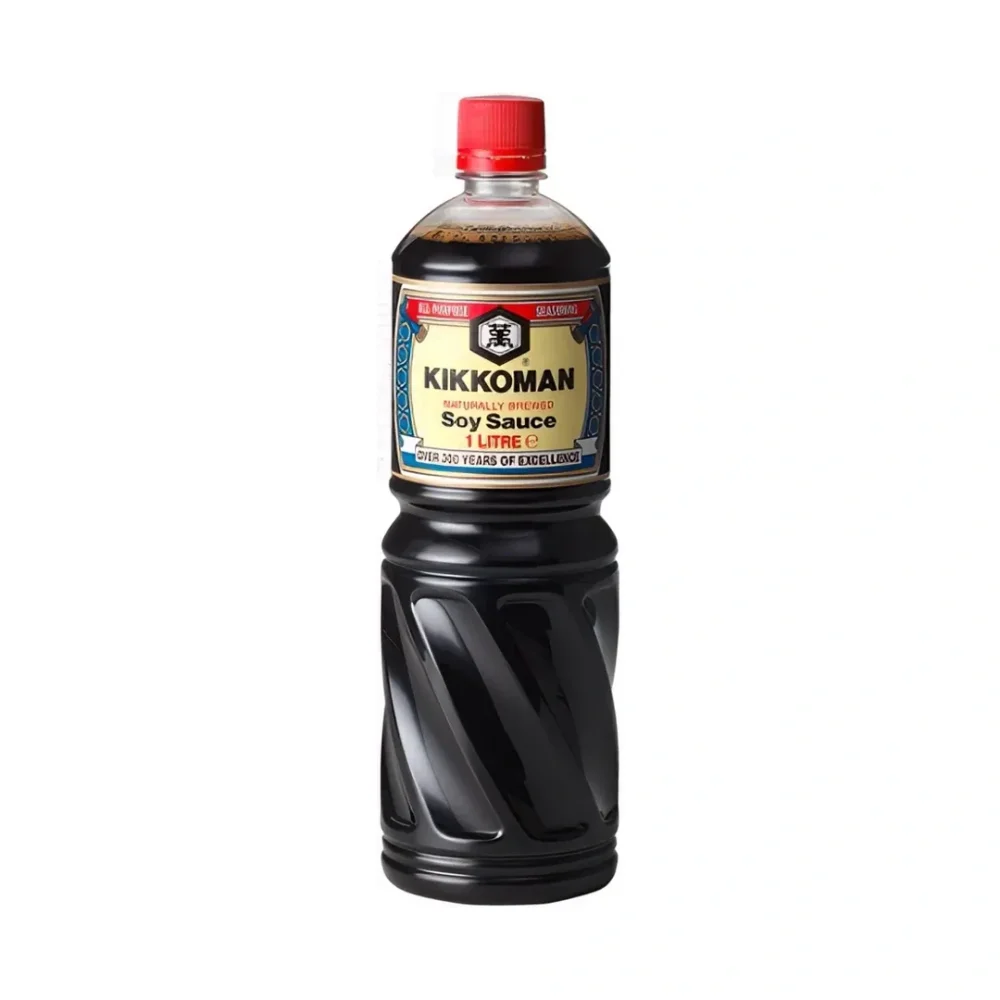
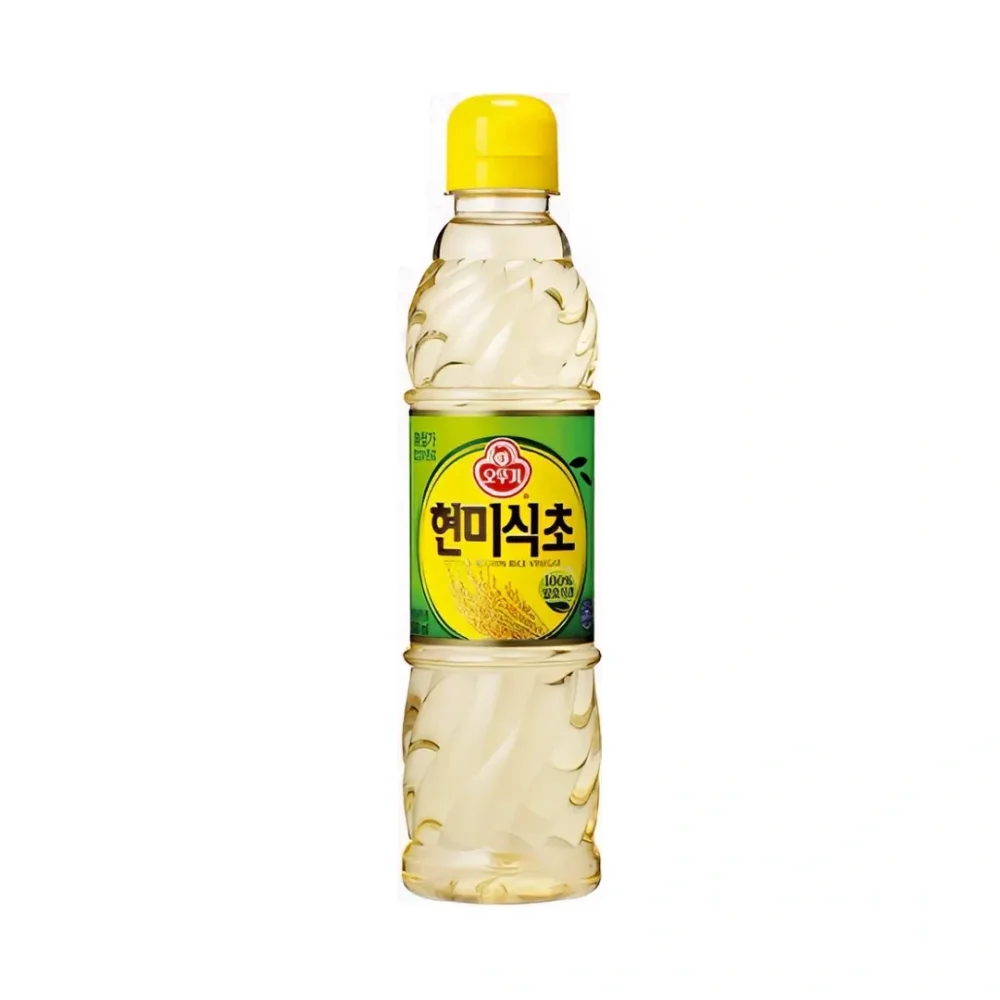
Tip for “safe seasoning”: when you’re unsure about dosing, start with a small amount and add bit by bit. For soy sauce, often just a few drops to a teaspoon per portion suffices depending on what else is in the dish.
I want quick pan meals
Quick pan cooking (stir-fry) is great for weekdays but has its rhythm: at the stove there’s no time to look for ingredients. Most work is done beforehand (cutting, measuring, mixing sauce).
- Good for a start: one meat/tofu, one or two vegetables, one simple sauce and rice or noodles.
- What you'll learn: order of steps and that “quick” doesn’t have to mean “simple” if you underestimate preparation.
- First rescue round: ready-made sauce base like AHG Cantonese lemon chicken sauce – with it you can practice pan work without being immediately overwhelmed by flavor balancing.
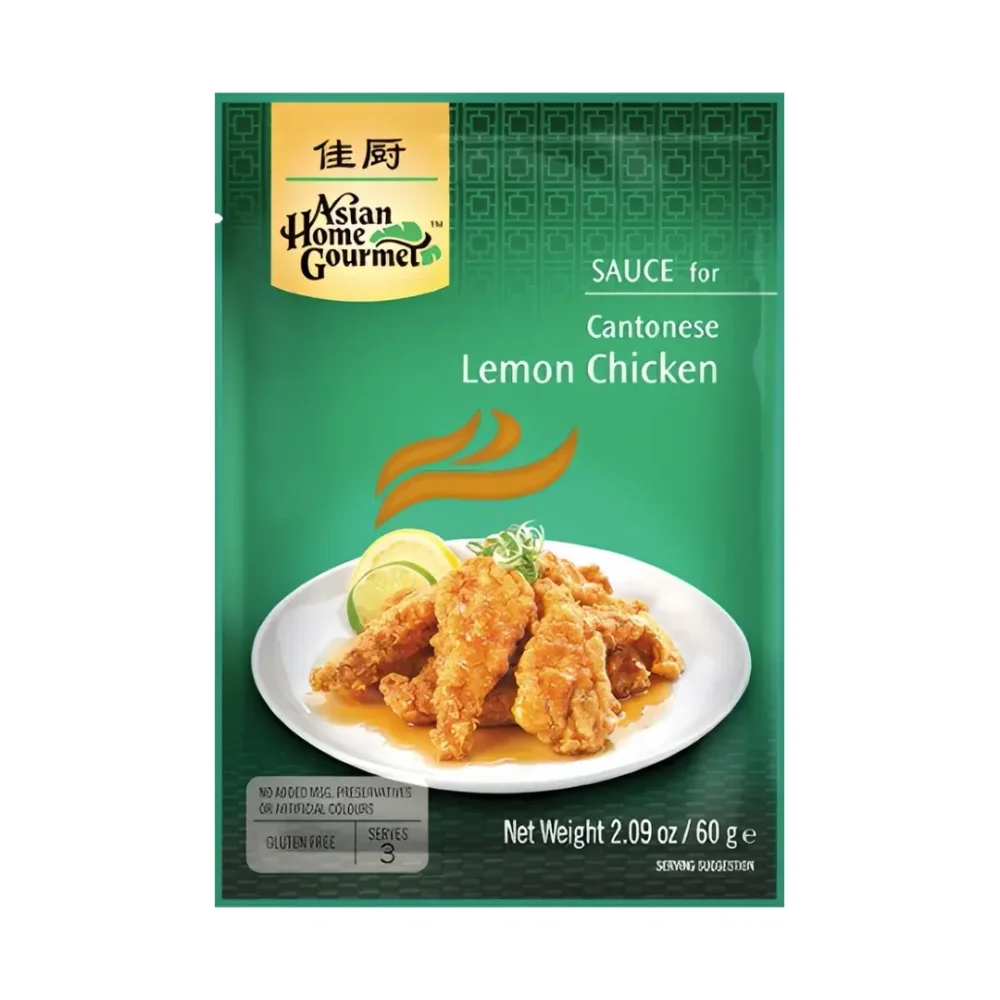
Practical advice: cut everything into pieces of similar size. If some ingredients are too thick and some too thin, it will be hard to hit doneness and the dish will feel “disjointed” even with a good sauce.
I want bold, sweet-salty and spicier flavors
If you enjoy boldness and want “energy” in the dish, you often turn to chili. It’s important to understand that spiciness isn’t just a scale from zero to ten – it can be short sharp, warming gradual, or “oily” and long-lasting. And sometimes it’s not even chili, but tingling (typically a different mechanism).
- How to start safely: dose spiciness so it can be reversed – ideally add gradually or have it on the side.
- Pure spiciness without a large sauce footprint: Sambal Oelek (chili paste). Suitable where you want “just chili” and want to build the rest of the flavor yourself.
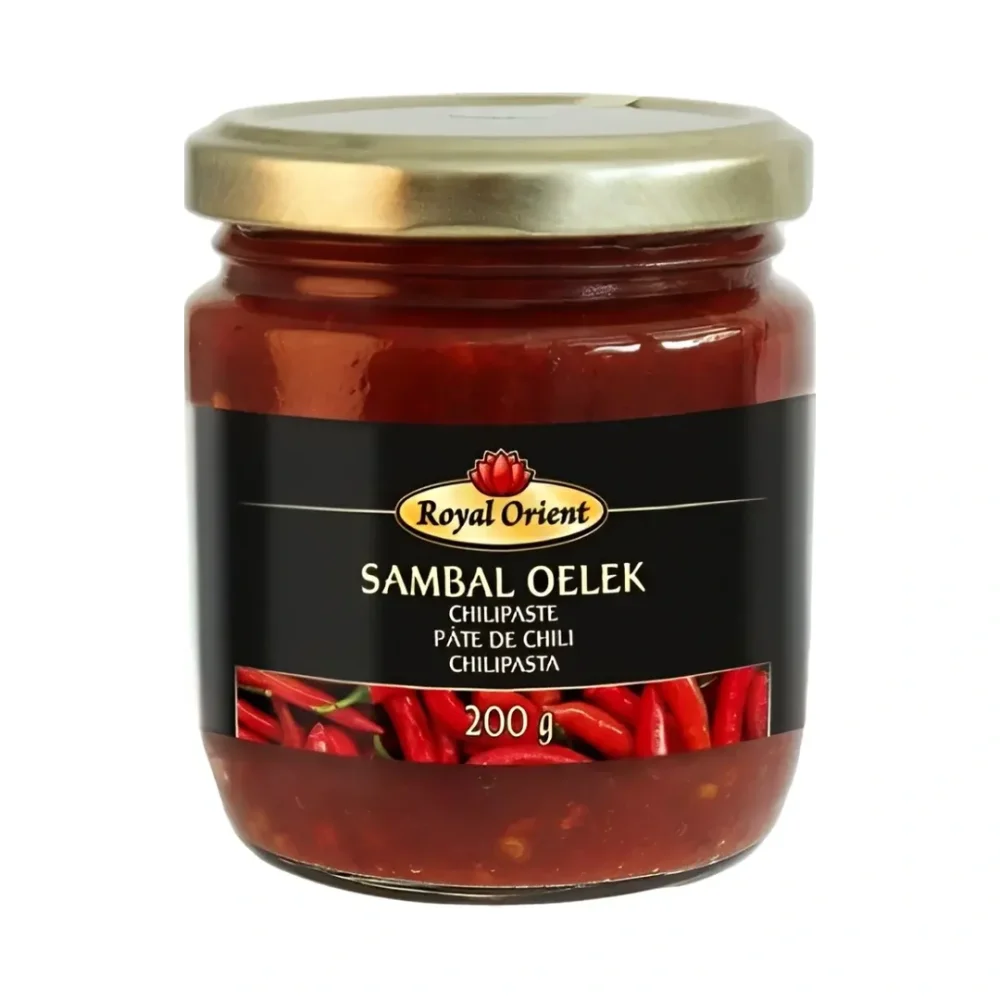
Practical dosing for start: really start with a small amount (like the tip of a teaspoon for one portion), mix and taste. Spiciness often develops only after a while and spreads differently in different dishes (fat, liquid, sweetness, and acidity matter).
I want freshness, herbs and balancing acidity
This direction is great if you like lighter dishes and clear contrast of flavors. Often expect that part of the flavor relies on fresh things (herbs, aromatics) and that acidity and saltiness must be balanced.
- Simple starting frame: soup or “bowl” with a clear base and an option to adjust at the end.
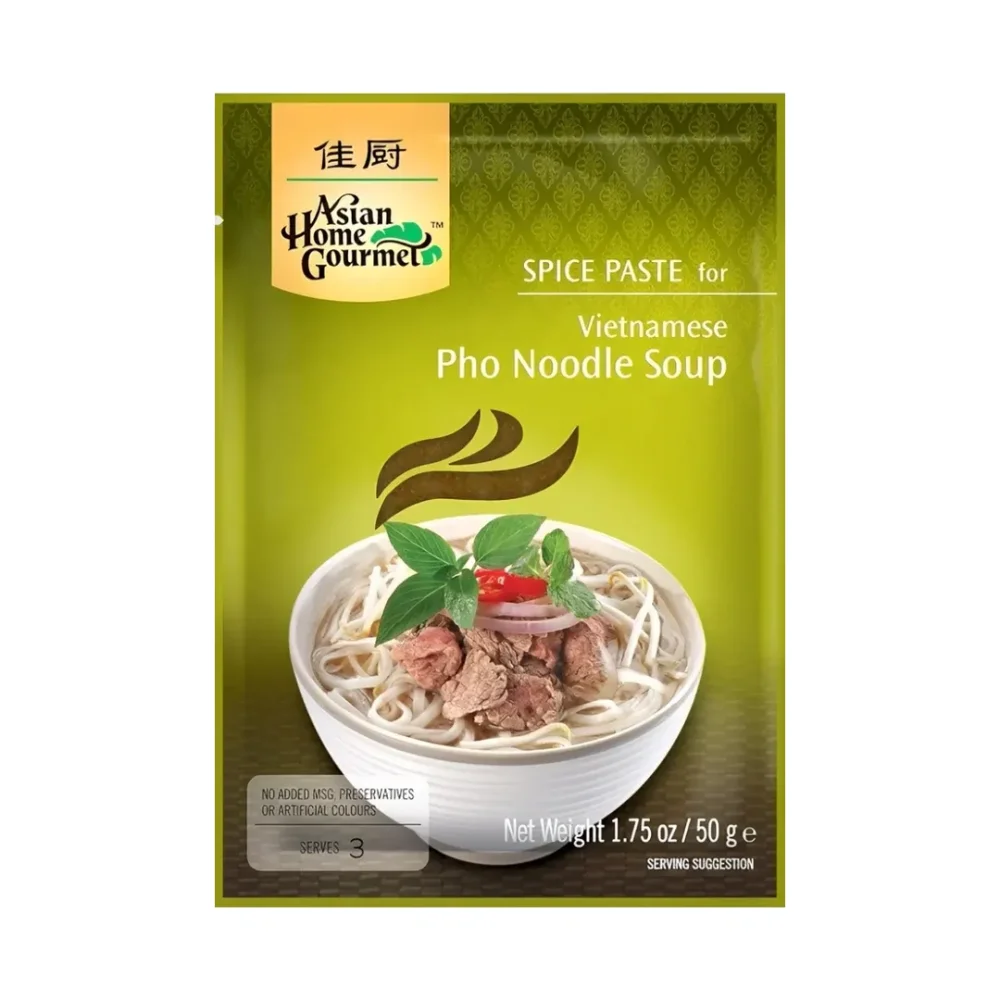
- Practical shortcut for the first try: AHG Pho soup paste, which helps you build the flavor base – then you add broth, noodles, and what you like (meat/tofu, herbs).
- Another way for fresh dishes: work with rice paper (as technique and texture) – navigation is the category rice paper.
I want spices, braising and richer dishes
If you want “warming” dishes with spices and sauce, it’s often pleasant for a beginner that they are more tolerant to minor mistakes. If you accidentally overcook by a minute, the world won’t fall apart so easily like with quick stir-fry.
- Practical start: curry as one fragrant base + liquid (e.g. coconut milk or broth) + ingredient (chicken, vegetables, tofu).
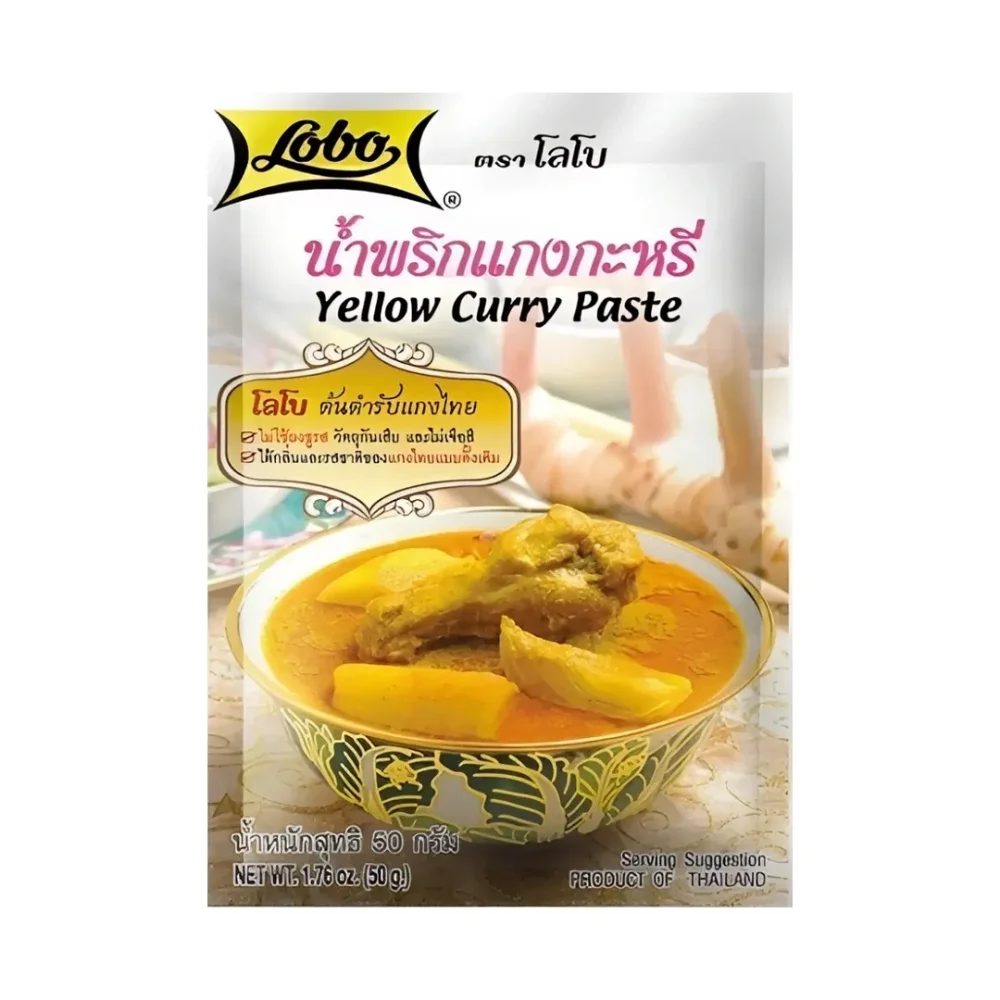
- Simple first step: Lobo yellow curry paste – briefly brown it in fat and then build the rest of the dish.
- Rice for richer sauces: many people start with long-grain rice; as a rough guide see the category basmati rice.
I want homey, accessible dishes with sauce, rice and acidity
This is a good direction if you want flavor “done” quickly and mainly to cook repeatably. Typically you will build on rice and several seasonings that return in various variations.
- Quick success: fried rice is appreciative because it uses up leftover rice and accepts variations.
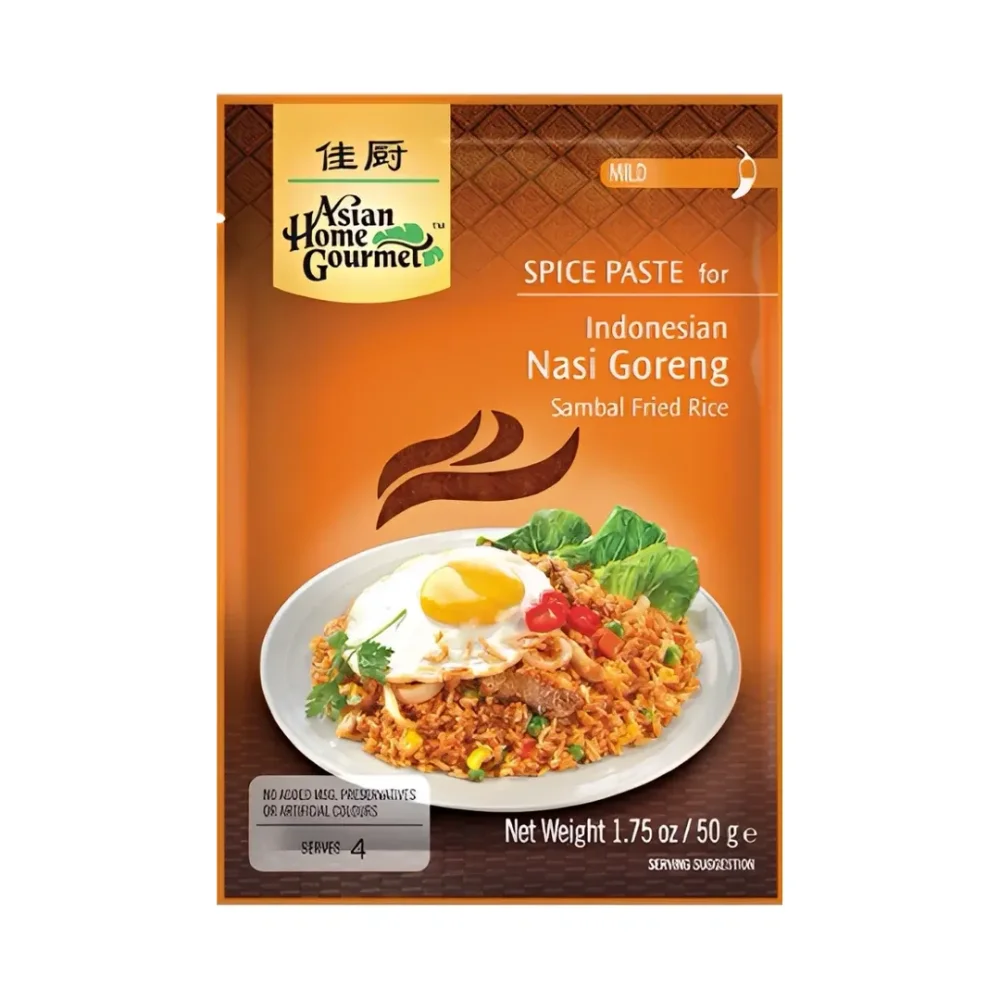
- Starter shortcut: AHG Nasi Goreng rice paste – first briefly fry it in oil and then mix with rice.
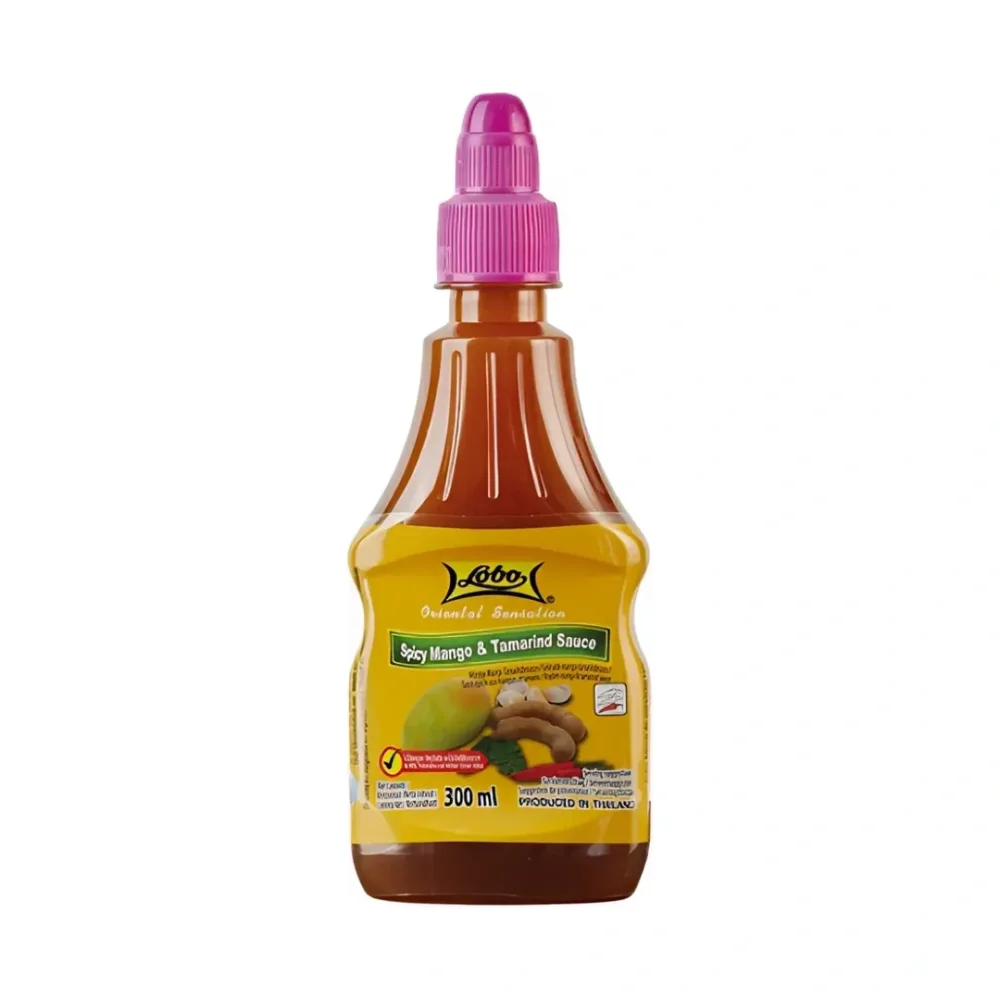
- Sweet and sour/spicy direction without complicated balancing: Lobo spicy mango tamarind sauce can work as quick seasoning (e.g., for noodles, rice, or as a dip) when you want to combine sweetness, acidity, and spiciness in one footprint.
🍽️ 3) What to start with specifically: choose your “first 3 dinners” instead of buying without a plan
A good onboarding dish (the first one you start with) generally has three qualities: has few steps, doesn’t punish small mistakes and teaches one key principle. That is more important than the result looking like a photo.
Option A: I want quick success (and minimal stress)
- Choose 1 base (rice / noodles / soup) and stick to it for 2–3 meals in a row.
- Choose 1 flavor “engine” (one paste or one sauce) and learn to dose it.
- Add simple ingredients (egg, chicken, tofu, one vegetable) so you learn technique, not logistics.
Practical tip: when testing a new paste or chili, start with a smaller amount and fine-tune. For most intense seasonings, it’s easier to add than to fix overburned spiciness or oversalting.
Option B: I want to understand the technique (and don’t mind learning)
- Wok and order: even simple stir-fry will teach you that it’s not just "throw everything on the pan," but about the order and readiness of ingredients.
- Broth and soup: soup will teach you to work with the base and adjust at the end.
- Balance of sauce: you’ll understand how saltiness/umami, acidity, sweetness, spiciness, and fat meet in a dish.
Option C: I want a sensible home start (repeatable from a few same things)
Here it’s good to think about pantry functionally: you don’t want twenty random bottles, but a few basics that recur across dishes. Generally, it pays to have something for saltiness and umami, something for acidity, something for aroma/fat, and a starchy base.
- First layer (universal): rice, basic soy sauce, rice vinegar, neutral oil, something starchy/thickening (depending on what you cook), and chili only if you want it.
- Second layer (according to direction): add one specific paste/sauce that matches what you’ll cook most often (curry paste, chili paste, sauce base, rice mix, etc.).
- Third layer (later on): specialties with narrow use that often only take up space without a clear plan.
🍜 4) How to choose ingredients that match what you want to cook
Many disappointments don’t arise because an ingredient is "bad," but because it is poorly chosen for a specific use. When buying, it is therefore worthwhile to switch from the 'this looks authentic' mode to the 'what will I actually use this for at home' mode.
First rule: read the label (especially the first items)
Asian ingredient packaging is usually visually striking, but the small print is decisive. The list of ingredients is usually in descending order – so what is at the beginning is most important for the product's character. Practically pay attention to:
- what is in the first positions of the composition,
- whether the product is based on a fermented ingredient or rather on water/sugar/thickeners,
- whether key flavors are not drowned out by sugar or starches,
- how allergens are marked.
Second rule: distinguish between 'base' vs. 'flavored product'
A common trap: confusing table sauce (ready seasoning) with a cooking base, or vice versa. Both can be useful but serve different purposes. If you want to cook repeatedly and understand the technique, it is good to have at least some real bases (e.g., soy sauce, vinegar) and alongside them one 'shortcut' (paste/sauce) for quick dinners.
Third rule: watch out that you are not buying something too specialized
Some ingredients are not bad – just not suitable as a first purchase. Warning signs include: very narrow use, need for exact dosing, extremely strong taste without universality, large packaging and especially unclear what you will actually add it to.
5) Most common beginner mistakes (and what to do instead)
- Trying to start with five cuisines at once: choose one direction for 2–3 weeks. You will gain confidence and only then does it make sense to expand.
- Buying too broad a pantry without a plan: first define 'the first 3 dinners' and shop for them. Then the pantry grows naturally and functionally.
- Choosing recipes by photo, not by technical difficulty: rather count the steps, new ingredients, and whether you can taste and adjust as you go.
- Underestimating chopping and preparation: in quick meals, preparation is half the success. Prepare everything in advance and only then turn on the pan.
- Not respecting that different cuisines have different rhythms: stir-fry is quick at the stove, curry is more tolerant and gives you time. Choose a rhythm that suits you.
- Confusing 'quick' with 'simple': a quick meal can be technically more demanding than a slower stew.
- Expecting all Asian dishes to be interchangeable: even if they have similar ingredients, they often work differently. It's better to have one clear style and gradually expand it.
6) What to take from the article
- Start with one 'entry direction' based on taste and time, not a random mix of cuisines.
- First plan your first 2–3 meals that share ingredients – and only then expand your pantry.
- For a quick start, feel free to use one paste or sauce base, but simultaneously build a few genuine bases (saltiness/umami, acidity, starchy base).
- Read labels and choose according to function: what it will go into, how strong a role it should have, and whether it is a base or a finished seasoning.
- Regarding spiciness: start with small amounts and learn to layer and balance it, not to 'over-spice' the very first attempt.

Read next
If you want to explore this topic further, continue with these related blog guides and articles:
