


 Česky (CZK)
 Slovensky (EUR)
 Deutsch (EUR)
 Austria
 Belgium
 Bulgaria
 Croatia
 Denmark
 Estonia
 Finland
 France
 Germany
 Greece
 Hungary
 Italy
Italy Latvia
 Lithuania
 Luxembourg
 Netherlands
 Poland
 Portugal
 Romania
 Slovenia
 Spain
Spain Sweden










How to work with spiciness without ruining the food: add, tone down, and keep the flavor under control
Spiciness in Asian cuisine is not a contest of "the biggest fire," but one of the layers of flavor that is meant to enliven, highlight, and balance the dish. However, if you overdo the amount or choose the wrong type of chili base, you can easily end up with a dish that is sharp but flavorless—or downright inedible. In this article, you will find practical methods on how to safely increase spiciness, how to tone it down, and how to avoid common beginner mistakes.
Spiciness as a flavor layer: what to watch before reaching for chili
In a well-constructed dish, spiciness serves as a accent – it can add energy, a "spark," warmth, or contrast. The problem arises when spiciness becomes a substitute for other flavor components.
A typical situation: the dish tastes somewhat "flat," so you add more chili. But what often is missing is not heat but salt, acidity, or freshness. Spiciness then only emphasizes the shortcomings and overpowers the rest of the flavors.
The goal isn't to cook a "mildly spicy" or "very spicy" dish. The goal is to understand:
- where the spiciness in the dish comes from (fresh chili vs. paste vs. oil),
- what role it plays (sauce base, tabletop seasoning, final accent),
- and what it is balanced with (fat/creamy, volume, subtle sweetness, acidity).
If you want to start safely, it is very practical to work with spiciness "per portion" – for example, having chili on the side and dosing it at the table. This also works great for rice paper rolls, where everyone adjusts the heat with their own dip.
🌶️ What is spiciness and why does it "burn"
Spiciness in chili is mainly related to a substance called capsaicin (and other capsaicinoids). It is important that spiciness itself is only one parameter – besides that, chili bases can also bring sweetness, acidity, saltiness, umami, garlicky notes, smokiness, or fermentation depth. And this often determines whether the chili "helps" or "ruins" the flavor of the dish.
Where chili originated (brief and to the point)
Chili peppers (Capsicum) originate from the Americas and spread to Asia only after overseas contacts in modern times. However, they are now so embedded in many Asian cuisines that it is hard to imagine a large part of Thai, Korean, Chinese, Indonesian, Malaysian, or Filipino flavors without them.
Scoville: a useful number, but only partially
The Scoville scale (SHU) is often taken as a simple guide for "how spicy it will be." In practice, though, it is useful only partially – two ingredients with the same subjective spiciness can have completely different roles in a dish. For home cooking, it is often more practical to think like this: What type of spiciness do I want and when do I add it?
Spiciness is not just one thing: 4 types you can recognize in a dish
One of the greatest reliefs for beginners is realizing that spiciness is not just "more" or "less." Different sources of spiciness behave differently and the impression from them can be completely different.
Short sharp spiciness
A quick "cut": spiciness comes on swiftly and acts straightforwardly. It is often associated with fresh chili or simple chili bases without much complexity. In dishes, it can serve as an immediate kick—and for that reason, it is easy to overdo by adding too much at once.
Warming, slower spiciness
Spiciness comes on more slowly and acts more like warmth that spreads. In practice, it is often more pleasant in dishes that also have other layers (sweetness, umami, aroma). For beginners, it is usually easier than the "sharp cut" because it doesn't feel as aggressive at first.
Deeper "oil-based" spiciness
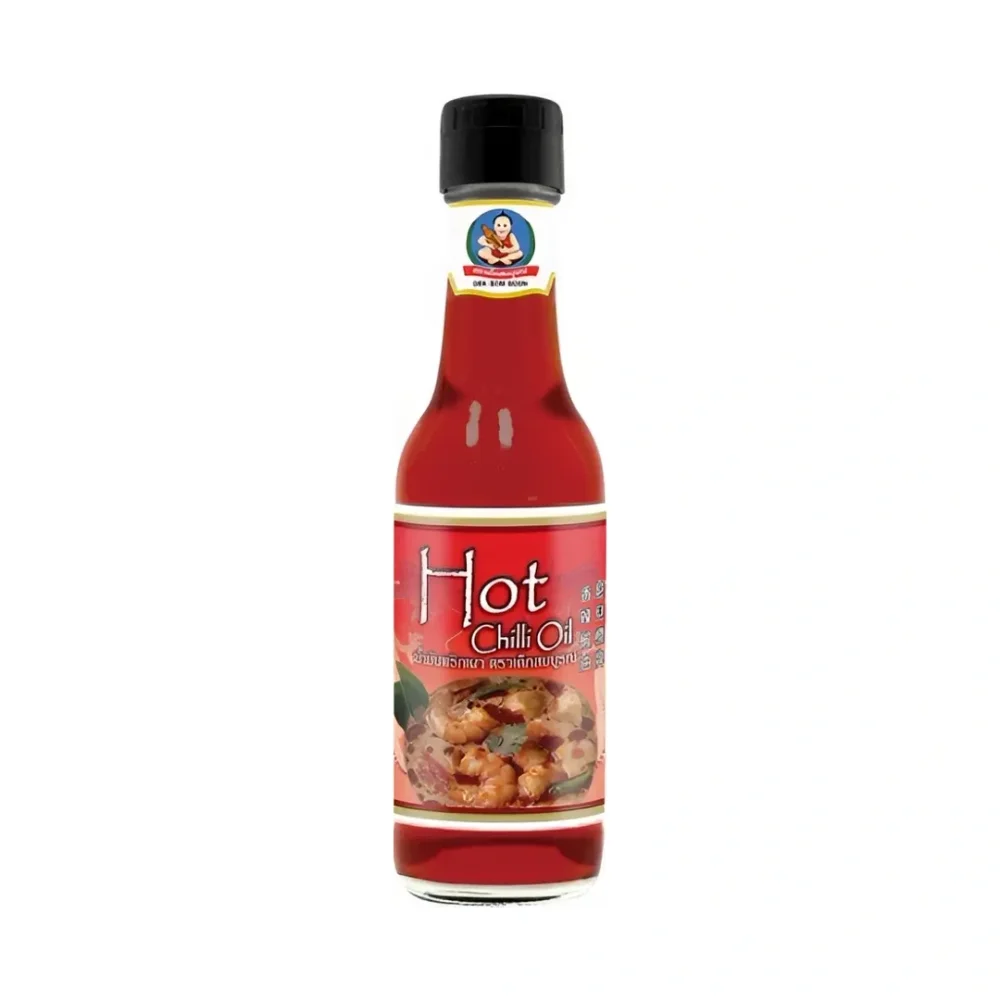
Spiciness is carried by the oil component—often in the form of chili oil. This is an excellent tool for control because it can be dosed drop by drop and is often used only at the end, when you don't want to remake the dish, just adjust it. A practical example is Dek Som Boon chili oil, which works well as a final seasoning on the plate.
Tingling or numbness
In Chinese Sichuan cuisine, along with chili, there is often tingling from Sichuan pepper – it is a different type of "spicy" sensation than chili. It is good to know because a dish can feel "extreme" even if you haven't added much chili: part of the effect is due to the tingling, not just the heat.
Where spiciness typically comes from in various Asian cuisines
One of the quickest ways to understand spiciness is to think in terms of "kitchen sources" – not just peppers.
Korea: spiciness linked with fermentation and depth
- gochujang (fermented chili paste),
- gochugaru (chili flakes),
- kimchi,
- spicy sauces and fermented pastes.
Often it is not pure heat but spiciness combined with "deeper" flavor.
Thailand: lively spiciness combined with acidity and herbs
- fresh chili,
- curry pastes,
- chili dips,
- chili in fish and lime dressings.
The Thai approach often relies on spiciness not standing alone – it is held together by acidity and freshness. That is why spiciness in cold dishes and salads is dosed very "precisely": it should be a spark, not the main event.
Indonesia and Malaysia: sambals and umami (often fermented)
- sambals and chili pastes,
- spicy sauces and dips,
- combinations of chili with shrimp or other fermented components.
If you encounter a chili mix that feels "rounder" and umami, it's often because it is not just chili, but chili plus other flavor building blocks.
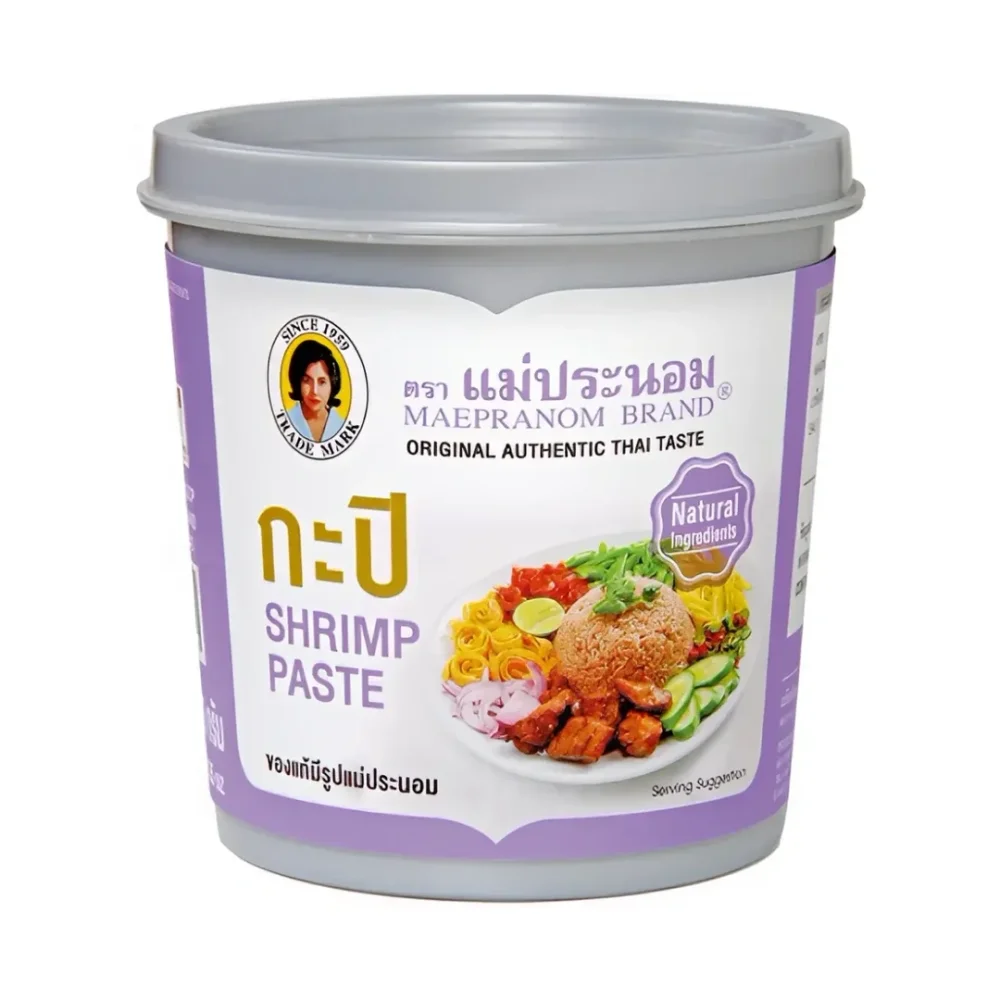
A typical umami seasoning in this line is also Maepranom shrimp paste – used in small amounts, it can add intense salty-umami depth (and then spiciness is handled more carefully because flavors can easily be "over-spiced").
China: from pure chili to chili oils (and tingling in Sichuan)
- pure chili heat,
- chili oils,
- fermented chili pastes,
- and in Sichuan, tingling from Sichuan pepper.
India and Sri Lanka: chili in various forms and "warming" spiciness
- fresh chili,
- dried chili,
- ground chili,
- curry pastes and spice bases,
- sometimes even pepper or other "warming" spices.
Chili sauces, pastes, and oils: choose based on function, not just spiciness
The term "chili sauce" covers many different things. Two sauces with the same subjective spiciness can have completely different roles in the kitchen: one is thin and acidic for the table, another thick and sweet-salty as a sauce base, a third fermented for depth, a fourth oily to be added drop by drop at the end. Therefore, it is useful to distinguish chili products by function and style – not just "mild vs. strong."
🍳 Thin chili sauces: quick seasoning and tabletop use
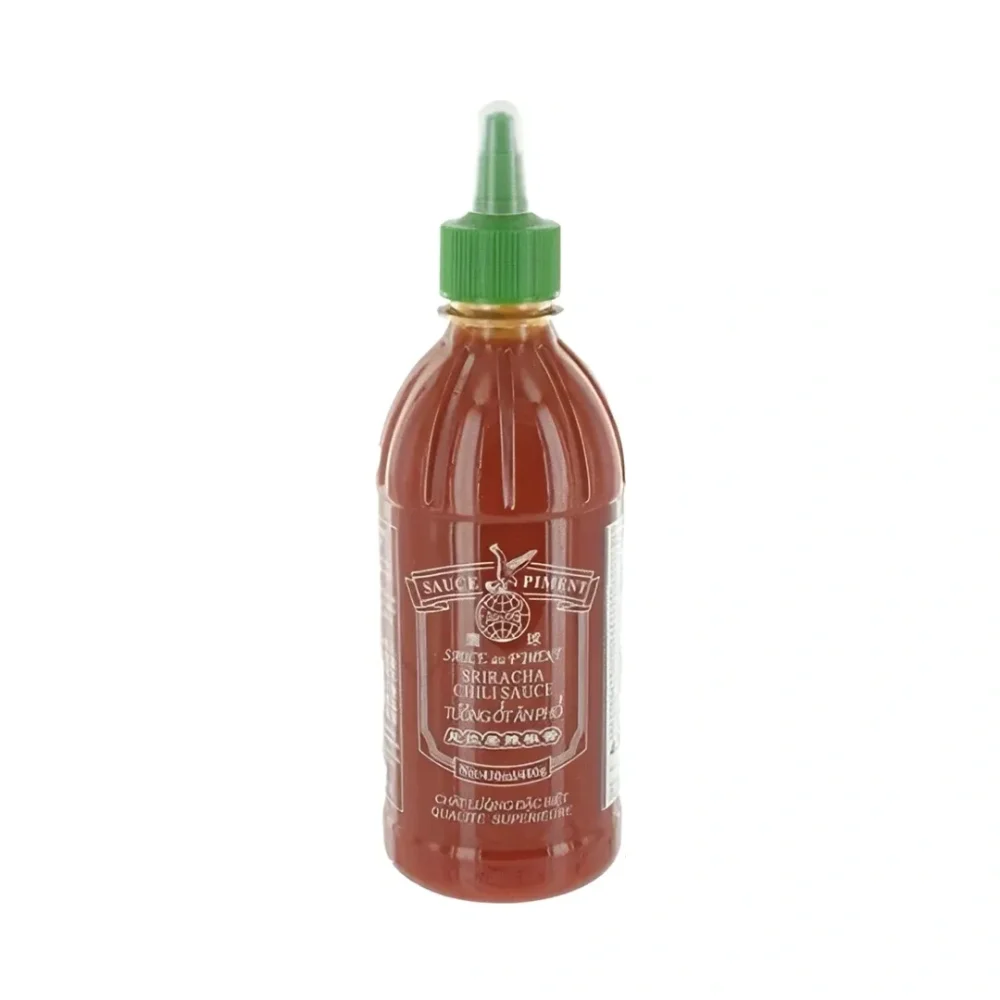
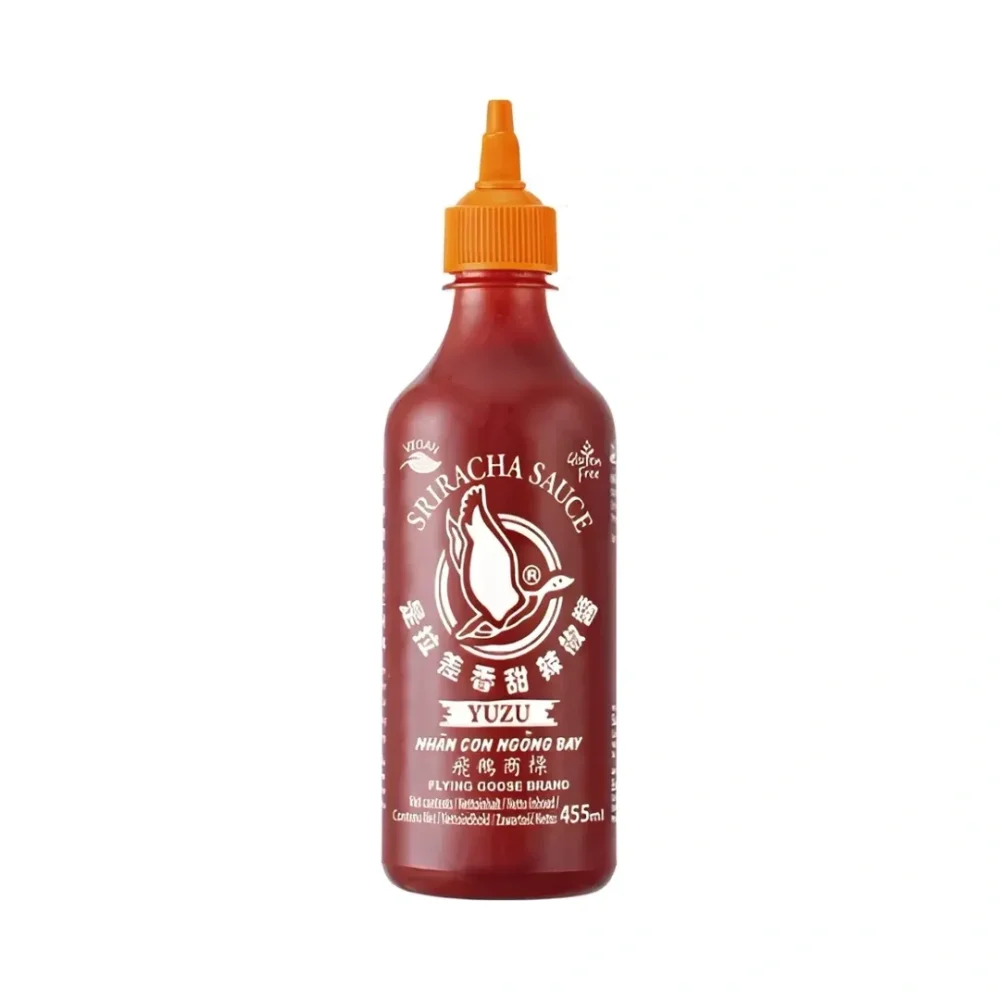
Typical examples include various types of sriracha. Important notice: not all srirachas are the same – they differ in consistency and role in the kitchen, and it is not good to automatically assume that each will work the same.
- Eaglobe Sriracha chili sauce is suitable where you want strong chili and garlic flavoring (on noodles, rice, stir-fry, or as a quick dip).
- Flying Goose sriracha Yuzu adds a citrus tone to the spiciness – which is practical when you want the dish to feel "livelier," not just hotter.
Thick fermented pastes: spiciness + umami and "depth"
Fermented pastes (for example, Korean gochujang or certain Chinese chili pastes) are often more complex: they are suitable for marinades, sauce bases, and longer cooking. Here, it is good to remember that you are not adding only spiciness but also another flavor layer – which can dominate the dish if overused.
Cooked, baked, or fried chili pastes: "rounder" flavor
These pastes often combine chili with aromatics (garlic, shallot) and sometimes fermented components (such as shrimp paste). The result is spiciness that is less "one-dimensional" but can significantly change the character of the dish – so it pays to add them in small amounts.
Chili oils: final accent drop by drop
Chili oil is great when you want to mainly controlspiciness. Usually used at the end—for example on noodles, rice, or directly in the soup bowl. If you want to start simply, chili oil is often safer than adding a lot of chili to the whole pot.
Relishes and "pure" chili pastes: when you want just chili without unnecessary additives
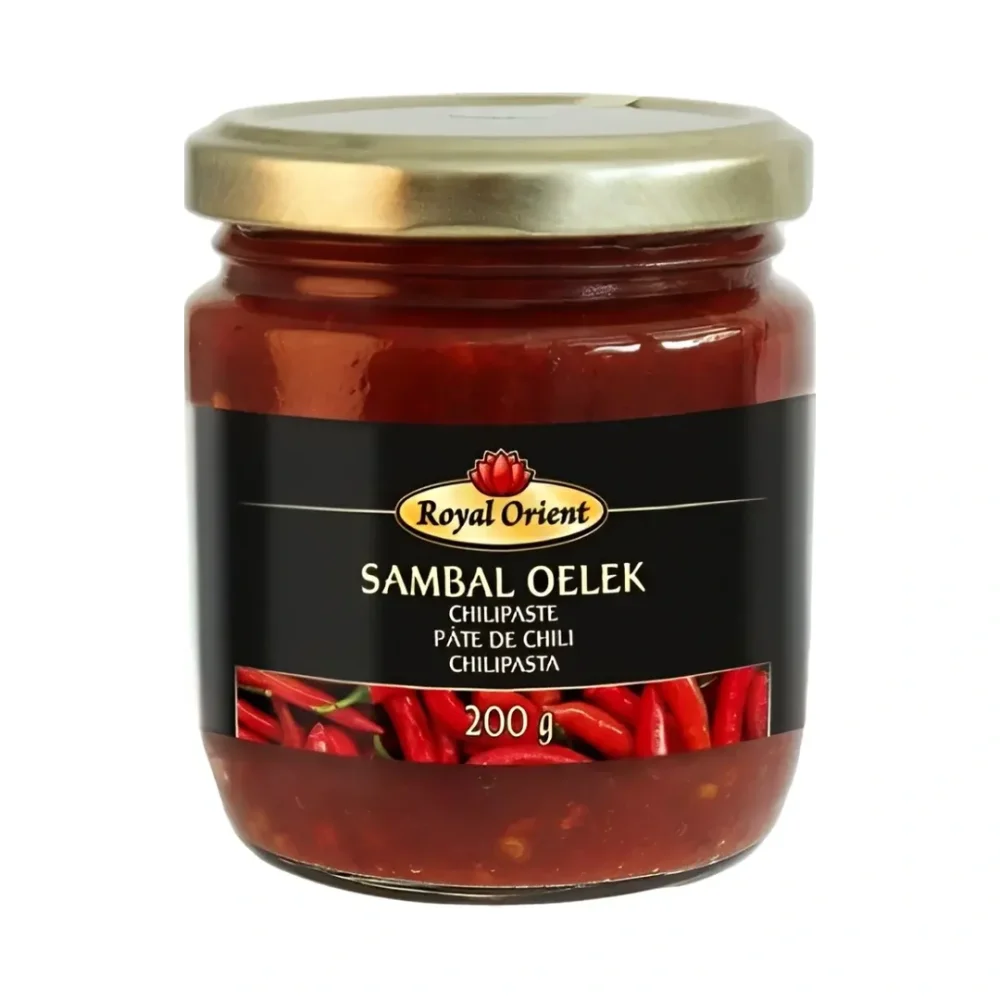
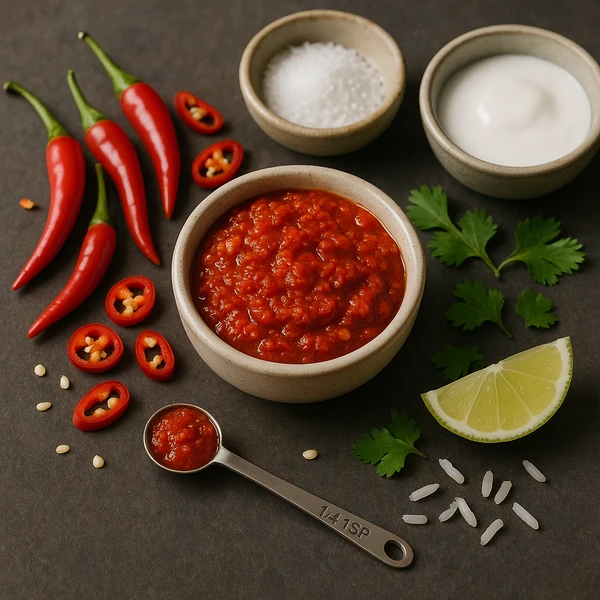
For quickly increasing spiciness without greatly changing the flavor, simple chili pastes like sambal oelek—crushed chili with salt—are suitable. A practical example is Royal Orient Sambal Oelek: you can add it to soup, sauce, or stir-fry, but it also works well served on the side so everyone can mix it into their portion.
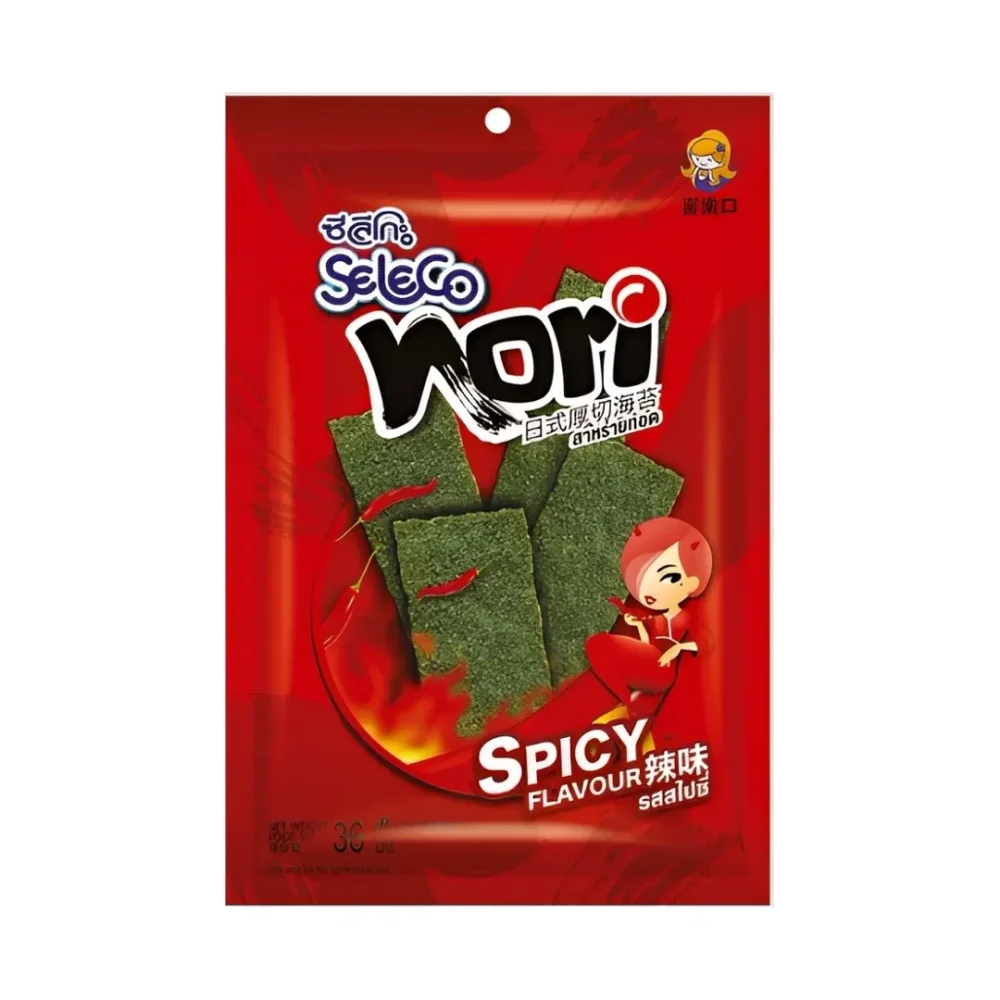
And sometimes "spiciness in the form of a sprinkle" is also handy—such as crispy, seasoned Seleco spicy seaweed as a topping on rice or noodles when you want heat in a smaller dose and also texture.
🍳 How to raise spiciness without ruining the dish (practical methods)
A basic rule that saves nerves and ingredients: increase spiciness in small steps. Adding is almost always easier than fixing.
Safe methods that work even for beginners
- Add chili in pinches (flakes/powder) and always let the flavor "develop" a bit before adding more.
- Season only part of the food: take a ladle of sauce/portion of stir-fry into a small bowl, add chili, and test. Only then transfer back to the rest.
- Work "per portion": mix a teaspoon of sambal into one bowl and leave the rest milder. This is one of the best controls in family cooking.
- Chili oil at the final stage: a few drops on the plate provide a clear effect without the risk of over-spicing the entire pot.
- Fresh chili separately on the table: everyone adds according to themselves (this is a very common logic across Asian "table" seasoning).
When the food tastes "flat," spiciness may not be missing
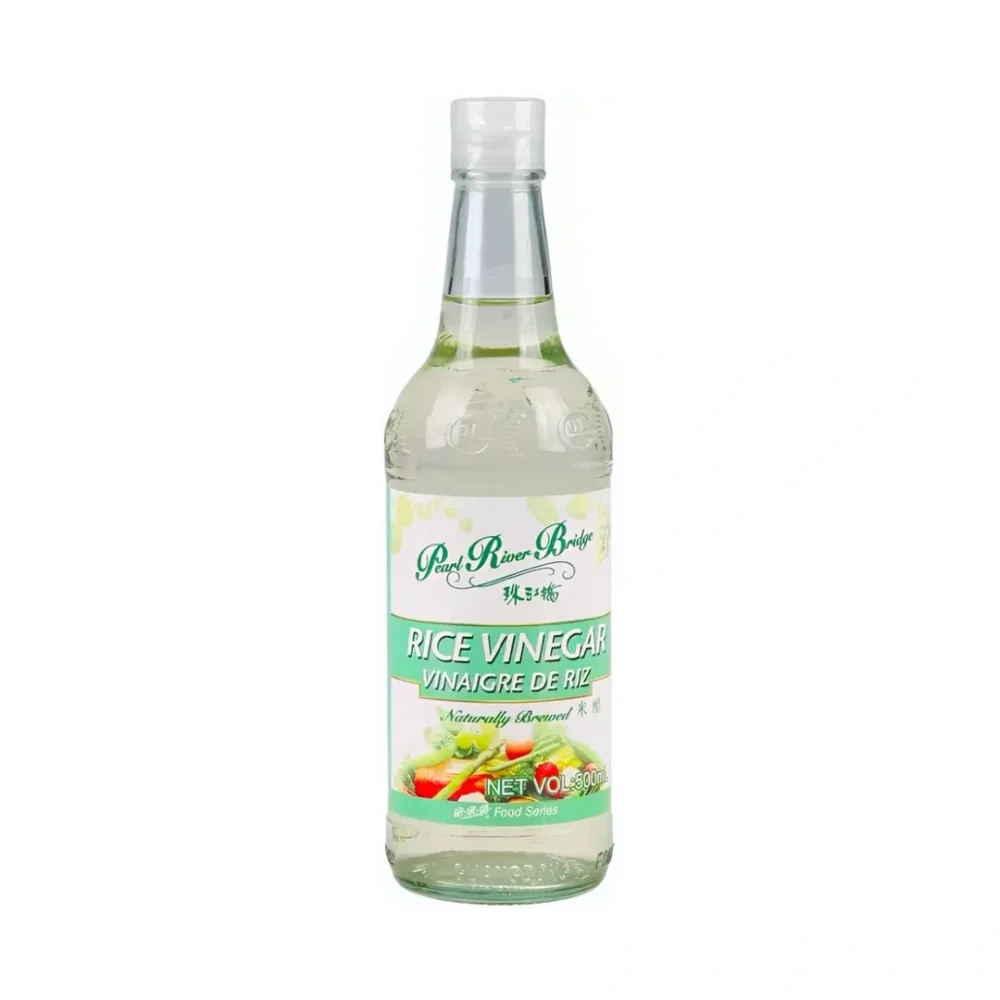
Before automatically adding more chili, try asking yourself: is it rather missing sourness or saltiness? A very practical tool is mild rice vinegar – for example P.R.B. rice vinegar, which is used in dressings and marinades. In some dishes, a small acidic touch is enough, and the spiciness can remain lower, but the food will seem more distinct and "finished."
How to start with spiciness if you are not used to it
The best way is not heroism, but layering:
- Start with milder dishes where spiciness is not the main theme.
- Use chili only at the end or on the side.
- Learn the difference between sambal, chili oil, and curry paste (each behaves differently and has a different role).
- Direct your adaptation first towards "heat," not the extreme.
- Learn to combine spiciness with sourness, fat, and light sweetness – then the sharpness feels more natural.
Practical starts without a recipe: milder curry, a small amount of chili oil on noodles, a teaspoon of sambal in rice and eggs, lightly spicy stir-fry or dip where everyone doses themselves.
If you want to try different seasoning mixes for simple rice (and keep spiciness under control in small doses), a guide can be useful pastes and spices for rice.
How to reduce spiciness and save an over-spiced dish
This is a skill useful for everyone: even an experienced cook sometimes adds more than intended. The good news is that spiciness can often be softened – you just need to do it so the dish’s flavor doesn't fall apart.
What usually works well
- Add fat or creaminess (then the spiciness feels softer).
- Add volume of neutral ingredients: rice, noodles, coconut milk, or broth – i.e., "increase the food" and then rebalance.
- Add a slight sweetness (not dessert sugar, rather a subtle rounding).
- Add a bit of acidity, if the dish can handle it.
- Divide the dish: dilute/rebuild part separately and then combine.
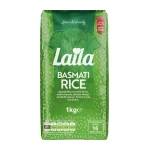
Neutral rice is one of the most reliable "rescue" tools in home practice – whether used as a side dish or mixed directly into the food to reduce the aggressiveness of the spiciness. If you want a universal rice at home for similar situations, you can look at basmati rice.
What often works worse (and why)
- Just add water without further adjustment – the food will be "diluted," but often watery and tasteless.
- Add more salt hoping to "mask" the spiciness – usually you just end up with an oversalted dish that still burns.
- Add a random sauce – easily breaks the flavor profile and turns a spicy dish into spicy chaos.
Practical rule for home decisions
- If the dish is only "spicier," often helps fat and a little sweetness.
- If it’s really aggressively over-spiced, the best is usually to increase the volume (rice/noodles/broth/coconut) and then adjust saltiness, acidity, and aroma again.
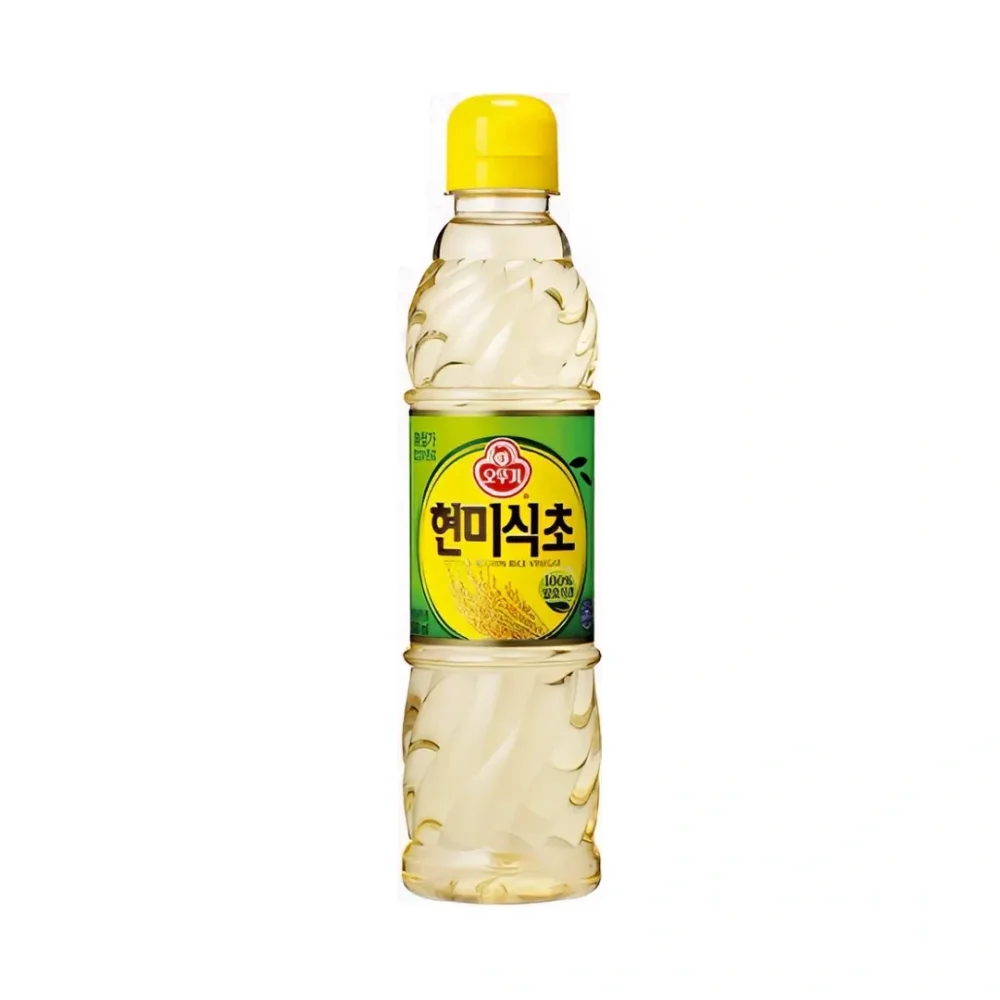
For a mild acidity that can enhance the dish even when rescuing it, rice vinegar with a balanced profile can be useful – for example Ottogi brown rice vinegar for dressings and marinades where you don’t want to overpower other flavors.
Most common mistakes and misunderstandings (and how to avoid them)
- Confuse spiciness with flavor depth. Spiciness can "kick" a dish, but it does not replace umami, salt, or freshness. When food tastes empty, it’s often better to first adjust the base (salty/sour/fresh) and only then add spiciness.
- Only follow whether something is "very spicy." In the kitchen, the functionoften matters more: is it a table sauce, a sauce base, or a finishing oil?
- Pouring chili sauce into the whole dish without testing. It’s safer to flavor a small part or one portion first. This applies doubly to complex pastes (fermented or fried) which, besides spiciness, bring a strong own flavor.
- "Saving" spiciness only with water. Water often breaks texture and flavor. Better to work with fat/creaminess, volume, and subsequent balancing.
- Heroism when adapting to spicy. Layering is much more stable: start mild, dose per serving, use chili at the end, and learn to combine spiciness with acidity and fat.
- Assuming "sriracha = one specific thing." Even with the same name, there can be differences in style and use. When a sauce doesn’t taste right in one role (e.g., as a sauce base), try it in another (e.g., as a table condiment).
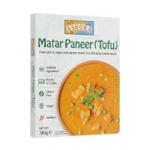
If you cook for multiple people with different spiciness tolerance, a very practical strategy is to have the dish base milder and put spicy components on the side (sambal, sriracha, chili oil). In this regard, some ready Asian mealsare also convenient: you can keep them at a "safe" level and adjust the spiciness at the plate.
What to take away from the article
- Spiciness is a layer of flavor – it should highlight the dish, not replace salt, acidity, and freshness.
- Spiciness is not one thing: sharp, warming, oily, or tingling behave differently in food.
- Distinguish chili bases by function (table sauce vs. cooking paste vs. finishing oil), not just by "strength."
- Add in small steps and ideally test on a part of the food or directly on the portion.
- If you overdo it, most often helps fat/creaminess, increasing volume, and gentle rebalancing (sweetness/acidity) – not just water.

Read next
If you want to explore this topic further, continue with these related blog guides and articles:
