


 Česky (CZK)
 Slovensky (EUR)
 Deutsch (EUR)
 Austria
 Belgium
 Bulgaria
 Croatia
 Denmark
 Estonia
 Finland
 France
 Germany
 Greece
 Hungary
 Italy
Italy Latvia
 Lithuania
 Luxembourg
 Netherlands
 Poland
 Portugal
 Romania
 Slovenia
 Spain
Spain Sweden










Flours and starches in Asian cuisine: how to choose the right type for thickening, coating, and dough
Flours and starches are inconspicuous in Asian cuisine, but they often decide the most important thing: texture. Thanks to them, the coating can be crispy and light, the sauce smooth and glossy, the dumpling elastic, or the dim sum wrapper delicately translucent. In the article, you will clarify when to reach for rice flour, when for glutinous rice flour, when for tapioca starch, and what to watch out for when reading labels.
Many people mainly focus on sauces, pastes, and spices in Asian dishes. But when you want to cook something at home that has an "Asian bite" (elasticity, glossiness, delicate crunch, or shiny thickening), you encounter flours and starches. These are ingredients with predominantly neutral flavors but distinctly different behavior.
The good news is that in practice it can be navigated relatively easily: don't start with the question "which is best," but "what texture do I want." This perspective is exactly how Asian recipes are most often thought about.
Why flours and starches are so important in Asian cuisine
Asian cooking largely relies on working with texture. A single dish commonly combines crispiness, elasticity, silkiness, and a slightly sticky surface – which is why several types of flours and starches appear alongside each other in recipes, even though at first taste they seem "neutral."
The ratio of amylose to amylopectin also plays an important role. Simply put, ingredients with a higher amylopectin content tend to be stickier, more elastic, and more stretchy after heat treatment, while higher amylose often leads to a firmer, drier, and more crumbly result. This is why there is such a big difference between regular rice flour and glutinous rice flour – even though both come from rice.
How to think about selection: first decide what the result should be
Before diving into specific names, a brief "texture" check helps. In Asian cuisine, this is often the quickest path to the right choice:
- Do I want thickening and shine? Usually, the path leads through starch.
- Do I want elasticity and a stretchy texture? Often glutinous rice flour helps (and sometimes some starches too).
- Do I want a delicate coating and light crunch? A combination of flour and starch often works – or a ready-made coating mix.
- Do I want a translucent or glossy result? Tapioca, sweet potato starch, or wheat starch typically come into play.
- Do I want a neutral taste and a versatile base for both savory and sweet? A good starting point is classic rice flour.
This logic is practical even in home cooking: often you are not concerned with the "authenticity of the name," but whether the sauce is smooth, the coating crispy, and the dumpling pleasantly elastic.
Main groups of flours and starches you will most often encounter
1) Classic rice flour: a neutral base for savory and sweet
Classic rice flour is one of the most versatile starts. In practice, it is used as a fine flour with a neutral taste: suitable for light doughs, coating, and thickening sauces and soups.
A concrete example can be Windmill rice flour – typically used where you want a fine, "clean" flour base without a pronounced taste.
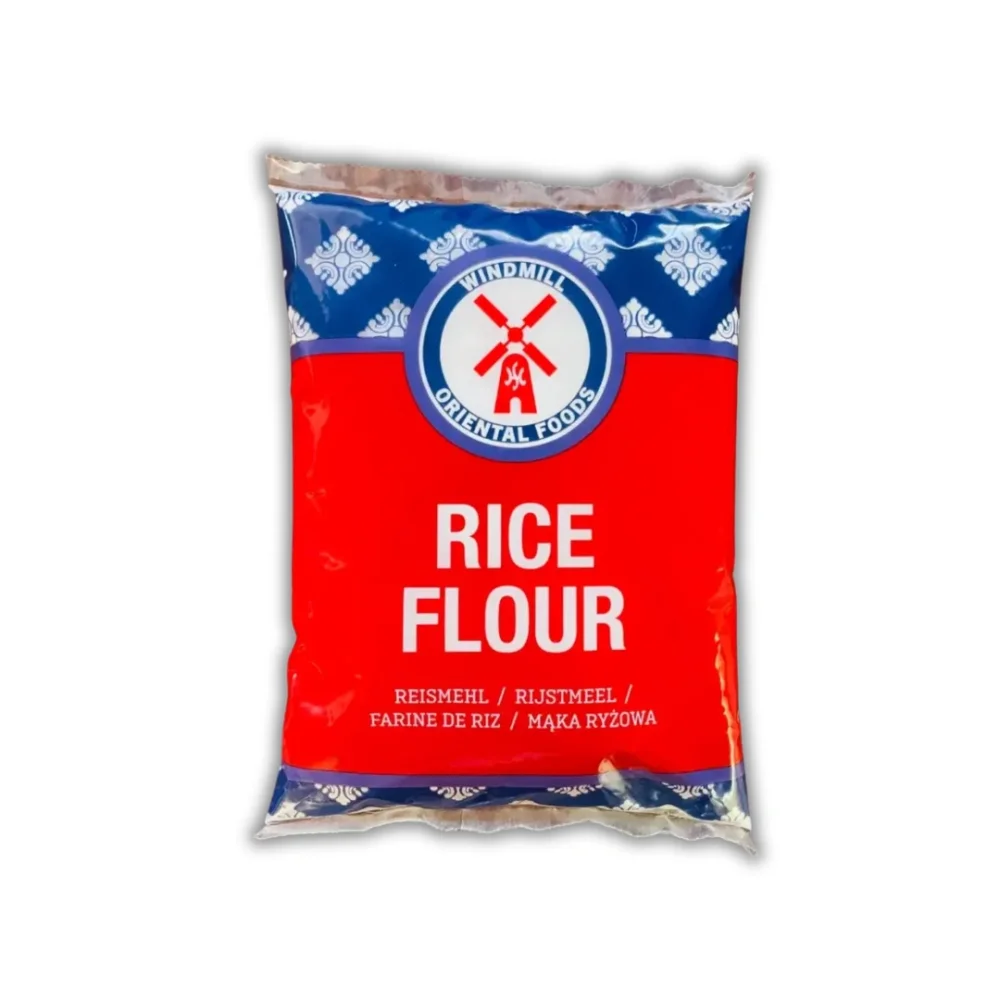
It is also suitable for situations when you are just learning to distinguish between types: rice flour gives you a stable starting point and you add other starches or flours according to the desired texture.
2) Glutinous rice flour: elasticity and stretchiness
Glutinous rice flour is typical for creating a flexible and pliable structure after heating. In the kitchen, it is mainly associated with rice dumplings and desserts like mochi (rice cakes with a chewy texture), but it can also be used as a fine thickener.
A practical example is Windmill glutinous rice flour.
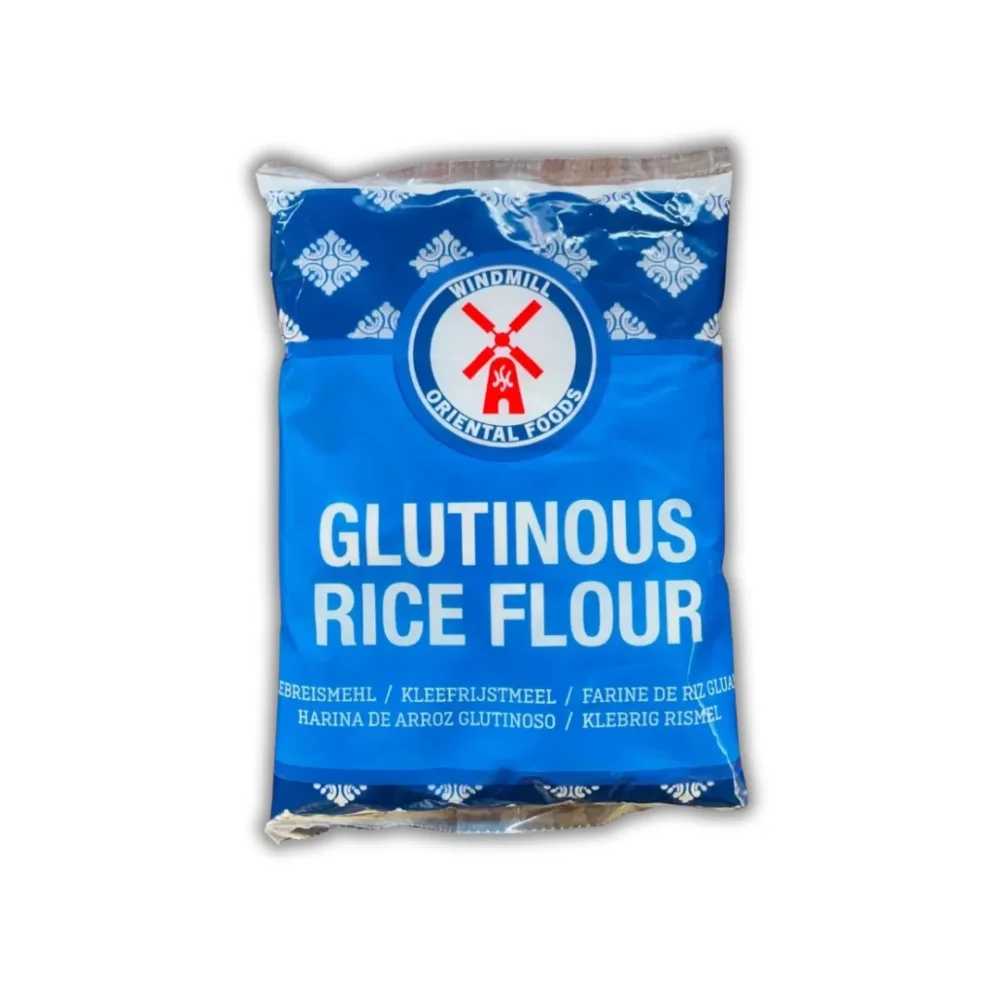
An important note about the name: "glutinous" in this context does not mean wheat or automatically "gluten." It is a common source of misunderstanding – and one of the reasons why it pays to read labels carefully.
3) Tapioca starch and tapioca pearls: glossiness, translucency, and elastic gel
Tapioca comes from cassava (manioc). It became significantly established in Asian cuisine after cassava's spread in tropical Asia. Tapioca starch is used not only to make powder starch but also pearls and other forms.
How it acts: after cooking, it is usually gel-like, translucent, smooth, and elastic. That’s why it is so useful in desserts and some types of thickening and coatings where you want a "glossy" effect.
What it suits: bubble tea and tapioca pearls, coconut and fruit desserts, thickening sauces and sweet bases, elastic fine doughs, mixtures for crispy coatings, and recipes where you want a translucent structure.
What not to expect from it: it itself does not carry a strong flavor – it is primarily a textural ingredient. And if poorly prepared, it can be unpleasantly gummy or conversely mushy.
If you want to start simply with "tapioca powder" for regular kitchen use, a typical example is Windmill tapioca starch (practical, for example, for faster thickening and a smoother, slightly glossy impression).
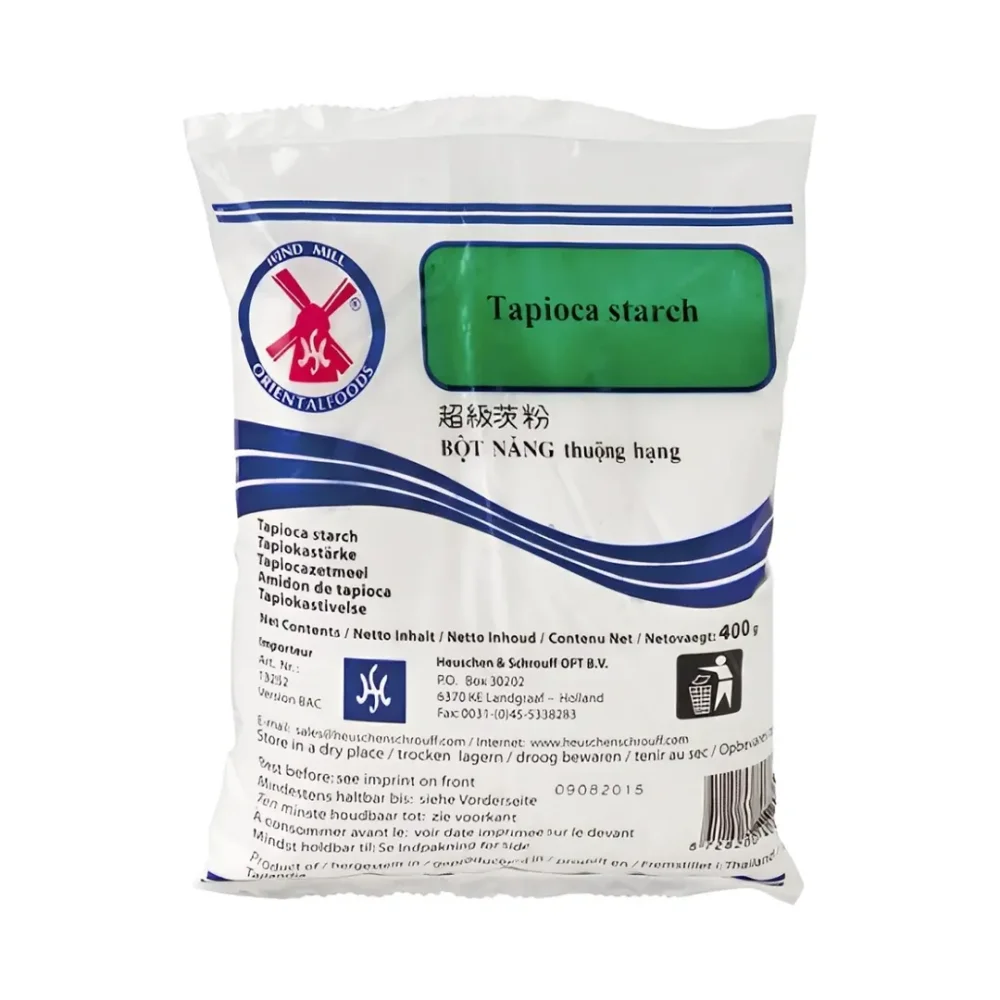
4) Wheat starch: fine and (semi)translucent coatings, especially important for dim sum
Wheat starch is less known in European cuisine than regular wheat flour, but it is very important in some Chinese and dim sum techniques. It allows you to create light to semi-translucent dough that behaves differently than classic wheat flour with gluten.
Typical uses are some dim sum wrappers and more translucent doughs for dumplings. It is often used in specific combinations with tapioca or other starches.
A concrete example where it makes sense to watch is: in some shrimp dumplings like har gow the combination of wheat starch and another starch is the key to the characteristic delicately translucent wrapper.
5) Coating mixes: when you want crispiness without complicated mixing
For home practice, it is useful to know that a "crispy coating" often does not rely on a single ingredient. Many processes work on a combination of starch and flour – and that is exactly why there are ready-made mixes aimed at a specific result.
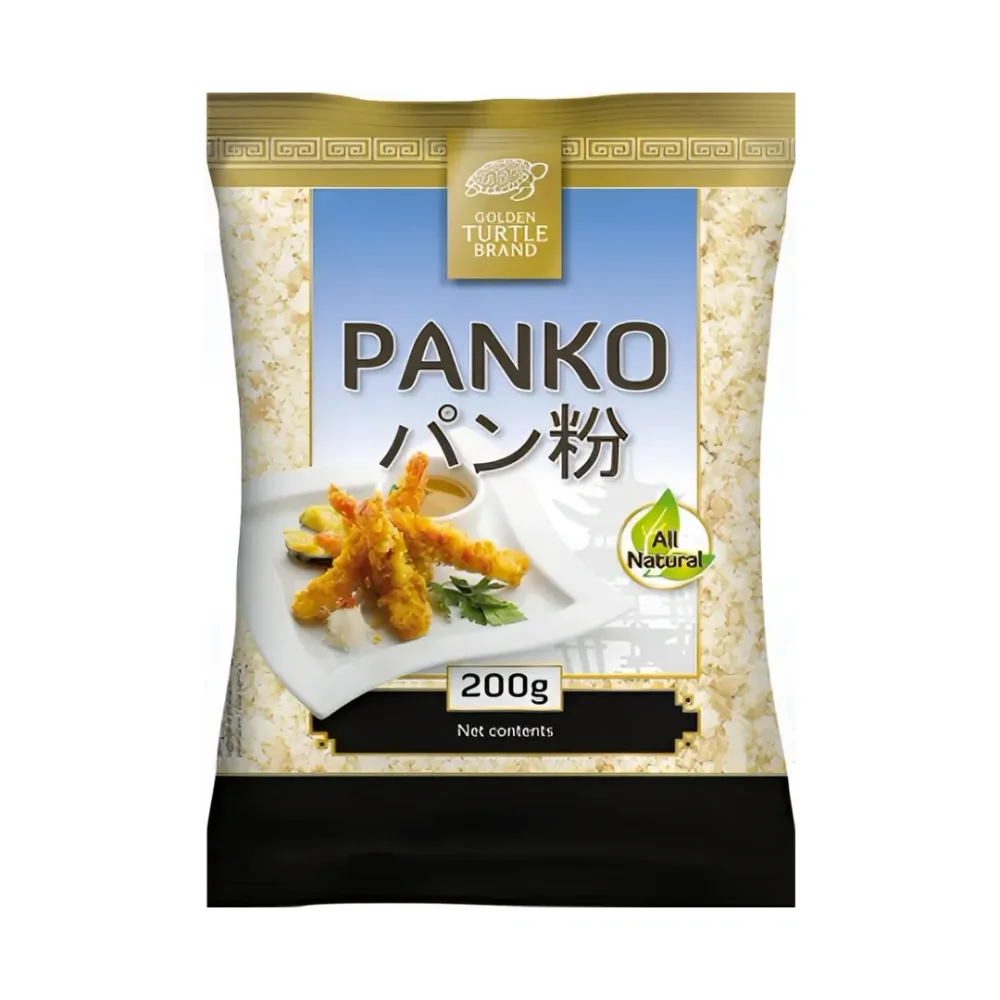
In Japanese frying style, for example, you typically encounter tempura (light, airy batter) and panko breadcrumbs (distinct crispiness). To illustrate: Gogi Tempura 150 g is an example of a mix for light, crispy batter, and Golden Turtle Chef Panko breadcrumbs shows the other approach – a crispy coating based on a specific breadcrumb structure.
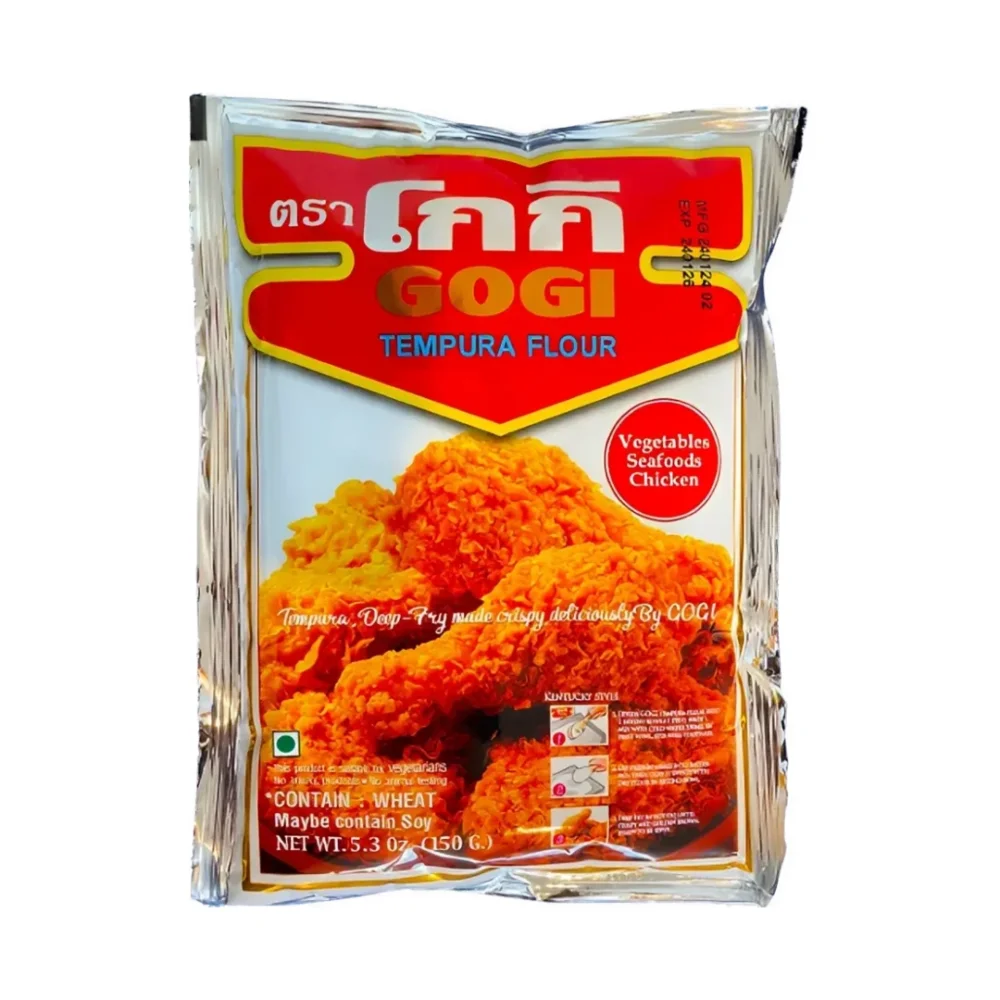
🍳 Practical use at home: what to watch out for to get the texture right
Thickening sauces and soups: starch determines smoothness and shine, but requires prep in advance
If you want thickening and a glossier, smoother effect in Asian food, starches are typically used. The practical difference compared to "randomly adding" is in timing and preparation: in quick cooking (stir-fry, wok, noodle pans) there is no time to find and mix starch as you go.
That’s why it’s worth doing a mise en place (prepared ingredients in advance) even for starch: have it measured and ready to use before turning on the high heat. This is one detail that often separates "it works" from "it's lumpy and uncontrolled."
Coating and frying: light crispiness often comes from a combination
When the goal is a delicate coating and light crunch, a combination of starch and flour often works – and in some styles also a ready-made mix. Tempura typically has the "light, airy crust" effect that doesn’t hide the flavor of the ingredient. Panko coatings, on the other hand, aim for more pronounced crispiness.
Practical note on ingredient prep: a common problem with frying and quick sautéing is too much moisture on the surface (the ingredients then tend to steam rather than fry and crisp). In fast techniques, preparation of the ingredients matters as much as the flour/starch.
Dumplings and dim sum: the wrapper is as important as the filling
For dumplings (Asian pockets and small dumplings), the wrapper matters as much as the filling for the result. Various "families" meet in practice:
- Wheat wrapper (typically in jiaozi, gyoza, mandu, and wontons): can be thicker or thinner, elastic and slightly chewy, suitable for boiling, steaming, or pan-frying.
- Starch translucent wrapper (typically in har gow and some dim sum pieces): finer, more delicate, and glossy to translucent after steaming.
- Leavened dough (e.g., bao): soft, fluffy, rich.
If you are attracted to the translucent dim sum style, it’s worth knowing that the key is working with starches – for example wheat starch in combination with other starches (tapioca is also often mentioned).
🍳 Sweet preparation: mochi, tapioca, and desserts are more about "texture" than flour
In the sweet part of Asian cuisine, baking in the oven is not the only path. Steaming, boiling, setting, or chilling are also important – which is why rice flours and starches have such a big role. Tapioca is essential for elasticity, shine, and gelatinous texture, glutinous rice flour for typical stretchiness (e.g., in mochi).
If an Asian dessert has ever seemed "different from European," it is often not due to lack of sugar, but deliberately chosen texture.
How to read labels: a quick check that saves disappointment
For flours and starches, the label is often more important than the marketing name. When choosing, it helps to watch mainly:
- whether it is flour or starch,
- what the product is actually made from,
- whether the product is pure, or if it is a mix,
- whether it is regular rice flour (common rice flour), or glutinous rice flour (glutinous rice flour),
- for tapioca pearls, whether they are pure starch, or sweetened and colored,
- for "glass" noodles, whether they are made from mung bean starch, tapioca or sweet potato starch.
Typical confusions worth remembering:
- Glutinous rice flour is not wheat flour and does not automatically mean it contains gluten.
- Sweet potato noodles are often not made from sweet potato flesh, but from starch.
- Rice flour is not the same as sweet rice flour.
- Glass noodles are not a single type of noodle, but a broader group of products made from various starches.
Most common mistakes and errors (and how to avoid them) ⚠️
- Confusing rice flour and glutinous rice flour: both are "rice", but behave very differently. If a recipe relies on elasticity and chewiness (mochi, rice dumplings), regular rice flour will not give you the same effect.
- The feeling that "starch is starch": in Asian cuisine this often does not hold true. For translucent and glassy results, it depends on the specific type (tapioca, sweet potato starch, wheat starch).
- Trying to get flavor from starch: tapioca and starches in general are mainly textural ingredients. The flavor comes from sauce, broth, syrup, or a coconut base into which the starch "fits".
- Chaotic preparation in quick cooking: in wok/stir-fry techniques it is essential to have the ingredients prepared in advance (including starch). Once cooking starts, there is no room for it and the result easily breaks into lumps, burnt aromatics, or a "steamed" pan instead of stir-frying.
- Underestimating surface moisture: if something is meant to be crispy (coating, roasting), a surface that is too wet typically does not help. In Asian practice, this is often also addressed by how the ingredients are prepared beforehand.
What to take away from the article
- Flours and starches in Asian cuisine often do not determine flavor, but texture (crispiness, elasticity, gloss, translucency, glassiness).
- The fastest orientation is by the goal: thickening and gloss (starch), chewiness and elasticity (glutinous rice flour), light crispness (combination / mixes), translucency (tapioca, wheat starch and other starches).
- Tapioca is typical for a gel-like, smooth, and translucent texture – great for desserts and some thickenings, but can be rubbery or mushy if prepared poorly.
- Wheat starch is important mainly for some dim sum wrappers where you want a finer and (semi)translucent effect (e.g. har gow style).
- It pays off to read packaging: rice flour vs sweet rice flour, glutinous as a source of mistakes, and "glass noodles" as a broad starch category.

Read next
If you want to explore this topic further, continue with these related blog guides and articles:
