Česky (CZK)
 Slovensky (EUR)
 Deutsch (EUR)
 Austria
 Belgium
 Bulgaria
 Croatia
 Denmark
 Estonia
 Finland
 France
 Germany
 Greece
 Hungary
 Italy
Italy Latvia
 Lithuania
 Luxembourg
 Netherlands
 Poland
 Portugal
 Romania
 Slovenia
 Spain
Spain Sweden










Potato Starch: The Quiet Trick Behind Extra Crispy Coatings and Silky Sauces
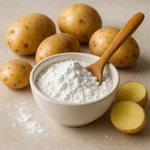
🥔 What potato starch is (and what it isn’t)
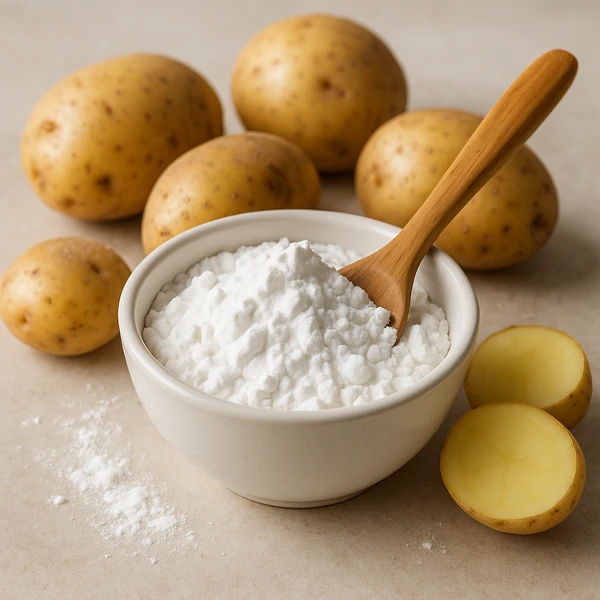
Potato starch is a fine, white powder extracted from potatoes. It’s essentially neutral in flavor and aroma, which is why it’s prized as a “technical” ingredient: it changes texture far more than taste.
Don’t confuse it with potato flour. Potato flour is made from cooked, dried potatoes and has a stronger potato flavor and a heavier thickening style. Potato starch, by contrast, thickens cleanly and can give sauces a translucent, glossy finish.
In East Asian cooking you’ll meet it in different forms and names (for example, Japanese katakuriko is often potato starch). It’s used both for thickening and for creating coatings that fry up crisp without feeling bready.
🍳 Why it’s a staple in Asian-style cooking
Many Asian dishes are built around texture contrasts: crisp against tender, slippery noodles against clingy sauce, juicy meat protected by a thin coating. Starches help control those textures quickly.
- Glossy sauces that cling: A small amount thickens a stir-fry sauce so it coats each piece instead of pooling at the bottom.
- Light, crisp frying: Potato starch can fry up crackly and delicate, often lighter than wheat flour coatings.
- Tender “velveted” meat: A little starch in a marinade helps protect meat from high heat, keeping it juicy.
🔥 How to use potato starch (practical methods)
1) Thickening sauces and soups with a slurry
The key is simple: never add dry starch directly to hot liquid. It will clump.
Basic slurry ratio: mix 1 teaspoon potato starch with 1 tablespoon cold water (or stock). Stir until smooth, then drizzle into the simmering sauce while stirring. Give it 20–40 seconds to thicken.
When to add it: near the end of cooking. Potato starch thickens quickly; long boiling can make the texture turn looser again.
2) Stir-fry “finish” for shine and coating power
If your stir-fry tastes great but the sauce feels watery, potato starch is the fix. Add your seasonings (soy-based sauce, aromatics, sugar, vinegar, stock), bring to a simmer, then thicken with a small slurry until the sauce lightly coats the spoon—and the ingredients.
Tip: the sauce usually needs to be slightly looser in the pan than you want on the plate; it will tighten as it cools for a minute.
3) Crisp coatings for tofu, chicken, seafood, mushrooms, and vegetables
Potato starch is excellent for dry dredging. It creates a thin coat that browns fast and stays crisp when treated well.
- Dry the surface: pat ingredients dry (especially tofu, mushrooms, and seafood).
- Season first: salt and pepper, or a quick marinade—then drain well.
- Dredge lightly: toss in potato starch, then shake off excess.
- Rest 3–5 minutes: this helps the starch hydrate slightly and stick better.
- Fry hot: a properly heated pan or oil helps set the crust quickly, reducing greasiness.
For extra crunch, many cooks use a double-fry method (brief first fry to set the coating, short second fry to crisp).
4) “Velveting” for tender stir-fry meat
Velveting is a common technique in Chinese-style stir-fries. A typical approach is to marinate sliced meat with a little starch plus seasoning (and often egg white and/or a splash of cooking wine). The starch forms a thin protective layer so the meat stays tender during high-heat cooking.
Simple home version: for about 250 g sliced chicken or pork, mix 1–1½ teaspoons potato starch with soy sauce, a little water, and oil; coat the meat, rest 10–15 minutes, then stir-fry quickly.
🧪 Potato starch vs cornstarch vs tapioca: what changes?
All three are useful, but they behave differently.
- Potato starch: very smooth thickening, often a clear/glossy look; great crispness for frying; can turn slightly “gel-like” if overused.
- Cornstarch: common all-purpose thickener; slightly more opaque finish; crisp coating too, but often a different crunch.
- Tapioca starch: more elastic/chewy thickening; useful for certain desserts and bouncy textures.
Substitution rule of thumb: in many sauces you can swap potato starch and cornstarch roughly 1:1, but potato starch can thicken a bit more strongly. If you’re unsure, start with about ¾ of the amount, then adjust.
💡 Common mistakes (and how to avoid them)
- Lumps: always dissolve in cold liquid first; stir the slurry again right before pouring (starch settles fast).
- Too thick / jelly-like sauce: add slurry in small increments and stop early. You can always add more, but thinning a gelled sauce often dilutes flavor.
- Starch “breaking” after boiling: avoid prolonged hard boiling once thickened; keep it at a gentle simmer.
- Soggy fried coating: food wasn’t dry enough, oil wasn’t hot enough, or coating was too thick. Light dredge + proper heat makes the biggest difference.
🥢 Quick 5-minute idea: a glossy stir-fry sauce base
Use this when you want a simple, clingy sauce for vegetables, noodles, tofu, or meat.
- 2 tablespoons soy sauce
- 2 tablespoons stock or water
- 1 teaspoon sugar (optional)
- 1–2 teaspoons rice vinegar (optional)
- Garlic/ginger to taste
- Slurry: 1 teaspoon potato starch + 1 tablespoon cold water
Simmer the sauce ingredients for 30–60 seconds, stir the slurry, then drizzle it in until the sauce looks glossy and lightly coats the ingredients.
❓ FAQ
Is potato starch gluten-free?
Pure potato starch is naturally gluten-free, but if you’re cooking for someone with celiac disease, choose a product that is explicitly labeled gluten-free to avoid cross-contamination.
Can I add potato starch directly into a hot soup?
It’s better not to. Mix it with cold water first to make a smooth slurry, then add while stirring.
Why did my sauce turn thick and then thin again?
Starch-thickened sauces can loosen if boiled hard or cooked too long after thickening. Add the slurry near the end and keep the heat gentle.
Why is my fried coating not crispy?
Most often: the ingredients were wet, the oil/pan wasn’t hot enough, or the coating was too heavy. Pat dry, dredge lightly, and fry at a steady high temperature.
How should I store potato starch?
Keep it airtight in a cool, dry place. Moisture causes clumping and reduces performance; if it clumps, sift before use.

Recommended products1
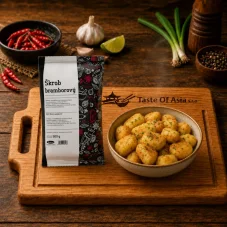
Drana Potato Starch 500 g
Read next
If you want to continue with the same topic, here are more related articles to explore: