Česky (CZK)
 Slovensky (EUR)
 Deutsch (EUR)
 Austria
 Belgium
 Bulgaria
 Croatia
 Denmark
 Estonia
 Finland
 France
 Germany
 Greece
 Hungary
 Italy
Italy Latvia
 Lithuania
 Luxembourg
 Netherlands
 Poland
 Portugal
 Romania
 Slovenia
 Spain
Spain Sweden










Thai Green Curry: the fresh, herbal classic for coconut sauces and quick stir-fries
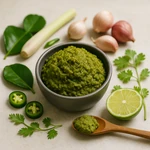
🌿 What Thai green curry actually is
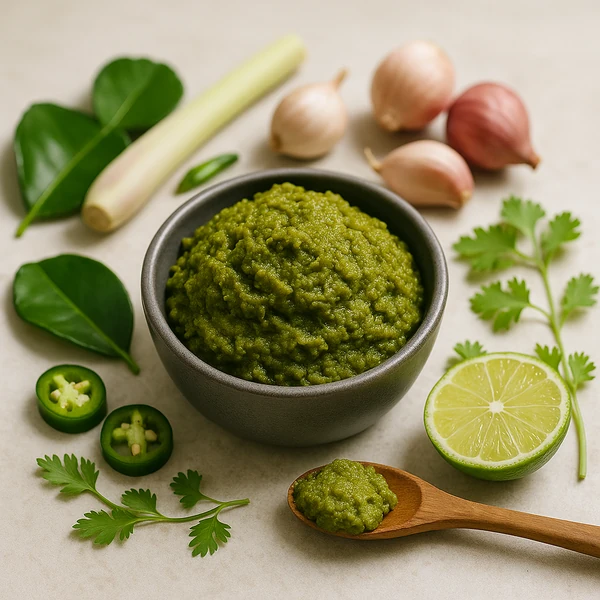
Despite the name, Thai green curry isn’t a “powder curry” in the way many people imagine. It’s typically built from a green curry paste: a concentrated blend of fresh aromatics and spices that gets briefly cooked to release its essential oils, then turned into a sauce—most commonly with coconut milk.
The “green” refers to the paste’s color, usually coming from green chilies and green herbs. Compared with many other curry styles, green curry tends to taste brighter and more herbal—but it can still be seriously spicy depending on the paste and how much you use.
🌶️ Flavor profile: fresh, creamy, and punchy
A good green curry hits several notes at once:
- Herbal freshness (think leafy, citrusy, peppery aromas)
- Creamy richness from coconut milk 🥥
- Chili heat that builds as you eat (from mild to fiery)
- Balance from seasoning: usually salty (fish sauce), a touch of sweetness (sugar), and a lift of acidity (lime)
This balance is why green curry works so well with neutral sides like rice—and why it can also “wake up” quick stir-fries with just a spoonful of paste.
🍳 How to cook with green curry paste (the method that makes it taste restaurant-level)
If you only remember one technique, make it this: bloom the paste before adding liquids. That short step is what turns “spicy” into “fragrant.”
- Heat a little oil in a pan or wok.
- Add curry paste and stir for 30–60 seconds until intensely aromatic (don’t let it scorch).
- Add coconut milk in stages, stirring to dissolve the paste evenly. Let it simmer gently.
- Season to balance: saltiness (fish sauce or soy sauce), a little sweetness, then finish with lime juice.
- Add protein and vegetables and cook just until done—overcooking dulls the fresh, green character.
Quick tip 💡 If your coconut milk separates, don’t panic. Many Thai curries naturally split a little and still taste great. Keep the heat to a gentle simmer once the sauce is formed.
🍚 What to pair with green curry (so the flavors stay clear)
Green curry loves ingredients that can handle bold aromatics without getting lost.
- Coconut milk 🥥: the classic base that softens heat and carries aroma.
- Rice 🍚: jasmine rice is the usual match; it soaks up sauce and keeps the meal balanced.
- Proteins: chicken, shrimp, firm tofu, or fish—choose something that cooks quickly and stays tender.
- Vegetables: eggplant, green beans, peppers, zucchini, mushrooms—aim for a mix of tender and crisp.
- Fresh finish: lime, Thai basil or cilantro, and something crunchy (fried shallots, roasted peanuts) for contrast.
🥥 Beyond curry: 4 easy ways to use green curry
- Coconut curry sauce: the classic “curry and rice” bowl—fast, filling, and forgiving.
- Stir-fry booster: fry a small spoon of paste in oil, add vegetables and a protein, then finish with a splash of coconut milk or stock.
- Soup base: thin the curry with broth, add noodles, greens, and tofu for a quick, aromatic soup.
- Marinade: mix paste with a little oil (and optionally coconut milk) for chicken, tofu, or roasted vegetables.
💡 Choosing a green curry paste: what to check before you buy
Green curry pastes vary more than people expect. When comparing options, look at:
- Heat level: some are herb-forward and medium, others are aggressively hot.
- Shrimp paste / fish ingredients: common in traditional pastes; important if you cook vegetarian.
- Salt and sweetness: a saltier paste may need less fish sauce; a sweeter one can become cloying with coconut milk.
- Texture and aroma: a paste should smell vivid and herbal, not just “chili hot.”
If you’re exploring different Thai curry styles in general, browsing a well-organized curry selection can help you compare formats and brands in one place: Kari pastes.
Common mistakes (and how to fix them)
- Skipping the paste “fry” step: your curry will taste flat. Always bloom the paste briefly first.
- Boiling hard for a long time: it mutes the fresh green notes. Keep it at a gentle simmer.
- Adding lime too early: acidity can turn dull or bitter with long cooking—add it at the end.
- Overloading the pan: too many ingredients cool the sauce and steam everything. Cook in batches if needed.
- Heat got out of hand: add more coconut milk, a touch of sugar, and serve with extra rice to rebalance.
15-minute weeknight green curry (a practical template)
This isn’t a strict recipe—think of it as a reliable workflow you can repeat with whatever is in your fridge.
- Cook rice.
- Bloom 1–2 teaspoons of green curry paste in oil.
- Add coconut milk and simmer 2 minutes.
- Add sliced chicken or tofu; cook until nearly done.
- Add quick-cooking vegetables; simmer until crisp-tender.
- Season: fish sauce or soy sauce, a little sugar, then lime juice at the end.
Once you have the balance right, green curry becomes one of the easiest ways to turn “basic ingredients” into a meal with real depth.
Our picks: other Thai curry styles to try
If you like green curry’s coconut richness but want a different spice profile, these pastes are worth exploring:
- Cock Brand Paste Kari Panang 400 g – creamy, nutty, and usually less “green-herbal” than green curry.
- Cock Brand Kari Matsaman Paste 400 g – warm spices and a milder, comforting character.
- Lobo Panang curry paste 50 g – a small pack for trying Panang without committing to a big tub.
Related categories
FAQ
Is green curry always very spicy?
Not always, but it often runs hotter than it looks. Start with a smaller amount of paste and build up after tasting.
Can I make green curry vegetarian?
Yes—use tofu and vegetables, and choose a paste without shrimp paste/fish ingredients. Season with soy sauce or a vegan “fish sauce” alternative.
How do I store curry paste after opening?
Keep it tightly sealed in the fridge. For longer storage, portion it and freeze; it thaws quickly and keeps its aroma better than you’d expect.

Recommended products1

Drana Green Curry 500 g
Read next
If you want to continue with the same topic, here are more related articles to explore: