

 Česky (CZK)
 Slovensky (EUR)
 Deutsch (EUR)
 Austria
 Belgium
 Bulgaria
 Croatia
 Denmark
 Estonia
 Finland
 France
 Germany
 Greece
 Hungary
 Italy
Italy Latvia
 Lithuania
 Luxembourg
 Netherlands
 Poland
 Portugal
 Romania
 Slovenia
 Spain
Spain Sweden










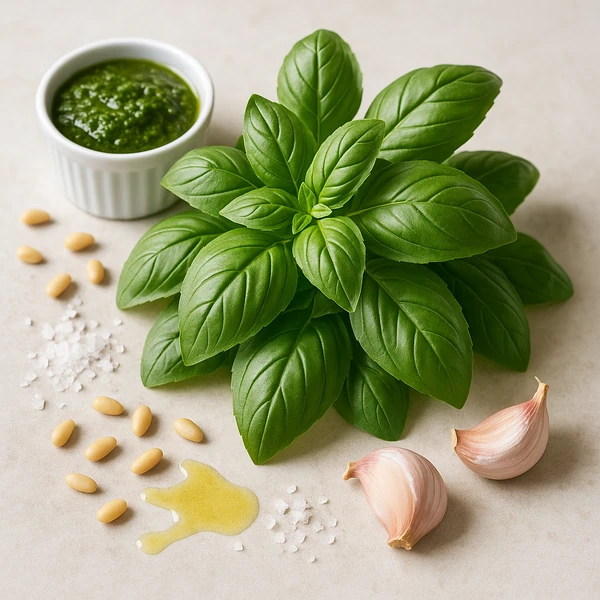
Basil: the Fragrant Herb That Lifts Mediterranean Classics and Asian Favorites
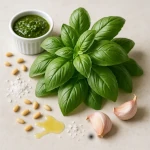
Some herbs play a supporting role. Basil tends to steal the scene—in a good way. Its essential oils are potent but delicate, which is why basil can taste vibrant and “green” when treated gently, yet flat or bitter when handled the wrong way. Once you understand a few simple rules (timing, heat, and cutting), basil becomes an easy tool for making food taste more finished—whether you’re cooking Mediterranean comfort food or fast, high-heat Asian dishes.
🌿 What basil is (and why there are several “basils”)
Basil refers to a group of aromatic plants in the Ocimum family. In many European kitchens, “basil” usually means sweet basil (the classic pesto variety). In Southeast Asia, however, you’ll often meet different types with distinct aromas that stand up to bold sauces, chiles, and fermented seasonings.
- Sweet basil: soft, rounded sweetness; familiar pesto-and-tomato profile.
- Thai basil: more assertive, often with an anise/licorice note; great for stir-fries and curries.
- Holy basil (tulsi): peppery, clove-like and very distinctive; not a direct substitute for sweet basil.
- Lemon basil: citrusy lift; useful in light soups, seafood, and salads.
If you only have sweet basil on hand, it can still work in many Asian dishes—just treat it gently and add it late so the fragrance stays intact.
👃 Flavor & aroma: fresh vs. dried
Basil’s signature character comes from aromatic compounds that evaporate quickly with prolonged heat. That’s why fresh basil tastes brightest when used raw or added at the end.
- Fresh basil: vivid, leafy, lightly sweet; ideal for finishing, garnishing, and cold preparations.
- Dried basil: softer, more rounded and slightly “warmer” in tone; better for sauces, bakes, and long-simmered dishes where you want a steady herbal background.
Practical rule: use dried basil early (so it rehydrates and blooms) and use fresh basil late (so it stays aromatic).
🍳 How to use basil without losing its magic
Best moments to add basil
- As a finish: stir into hot food right before serving (pasta, soups, wok dishes, curries).
- Raw: tear over salads, sandwiches, and cold noodles; mix into dips and dressings.
- In slow-cooked dishes: choose dried basil, or add fresh basil in two stages (a little near the end, plus more on top).
Handling tips that make a real difference
- Tear more, chop less: tearing reduces bruising and helps avoid a muddy, bitter note—especially for delicate sweet basil.
- Keep the knife sharp: if you do slice, use clean cuts; crushing releases more bitter compounds.
- Don’t cook it for minutes: a few seconds in a hot pan or a quick stir into a bowl is often enough.
- Balance with acid: a squeeze of lemon/lime or a splash of vinegar can make basil taste even fresher.
🌶️ Basil in Asian cooking: where it shines
In many Asian dishes, basil acts as a fresh counterpoint to salty, sweet, and spicy flavors. It can lighten rich coconut-based sauces, lift stir-fries, and add a clean top note to brothy soups.
Easy, reliable uses
- Stir-fries: add basil at the very end, toss for 10–20 seconds, then serve immediately.
- Coconut curries: stir in a small handful off the heat; top with extra leaves for a brighter aroma.
- Noodle soups: add to the bowl, not the pot, so the fragrance hits first when you serve.
Flavor friends in Asian-style dishes include garlic, ginger, chile, lime, and savory seasonings such as soy sauce or fish sauce. Basil also pairs especially well with lightly sweet elements (coconut milk, palm/cane sugar, sweet chili notes) because it keeps the overall taste from feeling heavy.
Flavor pairings that rarely fail
| Direction | Try basil with… | Good for… |
|---|---|---|
| Mediterranean | tomatoes, olive oil, garlic, mozzarella, balsamic | salads, pasta, pizza finishing |
| Fresh & light | lemon/lime, cucumber, avocado, yogurt | dips, bowls, summer plates |
| Asian-inspired | chile, ginger, garlic, lime, coconut milk, soy/fish sauce | stir-fries, curries, noodle soups |
| Roasted & grilled | lemon zest, black pepper, chili flakes, roasted vegetables | marinades, sheet-pan meals, finishing oil |
How to choose basil (fresh and dried)
Fresh basil
- Look for: vibrant green leaves, perky stems, no slimy spots.
- Avoid: blackened edges, wet packaging, strong “fermented” smell (a sign it’s breaking down).
- Smell test: even without rubbing, it should be noticeably fragrant.
Dried basil
- Color matters: it should still look greenish, not dusty brown.
- Fragrance matters more: crush a pinch—if it smells faint, you’ll need much more for less impact.
- Use wisely: add early to sauces and stews so it has time to hydrate.
🧊 Storage: keep the aroma, avoid the black leaves
Fresh basil
- Counter method (often best): treat it like a bouquet—stems in a glass of water, leaves above the waterline. Keep at room temperature out of direct sun.
- If refrigerating: basil is cold-sensitive and can darken; only refrigerate if your kitchen is very warm, and protect it from moisture and cold drafts.
- Longer storage: freeze basil in small portions (for example, chopped with a little oil in ice cube trays). Frozen basil is better for cooked dishes than for raw garnishing.
Dried basil
- Store airtight, in a cool, dark cupboard. Heat and light are the fastest way to lose aroma.
A quick, practical idea (no recipe drama)
Fast basil finishing oil: Tear a small handful of basil, add a pinch of salt, and stir with a few tablespoons of olive oil (or a neutral oil if you want a lighter taste). Spoon it over hot noodles, grilled vegetables, tomato dishes, or a curry right before serving. The warmth releases the aroma without “cooking out” the freshness.
❓ Basil FAQ
Should I chop basil or tear it?
Tearing is the easiest way to keep the flavor clean and avoid bruising. If you chop, use a very sharp knife and avoid overworking it.
Can I substitute dried basil for fresh?
Yes, but the flavor will be different: dried basil is less bright and more mellow. Use it earlier in cooking, and consider adding something fresh at the end (like lemon/lime) to bring back lift.
Why did my basil turn black?
Common causes are cold exposure (refrigerator chill), excess moisture, or bruising from rough handling. Keep it dry, handle gently, and store it like a bouquet at room temperature when possible.

Recommended products1
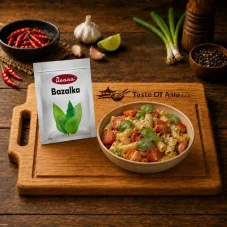
Drana Basil 8 g
Read next
If you want to continue with the same topic, here are more related articles to explore: