Česky (CZK)
 Slovensky (EUR)
 Deutsch (EUR)
 Austria
 Belgium
 Bulgaria
 Croatia
 Denmark
 Estonia
 Finland
 France
 Germany
 Greece
 Hungary
 Italy
Italy Latvia
 Lithuania
 Luxembourg
 Netherlands
 Poland
 Portugal
 Romania
 Slovenia
 Spain
Spain Sweden










Ground White Pepper: Subtle Heat for Asian Dishes and Everyday Classics
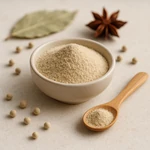
Most kitchens keep black pepper within arm’s reach, but ground white pepper deserves its own spot on the shelf. It isn’t “hotter” in a dramatic way—its strength shows up as a smooth, lingering warmth that blends into sauces and broths. That makes it especially useful in Asian cooking, where pepper is often used to support aromatics (ginger, garlic, scallion) rather than dominate them.
🌶️ What ground white pepper actually is
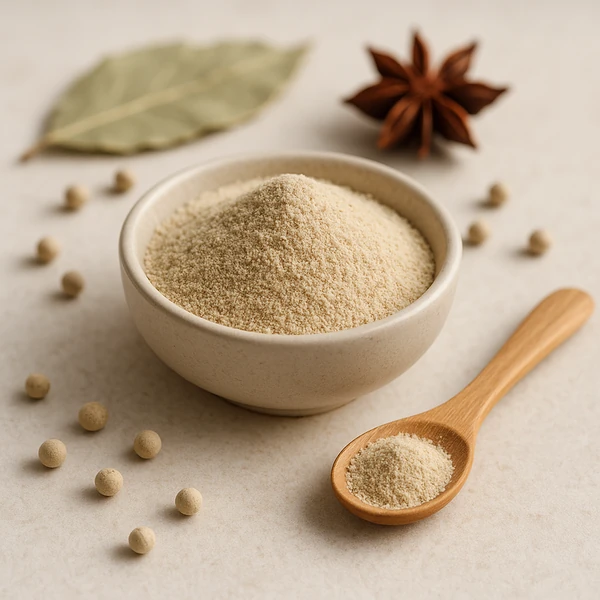
White pepper comes from the same plant as black pepper (Piper nigrum). The difference is processing: white pepper is made from fully ripe pepper berries with the outer skin removed, leaving a pale inner seed that’s dried and then ground. Because the skin is removed, the aroma and “shape” of the heat changes—less of the bright, piney bite people associate with black pepper, more of a rounded, warm pepperiness.
In many Asian cuisines, white pepper is a standard seasoning for soups, marinades, dumpling fillings, and stir-fries. It’s also a classic choice in European-style cream sauces and mashed potatoes for one simple reason: you get pepper flavor without visible specks.
✨ White vs. black pepper: the practical differences
- Looks: White pepper disappears into light foods (cream soups, béchamel, congee, gravy) where black pepper dots might stand out.
- Aroma: Black pepper tends to smell brighter and more “freshly cracked.” White pepper can read warmer and more earthy.
- How it lands in a dish: White pepper blends in; black pepper announces itself. Neither is “better”—they’re different tools.
If you cook both Asian food and European classics, having both peppers makes seasoning easier: choose based on the dish, not on habit.
🍜 Where white pepper shines (and why)
- Clear broths and noodle soups: A pinch at the end gives a gentle lift without clouding the flavor.
- Congee and rice porridge: White pepper’s warm heat is a traditional match for ginger and scallion.
- Stir-fries: It boosts savory, umami-rich sauces without the sharper edge of black pepper.
- Seafood and tofu: Especially good when you want subtle warmth rather than chili heat.
- Creamy dishes: Potato mash, cream soups, velouté, béchamel, chicken gravy—pepper flavor with a clean look.
🧑🍳 How to use it so it tastes balanced (not harsh)
Start smaller than you think
Ground white pepper can feel mild at first and then build quickly. Begin with a small pinch, stir well, wait a moment, then taste again. Its heat often blooms after it has a chance to warm through the dish.
When to add it
- Early in cooking: The heat softens and becomes more integrated—useful for stews, broths, and long-simmering sauces.
- Late in cooking: You keep more aroma and a brighter pepper note—ideal for finishing soups, noodles, and stir-fries.
Common mistakes to avoid
- Dumping it in all at once: Too much can read as dull or overly earthy. Add in stages.
- Seasoning without tasting: If your dish already contains salty sauces (soy sauce, oyster sauce, fish sauce), you may need less pepper than usual.
- Using old, stale pepper: Ground spices fade. If the aroma is weak, you’ll add more—then end up with heat without fragrance.
🍽️ Flavor pairings that work especially well
- Ginger + scallion + garlic: A classic base where white pepper rounds everything out.
- Soy-based sauces: Enhances savoriness and gives a gentle “lift” to umami.
- Vinegar and citrus: A pinch can balance sour notes, especially in dipping sauces and light broths.
- Coconut milk and mild curries: Adds warmth without fighting the creamy profile.
🛒 Choosing ground white pepper: what to look for
- Ingredient list: Ideally, it’s just “white pepper.” Blends can be useful, but you’ll want to know what else is inside.
- Packaging: Airtight containers matter because ground pepper loses aroma faster than whole peppercorns.
- Color and scent: It should smell clean and peppery. If it seems flat or “dusty,” it may be old.
Tip: If you use white pepper often, consider keeping whole white peppercorns as well and grinding small amounts fresh. Ground is convenient; fresh-ground is more aromatic.
📦 Storage tips to keep the aroma
- Keep it dry and dark: Light and moisture dull spices quickly.
- Seal it tightly: Oxygen is the enemy of fragrance—close the lid right away.
- Avoid storing next to the stove: Heat and steam shorten shelf life.
⏱️ A quick, no-recipe way to use it tonight
Try white pepper as a finishing seasoning:
- Soup finish: Add a small pinch to a bowl of chicken broth or ramen just before serving, then taste and adjust.
- Eggs: Scrambled eggs or omelets take on a gentle warmth with white pepper—especially good with scallions.
- Mashed potatoes: Add near the end with butter and milk for pepper flavor without black specks.
Our picks (what’s useful to have on hand)
- Ground white pepper: for quick seasoning and finishing.
- Whole white peppercorns: for fresh grinding when aroma is the priority.
Related categories
- Spices & seasonings (especially peppers and aromatics like ginger and garlic).
- Soup and broth ingredients for Asian-style noodle soups and light broths.
FAQ
- Is white pepper less spicy than black pepper?
- Not necessarily. It often feels different rather than weaker—more rounded and lingering, less sharp at the front.
- Why does white pepper sometimes smell stronger or “earthier”?
- That’s part of its character and processing. It becomes unpleasant mainly when it’s old or overdosed. Use a light hand and keep it fresh.
- Can I swap white and black pepper 1:1?
- You can, but it’s better to start with a smaller amount of white pepper and adjust—especially in delicate soups and cream sauces.
Ground white pepper is a small change that can make food taste more finished: warmer soups, cleaner-looking sauces, and better-balanced stir-fries—without turning the dish into “pepper-forward” cooking.

Recommended products1
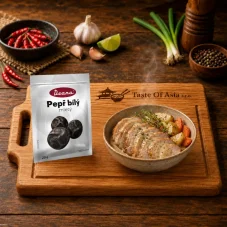
Drana Ground White Pepper 20 g
Read next
If you want to continue with the same topic, here are more related articles to explore: