

 Česky (CZK)
 Slovensky (EUR)
 Deutsch (EUR)
 Austria
 Belgium
 Bulgaria
 Croatia
 Denmark
 Estonia
 Finland
 France
 Germany
 Greece
 Hungary
 Italy
Italy Latvia
 Lithuania
 Luxembourg
 Netherlands
 Poland
 Portugal
 Romania
 Slovenia
 Spain
Spain Sweden










Chives: the gentle herb that lifts soups and Asian-style bowls
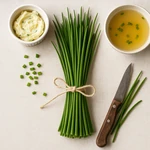
🌿 What chives are (and why they taste so “clean”)
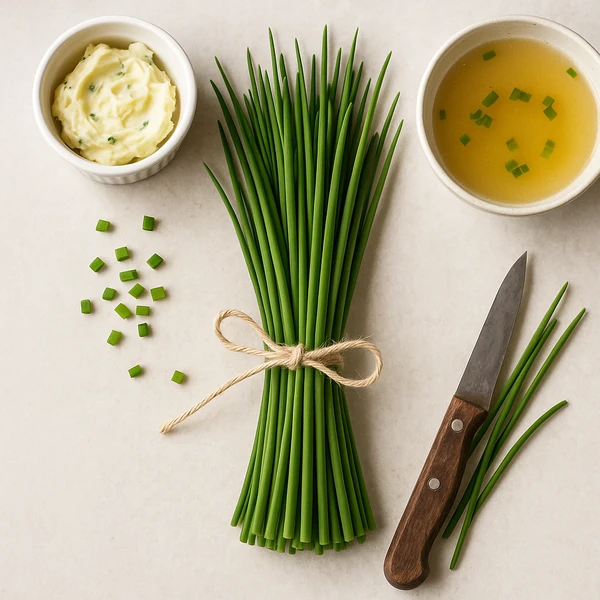
Chives are part of the allium family—related to onions, garlic, and leeks—but their flavor is much milder than raw onion. Instead of sharp bite, you get a light, slightly sweet onioniness and a fresh, grassy aroma. That’s why chives work especially well as a finishing herb: they add lift and clarity without taking over the dish.
You’ll most often see chives used fresh and finely chopped. Dried chives are also useful, particularly when you want convenience and a softer, rounder flavor that blends into soups and sauces.
🍜 Why chives fit Asian-inspired cooking so well
Many Asian dishes balance rich umami with something bright and fresh on top—think of herbs over noodle soup, or a green accent on a rice bowl. Chives can play that role when you want an allium note but don’t want the stronger punch of raw onion or even scallion whites.
They’re a natural match for flavors commonly found across East and Southeast Asian cooking: soy sauce, sesame, ginger, chili, citrus, and deeply simmered broths. Used as a final sprinkle, chives add contrast—like a quick “reset” for the palate between bites.
✅ How to use chives so they actually taste good
- Add at the end: Stir into soup after turning off the heat, or sprinkle over noodles and rice bowls right before serving. This protects the aroma.
- Keep the cut small: Fine cuts distribute flavor evenly; long pieces can feel stringy and concentrate the onion note in one bite.
- Use gentle heat only: Chives lose their character with prolonged cooking. Warm them briefly in residual heat rather than boiling them.
- Dried chives need moisture: If using dried, give them a minute or two in a hot soup, sauce, or dressing so they can rehydrate and become more aromatic.
🍚 Best pairings: where chives shine
Broths, ramen-style soups, and miso
Chives are excellent on top of clear broths and miso-style soups, where their fresh aroma stands out. Add them after the bowl is poured—especially if your soup is already seasoned with soy, miso, or toasted sesame.
Noodles and rice bowls
For stir-fried noodles, fried rice, bibimbap-style bowls, or simple steamed rice with toppings, chives work like a “finisher” herb. Sprinkle right at the end, ideally with something aromatic (sesame oil, chili oil, toasted sesame seeds) for contrast.
Eggs, tofu, and mild proteins
Chives pair beautifully with eggs (omelets, scrambled eggs, soft-boiled eggs) and with tofu, where they add flavor without masking delicate textures. They also work well on fish dishes that need a light onion accent without heaviness.
Dips, dressings, and cold sauces
Chives are at their most expressive in cold preparations: yogurt-based dips, sour-cream sauces, mayonnaise dressings, or quick vinaigrettes. If you’re building an Asian-inspired dip, try chives with soy sauce, rice vinegar or citrus, and sesame.
🔥 Common mistakes (and how to avoid them)
- Cooking them like an onion: Sautéing chives for a long time flattens the flavor. If you want warm chives, add them last and let the heat of the dish do the work.
- Adding too early to soup: Long simmering makes them dull and sometimes slightly “muddy.” Add when serving.
- Chopping far ahead of time: Cut chives close to mealtime. The aroma fades quickly once chopped.
- Overusing them: Chives are gentle, but a big handful can still dominate. Start small and adjust.
🧊 Choosing and storing chives (fresh and dried)
Fresh chives: what to look for
- Deep green color, no yellowing
- Firm, upright stems (not limp or slimy)
- A fresh, onion-green scent (not sour)
Fresh chives: storage tips
- Refrigerate wrapped in a slightly damp paper towel inside a bag or container.
- Trim only what you need; keep the rest intact for longer freshness.
- For longer storage, chop and freeze—use straight from frozen as a finishing herb on hot dishes.
Dried chives: storage tips
- Keep tightly sealed, away from heat and sunlight.
- Use within a reasonable time after opening—dried herbs don’t “spoil” quickly, but they do lose aroma.
🤔 Substitutes when you don’t have chives
If you need a similar effect, the green tops of scallions are the closest everyday substitute (use a smaller amount if they’re strong). Garlic chives are also an option, but they bring a distinct garlicky character. In a pinch, very finely minced shallot can work—just use sparingly so it doesn’t turn harsh.
🍽️ Quick finishing idea: sesame-soy chive topper (no cooking)
For rice bowls, noodles, or tofu, mix:
- 2–3 tbsp finely chopped chives
- 1–2 tsp soy sauce
- 1 tsp toasted sesame oil
- A squeeze of lime or a few drops of vinegar (optional)
- Chili flakes or chili oil (optional)
Spoon a little over the dish right before serving. It’s a simple way to add aroma, a gentle onion note, and a fresh green finish.
Summary
Chives are a small addition with a big impact: mild allium flavor, bright aroma, and a clean “green” lift. Treat them like a finishing herb—add them at the very end, keep the cut fine, and store them well. Whether you’re topping a comforting soup or upgrading an Asian-style noodle or rice bowl, chives deliver freshness without stealing the spotlight.
Our picks
Relevant internal links for this topic:

Recommended products1
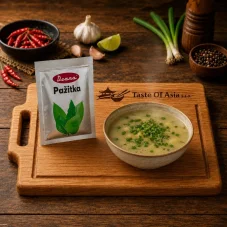
Drana Chives 5 g
Read next
If you want to continue with the same topic, here are more related articles to explore: