Česky (CZK)
 Slovensky (EUR)
 Deutsch (EUR)
 Austria
 Belgium
 Bulgaria
 Croatia
 Denmark
 Estonia
 Finland
 France
 Germany
 Greece
 Hungary
 Italy
Italy Latvia
 Lithuania
 Luxembourg
 Netherlands
 Poland
 Portugal
 Romania
 Slovenia
 Spain
Spain Sweden










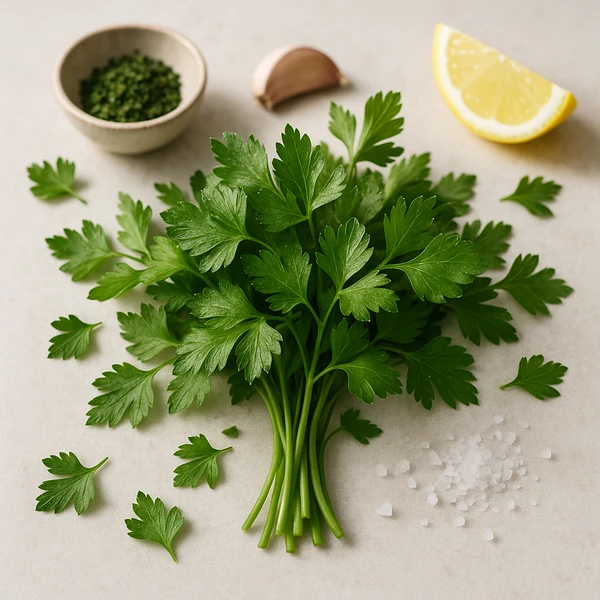
Parsley Leaf: the quiet herb that lifts soups, fish and marinades
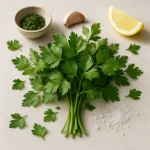
🌿 What parsley leaf brings to a dish
Parsley leaf (most often flat-leaf/Italian parsley) has a clean, herbal aroma with a lightly peppery “green” taste. It’s milder than cilantro and doesn’t dominate easily, which makes it a reliable finishing herb when you want clarity rather than a strong signature flavor.
In practical terms, parsley works like a “bridge” ingredient: it can connect familiar European-style comfort foods (broths, roasts, potatoes) with bolder seasonings often used in Asian-inspired cooking—garlic, chili, soy sauce, sesame, citrus—without clashing.
🍲 Where parsley shines (beyond just garnish)
- Soups and broths: Stir in near the end for a fresh lift, or use a small amount of dried parsley earlier to round out the overall taste.
- Fish and seafood: A light parsley finish pairs naturally with lemon/lime, garlic, black pepper, and buttery or olive-oil based sauces.
- Marinades: Adds a bright, herbal note that keeps marinades from tasting heavy—especially helpful with sweet-salty BBQ styles or chili pastes.
- Roasted vegetables and potatoes: A final sprinkle makes roasted flavors taste less “dense” and more complete.
- Dips and dressings: Great in yogurt-based sauces, tahini dressings, or quick vinaigrettes when you want freshness without sharpness.
🌱 Fresh vs. dried parsley: how to choose
Fresh parsley is best when you want a vivid aroma and a clean green finish—think garnish, salads, cold sauces, or a final stir into hot food right before serving.
Dried parsley is best for convenience and consistency. It blends easily into soups, sauces, rubs, and marinades, and it’s simple to dose. For a more lively result, rub dried parsley between your fingers before adding it, or let it hydrate briefly in a warm liquid (broth, pan juices, sauce) so it releases aroma more evenly.
🧂 Flavor pairings that work reliably
- Garlic, ginger, chili: Parsley softens harsh edges and adds a clean herbal top note.
- Citrus and vinegar: Lemon/lime and a little acidity make parsley taste brighter—especially on fish and grilled meats.
- Soy sauce and sesame: Use parsley as a subtle counterpoint to umami and nuttiness; add at the end so it stays fresh.
- Oil, butter, ghee: Fat carries parsley’s aroma—finishing with warm oil/butter plus parsley is often all a dish needs.
- Yogurt and creamy sauces: Parsley brings freshness without the “soapy” note some people perceive in cilantro.
⚠️ Common mistakes (and easy fixes)
- Adding fresh parsley too early: Long simmering dulls the aroma. Add fresh parsley in the last minute, or off-heat.
- Overdoing dried parsley: Dried herbs can taste dusty if used too heavily. Start small, then adjust after it has had a minute to bloom.
- Skipping the stems entirely: Tender upper stems are flavorful. Chop them finely for soups and marinades; reserve tougher lower stems for stocks.
- Expecting parsley to “replace” cilantro: It won’t replicate cilantro’s citrusy punch. Treat parsley as a cleaner, gentler herb and season accordingly (often with a touch more citrus).
✨ A quick everyday finishing trick (great with fish)
Mix 2 tbsp oil (olive or neutral) with 1–2 tsp chopped fresh parsley, a squeeze of lemon or lime, and a pinch of salt. Spoon over pan-seared fish, grilled shrimp, or even steamed rice. It adds freshness without changing the dish’s core flavor.
🫙 Storage tips for better flavor
- Fresh parsley: Keep it chilled; trim the ends and stand the bunch in a glass with a little water, loosely covered, for longer life. Dry it well before chopping to avoid clumping.
- Dried parsley: Store airtight, away from heat and light. If it smells faint or hay-like, it’s time to replace it.
- Timing: When in doubt, add parsley in two steps—half during cooking for background flavor, half at the end for freshness.
❓ FAQ
Is flat-leaf parsley better than curly?
Flat-leaf parsley usually has a stronger aroma and is easier to chop finely. Curly parsley is milder and works well as a light garnish or in salads where you want texture.
Can I use parsley in Asian-style marinades?
Yes. It won’t “take over” from soy, sesame, chili, or garlic; instead it adds a clean herbal finish—especially helpful in sweet-salty marinades or spicy pastes.
When should I choose dried parsley?
Choose dried when you want convenience, consistent dosing, and a background herbal note in soups, sauces, or marinades. Choose fresh when the aroma needs to be noticeable.
Our picks (marinades that pair well with parsley)
- O'Food BBQ sauce and marinade for Beef 280 g – finish grilled beef with a small handful of chopped parsley and a squeeze of citrus to keep the sweetness balanced.
- O'Food Gochujang Bulgogi marinade for Pork 280 g – parsley helps lighten gochujang’s rich, spicy profile; add it at the end, not into the hot pan.
- AHG Marinade Tandoori Tikka 50 g – try a parsley-yogurt spoonful on the side for a fresh, cooling contrast.

Recommended products1
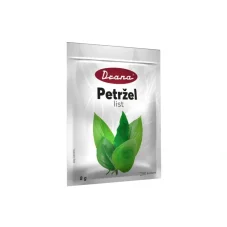
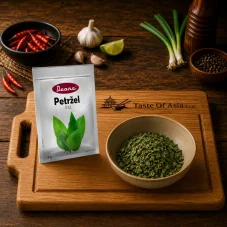
Drana Parsley Leaf 8 g
Read next
If you want to continue with the same topic, here are more related articles to explore: