

 Česky (CZK)
 Slovensky (EUR)
 Deutsch (EUR)
 Austria
 Belgium
 Bulgaria
 Croatia
 Denmark
 Estonia
 Finland
 France
 Germany
 Greece
 Hungary
 Italy
Italy Latvia
 Lithuania
 Luxembourg
 Netherlands
 Poland
 Portugal
 Romania
 Slovenia
 Spain
Spain Sweden










Granulated garlic – an inconspicuous ingredient that can save dinner in seconds
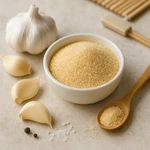
Why granulated garlic earns a permanent spot in an Asian pantry
Garlic is one of those ingredients that can make a meal taste “finished” even when everything else is simple: rice, vegetables, noodles, tofu, chicken—almost anything benefits from a little garlicky depth. The catch is timing. Fresh garlic can burn fast in a wok, it can turn harsh if it’s undercooked, and it always adds prep work (and sticky fingers).
Granulated garlic is the low-effort alternative that still delivers a recognizable garlic flavor. It’s not meant to replace fresh cloves in every dish—but when you need speed, consistency, and easy dosing, it’s hard to beat.
🧄 What granulated garlic actually is (and how it tastes)
Granulated garlic is dehydrated garlic that’s been processed into small grains. Compared with garlic powder, the particles are larger, which changes how it behaves in cooking:
- It hydrates gradually, so the flavor develops more slowly and evenly.
- It’s less “sharp” upfront than raw garlic, and often comes across as rounder and more mellow.
- It disperses well in spice blends and marinades without creating a raw garlic punch.
This makes it particularly useful in fast Asian cooking where you’re juggling high heat, short cooking times, and strong seasonings (soy, chili, ginger, citrus, fermented sauces).
🔥 Granulated vs. fresh: when each one shines
Reach for granulated garlic when…
- you want garlic flavor fast with no chopping.
- you’re making a dry rub or seasoning blend for meat, tofu, or roasted vegetables.
- you need even garlic flavor throughout a sauce, soup, or noodle dressing.
- you’re cooking on very high heat and want to avoid burnt garlic bitterness.
Choose fresh garlic when…
- the dish relies on the fragrance of freshly cooked garlic (for example, garlic fried until just golden in oil).
- you want texture (sliced garlic chips, minced garlic pieces).
- you need a bright, raw garlic bite in certain cold sauces or salads.
🥄 How to use it well: timing, hydration, and dosing
The main trick is remembering that granules need a bit of moisture (or fat) to “open up.” If you taste a sauce right after adding it, it may seem mild—then become noticeably more garlicky a few minutes later.
Practical techniques
- For marinades: whisk granulated garlic into oil plus a salty liquid (soy sauce, fish sauce, or a salted broth). Let it sit 5–10 minutes so the granules soften and stick better to the surface.
- For soups and braises: add it earlier rather than at the end; it needs time to bloom.
- For stir-fries: mix it into the sauce you’ll pour in near the end, or add it once the main ingredients are already moving in the pan (so it doesn’t scorch in dry heat).
How much to add (a helpful starting point)
Intensity varies by brand and age, so treat this as a baseline and adjust:
- Per 1 serving: a pinch (about 1/8 tsp) for background flavor.
- Per 2–4 servings: 1/2–1 tsp for a clearly garlicky profile.
- For a full marinade (500 g protein/tofu): 1–2 tsp, then taste after resting.
If you’re unsure, add half, wait a few minutes, then taste again—granulated garlic often “arrives” with a delay.
🍜 Flavor pairings that work especially well in Asian cooking
- Garlic + chili: for quick noodles, stir-fries, and dipping sauces.
- Garlic + ginger: a classic base for marinades and pan sauces.
- Garlic + citrus (lime/lemon): brightens dressings and noodle salads.
- Garlic + peanut: deepens peanut-based sauces and satay-style marinades.
- Garlic + fermented umami (soy sauce, fish sauce): creates a fuller, more “restaurant-like” savoriness.
⚠️ Common mistakes (and easy fixes)
- Adding it at the very end to a dry dish: it won’t have time to soften. Fix: stir it into a splash of water, broth, or sauce first.
- Scorching it in oil: dehydrated garlic can still turn bitter. Fix: use moderate heat or add it with liquid ingredients.
- Over-seasoning too quickly: the flavor strengthens after a short rest. Fix: season in stages and re-taste after 2–3 minutes.
🫙 Storage: keep the aroma (and avoid clumps)
Moisture is the enemy. Store granulated garlic tightly sealed, in a cool, dry cupboard away from the stove. Always use a dry spoon, and close the container promptly. If the granules start clumping, it usually means humidity got in—and the flavor may fade faster.
🍲 A quick 2-minute idea: garlicky fish sauce dip (no chopping)
This is a simple way to see how well granulated garlic performs in a wet sauce:
- 2 tbsp fish sauce
- 2 tbsp warm water
- 1–2 tsp sugar (to taste)
- 1–2 tsp lime juice or rice vinegar
- 1/4 tsp granulated garlic
- Chili to taste (fresh or dried)
Stir and let sit for 2–3 minutes. Taste again and adjust—garlic intensity will increase slightly as it hydrates. Serve with spring rolls, grilled meats, rice bowls, or as a quick noodle dressing.
Our picks (ingredients that pair naturally with garlic)
- Tiparos Fish Sauce 300 ml – a practical size for dressings, dips, and everyday cooking.
- Tiparos fish sauce 700 ml – great if you cook Thai or Vietnamese dishes often.
FAQ
Is granulated garlic the same as garlic powder?
No. Powder is much finer and dissolves quickly; granules are coarser and need a bit more time to hydrate. Granules are often easier to control in high-heat cooking and don’t “dust” as much.
Can I swap granulated garlic for fresh cloves?
For many sauces, soups, and marinades—yes, with some adjustment. You’ll miss the fresh aroma and texture, but you gain speed and consistency. Start small, let it hydrate, then fine-tune.
Does granulated garlic burn?
It can. It’s more forgiving than fresh minced garlic in some situations, but it will still turn bitter if it sits in very hot oil with no liquid. Adding it with sauces or after ingredients have started cooking helps.

Recommended products5
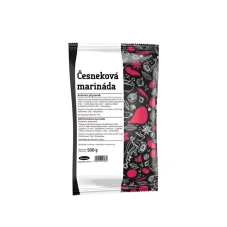
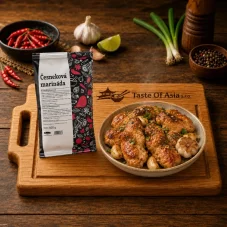
Drana Garlic Marinade 500 g
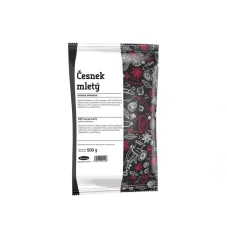
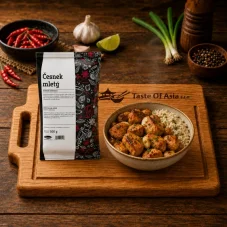
Drana Ground Garlic 500 g
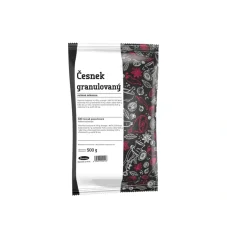
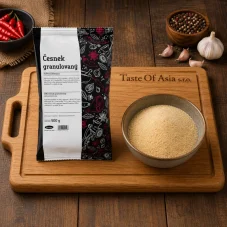
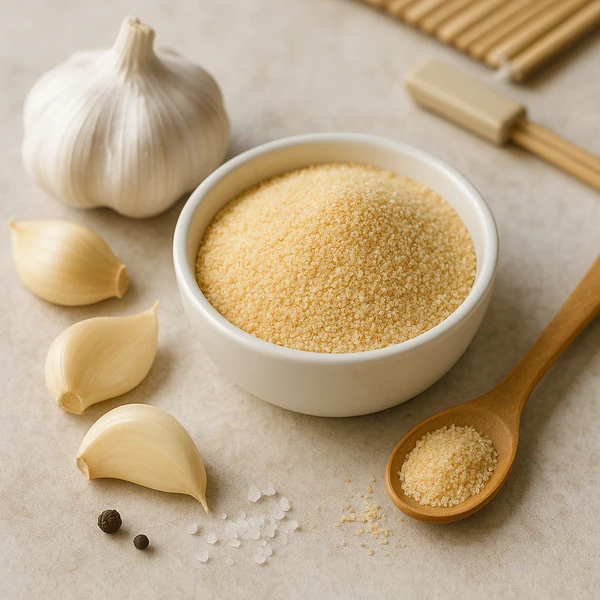
Drana Garlic Granulated 500 g
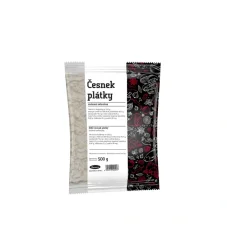
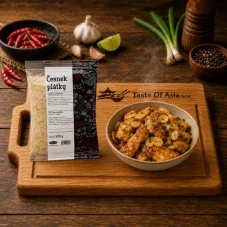
Drana Garlic Slices 500 g
Drana Bear Garlic 5 g
Read next
If you want to continue with the same topic, here are more related articles to explore: