Česky (CZK)
 Slovensky (EUR)
 Deutsch (EUR)
 Austria
 Belgium
 Bulgaria
 Croatia
 Denmark
 Estonia
 Finland
 France
 Germany
 Greece
 Hungary
 Italy
Italy Latvia
 Lithuania
 Luxembourg
 Netherlands
 Poland
 Portugal
 Romania
 Slovenia
 Spain
Spain Sweden










Ground cinnamon aroma that warms you up
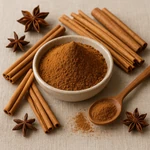
Cinnamon has a reputation as a “sweet” spice, yet its real strength is aroma: warm, woody, slightly floral, and capable of making food taste fuller and rounder. Used lightly, it doesn’t make a dish sugary—it simply adds depth. Used heavily, it can dominate, so a measured hand matters.
What ground cinnamon actually is 🌿
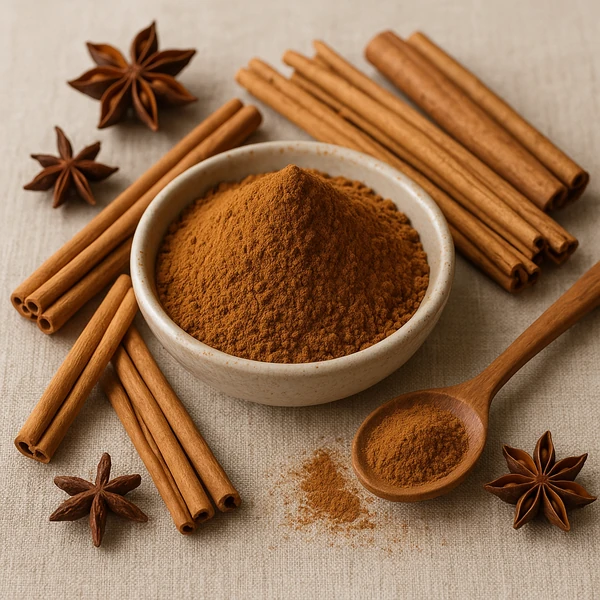
Ground cinnamon is made from the dried inner bark of cinnamon trees. The bark is curled into quills (cinnamon sticks) or milled into a fine powder. The ground form is convenient because it releases aroma quickly and disperses easily through batters, porridges, and sauces.
You may also see different “types” of cinnamon mentioned. The two most common are:
- Ceylon cinnamon (often described as gentler and more fragrant)
- Cassia cinnamon (often bolder, darker, and more punchy in flavour)
Both can be great—what matters most in everyday cooking is freshness and how you use it.
Flavour & aroma: how to tell if it’s worth using 👃
With ground spices, aroma is your best guide. When you open the jar, cinnamon should smell clearly warm and sweet-spiced. If it’s faint, dusty, or musty, it will disappear in food—and you’ll be tempted to add too much, which can turn harsh or bitter.
In the mouth, good cinnamon should taste clean and rounded. A noticeably bitter edge usually means it’s old, overheated during cooking, or simply overdosed.
Where cinnamon shines in sweet cooking 🍎
Ground cinnamon is an easy “background” spice that makes familiar foods taste more comforting:
- Baking: cakes, muffins, cookies, crumb toppings, quick breads
- Breakfast: oats, rice porridge, pancakes, French toast
- Fruit: baked apples/pears, stewed plums, compotes
- Dairy-based desserts: yogurt bowls, custards, cream fillings (use lightly so it stays elegant)
- Drinks: coffee, hot chocolate, chai-style teas, warm milk
Cinnamon in savoury dishes is not a gimmick 🍛
In many Asian cuisines, warming spices are used to build aroma rather than “sweetness.” A small amount of cinnamon can:
- make coconut-based sauces taste deeper and less one-dimensional
- round out chilli heat and pungent aromatics (garlic, onion, ginger)
- add a gentle “dark” note to braises and slow-cooked dishes
Try it (start small) in:
- Rice dishes: stir a pinch into rice as it cooks, or into pilaf-style rice with nuts and raisins
- Coconut curries and soups: a tiny amount can connect sweetness, heat, and fat in one flavour line
- Meat or tofu marinades: especially where you also use ginger, garlic, soy, or coconut
- Lentils and beans: cinnamon can add warmth to tomato- or coconut-based sauces
Pairings that work (and ones to approach carefully) 🔥
- Great partners: cardamom, clove, star anise, vanilla, nutmeg, ginger
- In savoury cooking: chilli, cumin, coriander, garlic, onion, coconut milk, soy-based sauces
- Fruit and sweetness: apples, pears, banana, mango, dates, honey, caramel, nuts
- Use caution with: very bright citrus-forward profiles and strongly smoky flavours (cinnamon can feel “out of place” if pushed)
When to add it: timing matters ⏱️
- Baking: mix it into dry ingredients so it spreads evenly.
- Porridges and creams: add some during cooking, then a tiny pinch at the end for fresher aroma.
- Sauces and curries: avoid scorching it in hot oil. Either add it into a wet base (tomato/coconut) or sprinkle it in near the end and simmer briefly.
How much to use + common mistakes ✅
Cinnamon is powerful in powder form. For most home cooking, start with one of these and adjust:
- Sweet bowls/drinks: a pinch to 1/4 tsp per serving
- Baking: 1/2–2 tsp per batch (depending on size and other spices)
- Savoury pots (curry, stew, sauce): start with a pinch, then taste after a few minutes
Common mistakes:
- Adding too much early: long cooking can make cinnamon taste flat or slightly bitter.
- Trying to “fix” weak cinnamon by doubling it: if your jar has lost aroma, replacing it is often better than increasing the dose.
- Letting it clump: humidity turns powders into lumps and dulls flavour—keep it dry.
Storage for maximum aroma 🫙
- Store tightly sealed, in a cool, dark cupboard.
- Keep it away from steam (next to the hob is usually the worst place).
- If you cook often, buy smaller packs more frequently—or decant from a larger pack into a small jar you open daily.
A quick savoury idea: cinnamon-coconut rice
When you want a subtle, restaurant-style aroma without making the dish “sweet,” try this simple method:
- Rinse rice as usual.
- Cook it with part water, part coconut milk (adjust to your preferred richness).
- Add a small pinch of ground cinnamon plus salt.
- Finish with toasted nuts or fried onions, or serve alongside a spicy curry.
The goal is a gentle warmth in the background, not a cinnamon-forward dessert note.
Our picks
- Nongshim Coarsely Ground Chili Pepper Gochugaru 454 g – if you enjoy savoury cinnamon experiments, try a pinch of cinnamon together with mild, fruity chilli in rubs, braises, or rich sauces (go slowly and taste).
FAQ
- Can I use ground cinnamon instead of a cinnamon stick?
- Yes, but the effect is different. Ground cinnamon disperses instantly and can look slightly dusty in light sauces. Sticks infuse more gently and are easier to remove.
- Will cinnamon make my curry taste sweet?
- Not if you keep the quantity small. In savoury dishes, cinnamon mainly reads as warmth and aroma, especially alongside chilli, garlic, ginger, and coconut.
- Why did my cinnamon taste bitter?
- Most often it was overheated (scorched in oil) or used in too large a dose. Add it into a moist base or towards the end, and start with a pinch.
- How long does ground cinnamon stay aromatic?
- It won’t suddenly “expire,” but the fragrance fades over time. If it no longer smells distinct when you open the jar, it’s time to refresh.

Recommended products4
Drana Cinnamon ground 500 g
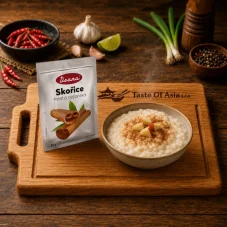
Drana Ground Ceylon Cinnamon 20 g
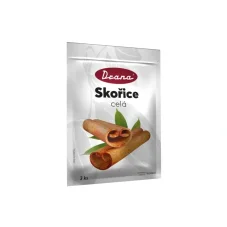
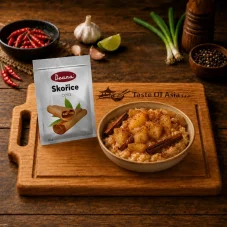
Drana Cinnamon Whole 3 pcs
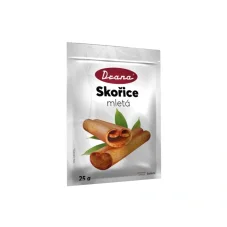
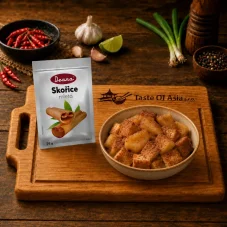
Drana Cinnamon ground 25 g
Read next
If you want to continue with the same topic, here are more related articles to explore: