

 Česky (CZK)
 Slovensky (EUR)
 Deutsch (EUR)
 Austria
 Belgium
 Bulgaria
 Croatia
 Denmark
 Estonia
 Finland
 France
 Germany
 Greece
 Hungary
 Italy
Italy Latvia
 Lithuania
 Luxembourg
 Netherlands
 Poland
 Portugal
 Romania
 Slovenia
 Spain
Spain Sweden










Ground Ceylon Cinnamon: What It Tastes Like, How to Use It, and How to Store It
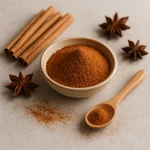
Cinnamon is one of those pantry staples that can instantly make food feel warmer and more “finished”—but not all cinnamon tastes the same. If you’ve tried cinnamon that felt harsh or aggressively woody, you may have been using a different type. Ground Ceylon cinnamon (from Cinnamomum verum, traditionally grown in Sri Lanka) is known for a softer, sweeter profile that’s easy to layer into both sweet and savory cooking.
🍂 What is ground Ceylon cinnamon?
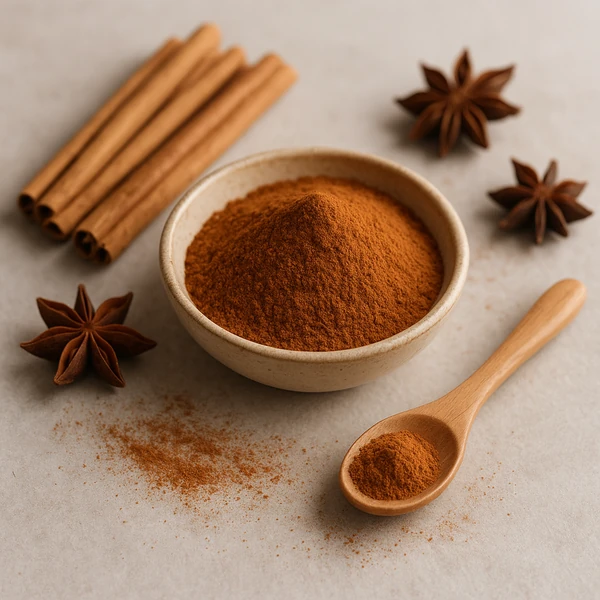
Ceylon cinnamon comes from the inner bark of a cinnamon tree. The bark is peeled into thin layers, dried, and then ground into a fine powder. Compared with cinnamon sold more generally (often cassia), Ceylon cinnamon is typically:
- Milder and sweeter (less sharp “bite”)
- More floral and delicate in aroma
- Lighter in color, usually tan rather than deep reddish-brown
Because it’s ground, it releases aroma quickly—great for everyday cooking, but it also means it can lose fragrance faster than whole sticks if stored poorly.
👃 Flavor profile: what to expect
Think of Ceylon cinnamon as warm, gently sweet, and aromatic rather than intense. It supports other flavors instead of dominating them, which is why it works well in spice blends and rice dishes where you want depth without a “cinnamon dessert” effect.
Good to know: Ceylon cinnamon is often mentioned as having naturally lower coumarin levels than cassia. It’s still a spice—use it in normal culinary amounts, and if you consume large quantities regularly, it’s sensible to vary spices and keep portions reasonable.
🍰🍛 How to use ground Ceylon cinnamon (sweet and savory)
Sweet uses
- Baking: cakes, cookies, buns, pancakes, French toast batter
- Breakfast: oatmeal, granola, yogurt, chia pudding, rice pudding
- Fruit: baked apples/pears, compotes, jams, fruit crumbles
- Drinks: hot chocolate, milk tea, coffee, or steamed milk (add a pinch and whisk well)
Savory uses
- Rice dishes: biryani-style rice, pilaf, coconut rice (a small pinch adds warmth)
- Stews and braises: especially with tomato, onion, and slow-cooked meats
- Spice blends: pairs well with cumin, coriander, cloves, and black pepper
- Roasted vegetables: sweet potato, pumpkin, carrots (use lightly with salt and oil)
How much to start with: for most dishes, begin with 1/8 to 1/4 teaspoon, then adjust. Ceylon cinnamon is subtle, but it builds quickly once heated and mixed through a dish.
🧩 Pairings that make cinnamon taste “intentional”
Ceylon cinnamon plays nicely with both sweet and savory aromatics. Try these combinations:
- Cardamom + cinnamon for fragrant tea, rice pudding, or spiced rice
- Ginger + cinnamon for cookies, marinades, and warming soups
- Clove or star anise + cinnamon for deep, slow-cooked sauces and broths
- Orange/lemon zest + cinnamon for cakes, syrups, and fruit desserts
- Vanilla + cinnamon for custards, cream desserts, and milk-based drinks
✅ Choosing a good ground Ceylon cinnamon
- Aroma first: it should smell sweet, warm, and clean—never dusty or stale.
- Color: often light tan. Very dark powder can indicate a different cinnamon type or older stock.
- Texture: fine and dry. Clumps can mean moisture exposure (not automatically unsafe, but usually less fragrant).
- Label clarity: look for “Ceylon” or Cinnamomum verum if you’re specifically after this style of cinnamon.
🧂 Storage: keep the fragrance longer
Ground spices fade mainly due to air, light, heat, and moisture. To keep Ceylon cinnamon aromatic:
- Store in an airtight container, away from the stove and direct sunlight.
- Keep it cool and dry; avoid sprinkling directly over a steaming pot (steam enters the jar and speeds up flavor loss).
- If you cook with it only occasionally, buy smaller packs and replenish more often.
As a practical rule, ground cinnamon is at its best within about 6–12 months after opening (it won’t suddenly “go bad,” but it becomes noticeably less expressive).
🍚 A quick serving idea: fragrant cinnamon basmati rice
If you want to see how well Ceylon cinnamon works in savory food, try this simple method:
- Rinse basmati rice and cook as usual.
- While it cooks, warm a little oil or ghee and stir in 1/8 tsp ground Ceylon cinnamon plus a pinch of salt.
- Fold the warm spiced fat into the cooked rice and rest 5 minutes before serving.
This gives a subtle, aromatic lift that pairs well with curries, grilled meats, or lentils—without making the rice taste sweet.
🛒 Our picks
- Basmati rice – ideal for aromatic rice dishes where a pinch of cinnamon makes sense.
- Rice and rice products – for puddings, rice flour, and pantry staples that pair naturally with cinnamon.
🔎 Related categories
- Jasmine rice – a great base for coconut rice or lightly spiced side dishes.
❓ FAQ
- Is Ceylon cinnamon the same as “regular” cinnamon?
- In many countries, “cinnamon” on its own often means cassia. Ceylon cinnamon is a specific variety known for a softer, sweeter aroma.
- Can I substitute ground cinnamon for cinnamon sticks?
- Yes, but the effect differs. Ground cinnamon disperses quickly and can slightly thicken liquids. Sticks give a cleaner infusion and are easier to remove.
- Why does my cinnamon clump in drinks?
- Cinnamon doesn’t dissolve easily. Mix it first with sugar/honey, whisk into warm milk, or blend briefly for a smoother result.
- When should I add it during cooking?
- Add early for a rounded, integrated warmth (stews, rice). Add late or as a finishing sprinkle when you want more aroma on the surface (desserts, cappuccinos).
Our picks
Relevant internal links for this topic:

Recommended products1
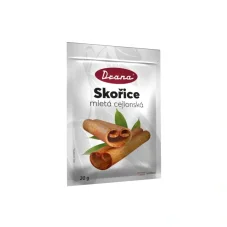
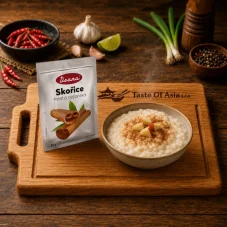
Drana Ground Ceylon Cinnamon 20 g
Read next
If you want to continue with the same topic, here are more related articles to explore: