

 Česky (CZK)
 Slovensky (EUR)
 Deutsch (EUR)
 Austria
 Belgium
 Bulgaria
 Croatia
 Denmark
 Estonia
 Finland
 France
 Germany
 Greece
 Hungary
 Italy
Italy Latvia
 Lithuania
 Luxembourg
 Netherlands
 Poland
 Portugal
 Romania
 Slovenia
 Spain
Spain Sweden










Colombo Curry: The Fragrant Caribbean Spice Blend Cooked Like Curry
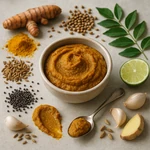
If you enjoy curries but want a different direction from Thai curry pastes or classic Indian spice mixes, colombo is a smart (and easy) detour. It delivers warmth, color, and aromatic depth with minimal prep: you cook it, not just sprinkle it on. The result is a sauce or stew that tastes sunny and spiced, yet still lets your main ingredient shine.
What is Colombo curry? 🌴
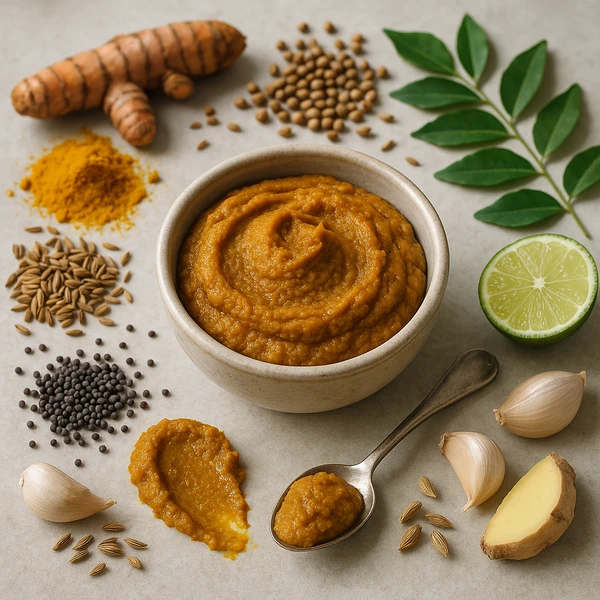
Colombo is a traditional seasoning blend used in the French Caribbean—especially Martinique and Guadeloupe. The style is often linked to the region’s layered culinary history, where Indian-inspired spice techniques met local ingredients and cooking habits. In many homes, “making a colombo” means building a fragrant base with the spice blend and then slowly simmering meat, seafood, or vegetables until the sauce turns silky and cohesive.
Unlike a wet curry paste, colombo is typically a dry blend designed to be cooked in fat first. That quick “bloom” step is what unlocks its aroma and prevents the finished dish from tasting dusty or flat.
How it tastes (and why it’s not “just curry”) 👃
Colombo sits in the same comfort zone as curry powder—golden, warming, and savory—but it often feels rounder and more stew-friendly. Depending on the brand, it may lean more earthy than hot.
- Flavor profile: warm, gently peppery, aromatic, and slightly earthy
- Heat level: usually mild to medium (you can always add chili separately)
- Color: typically golden-yellow from turmeric and similar spices
- Blend variability: recipes differ; common building blocks often include turmeric, coriander, cumin, fenugreek, mustard, pepper, and other aromatics—so always expect slight differences between products
How to cook with it: the “Colombo method” 🍳
Think of colombo as a sauce starter. This simple structure works for chicken, chickpeas, vegetables, and many fish (with shorter cooking time):
- Sweat aromatics: cook onion (and optionally garlic/ginger) in oil until soft.
- Bloom the spices: add colombo and stir for 20–40 seconds over medium heat. If the pan looks dry, add a touch more oil.
- Coat your main ingredient: add meat/veg and toss so everything is evenly covered.
- Simmer: add liquid (stock, water, coconut milk, or tomatoes) and cook gently until tender.
- Balance at the end: salt, a squeeze of lime, and fresh herbs bring the dish into focus.
Best pairings 🥥
- Coconut milk: rounds the spice and makes an instant creamy sauce.
- Lime or other citrus: added at the end to lift the aroma.
- Herbs: thyme, parsley, spring onion, or coriander (choose what you like and what you have).
- Vegetables: eggplant, zucchini, pumpkin/squash, cauliflower, potatoes, sweet potatoes.
- Proteins: chicken thighs, tofu, chickpeas, firm fish, shrimp (add seafood near the end).
How much to use + how to balance the sauce ⚖️
The right amount depends on the blend’s strength and how much sauce you’re making. As a practical starting point:
- For a stew/sauce: 1–2 teaspoons per serving, or about 1 tablespoon per 500 g / 1 lb of main ingredient.
- For a quick marinade: 1 tablespoon colombo + 2 tablespoons oil + 1–2 tablespoons lime juice + salt. Marinate 20–30 minutes (longer for chicken, shorter for fish).
If your dish tastes “spiky” or too intense, it usually needs one of three things: more simmer time, a bit more fat/creaminess (coconut milk), or brightness added at the end (lime). Avoid judging the flavor too early—colombo mellows and integrates as it cooks.
Buying tips: what to look for 🛒
- Check the label: some blends contain added salt, chili, or extra aromatics. That affects how you season the dish.
- Choose the format you’ll actually use: if you cook curries often, a larger pack is more economical; if you’re experimenting, start smaller.
- Look for freshness: spices fade. Strong aroma when opened and a vivid golden color are good signs.
Common mistakes (and easy fixes) 🔥
- Burning the spice blend: keep the heat moderate and bloom briefly. If it darkens too fast, add a splash of oil or a spoon of coconut milk and lower the heat.
- Adding lime too early: simmer first, then finish with lime. Citrus added at the end tastes brighter and keeps the sauce cleaner.
- Overdoing the powder: if it’s too strong, dilute with stock/coconut milk and simmer longer. Adding potatoes or chickpeas can also soften intensity.
- Expecting paste-like punch: colombo is a dry blend; it builds depth through cooking time, not raw intensity.
Quick weeknight idea: 20‑minute coconut chicken colombo ✨
For a fast dinner, you don’t need a long ingredient list:
- What you need: chicken thighs (or tofu), onion, colombo, coconut milk, salt, lime, a handful of herbs.
- How to do it: soften onion in oil → bloom colombo → add chicken and coat → pour in coconut milk + a splash of water → simmer until cooked through → finish with lime and herbs.
Serve with rice, flatbread, or roasted vegetables—anything that can catch the sauce.
Colombo vs. curry pastes (Thai, Malaysian) 🌶️
If you’re used to Thai or Malaysian-style curries, the biggest difference is the base: curry pastes are usually made from fresh aromatics (like lemongrass, galangal, chilies, kaffir lime), while colombo is a dry spice blend meant to be toasted in oil and simmered. That makes colombo especially convenient for stews, quick marinades, and “one-pot” meals where you want warmth and fragrance without building a paste from scratch.
If you like exploring different curry styles, browsing a curated curry section can help you compare formats and flavors side by side: Curry pastes.
Our picks
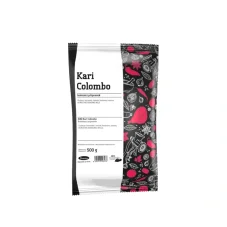
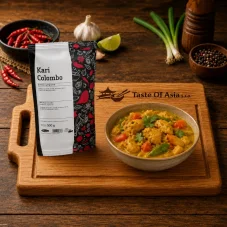
- Drana Colombo Curry 500 g – a straightforward option for regular cooking when you want consistent results.
- Lobo Panang curry paste 50 g – a creamy, peanut-leaning Thai curry direction when you want something richer and more paste-driven.
- AHG Rendang curry paste 50 g – for a deeper, slow-cooked style that’s very different from colombo but equally satisfying.
Related categories
- Curry pastes – useful if you want to alternate between dry blends like colombo and ready-to-cook pastes.
FAQ
- Is colombo curry spicy?
- Most blends are aromatic rather than very hot. If you want more heat, add fresh chili, chili flakes, or hot sauce separately so you can control the spice level.
- Can I use it with fish or shrimp?
- Yes—just keep cooking times short. Bloom the spices, build the sauce, then add seafood near the end to avoid drying it out.
- How should I store colombo?
- Keep it tightly sealed, away from heat and light. For best aroma, use within 6–12 months after opening (sooner if it starts smelling faint).
- Is it the same as curry powder?
- It’s similar in concept (a dry spice blend), but the flavor balance and traditional usage are different. Colombo is typically cooked into stews and sauces in a very specific “bloom and simmer” style.

Recommended products1

Drana Colombo Curry 500 g
Read next
If you want to continue with the same topic, here are more related articles to explore: