

 Česky (CZK)
 Slovensky (EUR)
 Deutsch (EUR)
 Austria
 Belgium
 Bulgaria
 Croatia
 Denmark
 Estonia
 Finland
 France
 Germany
 Greece
 Hungary
 Italy
Italy Latvia
 Lithuania
 Luxembourg
 Netherlands
 Poland
 Portugal
 Romania
 Slovenia
 Spain
Spain Sweden










Barbecue seasoning: flavor that sticks to meat and vegetables
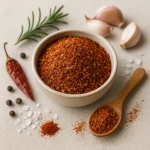
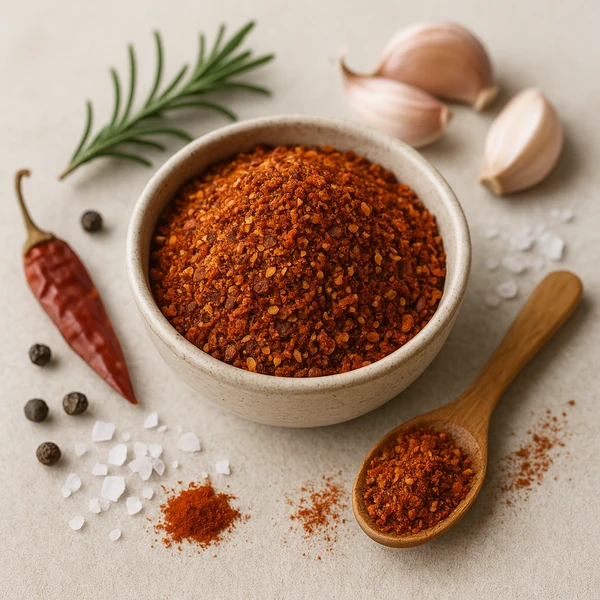
Grill seasoning sounds like a single thing, but in practice it’s a toolkit: a dry rub for crust and aroma, a marinade for deeper seasoning and juiciness, and (optionally) a glaze or condiment to finish. When you understand what each approach does—and what makes spices adhere—you can get bold, consistent results on chicken, pork, fish, tofu, mushrooms, zucchini, corn, and more.
🔥 What “grill seasoning” really means
Most grill seasonings are blended mixes designed to deliver three effects quickly:
- Instant aroma as spices heat up and “bloom” on the grate.
- Surface browning that creates a tasty crust (especially with a little salt and oil).
- Balanced bite—savory, peppery, sometimes sweet or hot—without needing a long ingredient list.
Across Asia, the same idea shows up in different forms: peppery heat, chili-garlic profiles, fragrant curry-style blends, and punchy finishing sauces that add sweetness, tang, and umami at the end. The method matters as much as the mix.
🧂 What makes seasoning “stick” (and why it sometimes falls off)
If seasoning keeps dropping into the fire or tastes patchy, it’s usually not the blend—it’s the surface conditions. A seasoning layer adheres best when you manage these basics:
- Dry surface first: pat meat, tofu, and vegetables dry. Water creates steam, and spices slide instead of bonding.
- Even coating: use a light film of oil (or a thin marinade) so fine spices cling. Too much liquid turns the mix into sludge that wipes off on the grate.
- Salt strategy: salt helps flavor and browning, but it also draws moisture. If your blend is salty, apply it shortly before grilling. If it’s salt-free, you can salt earlier and add spices closer to the heat.
- Time to set: after rubbing, wait 10–20 minutes so the surface looks slightly “damp” (tacky). That tackiness is your friend.
🌶️ The building blocks of a reliable grilling blend
Different styles vary, but most good mixes include a few familiar roles:
- Savory base: salt (sometimes), garlic, onion, toasted spices.
- Heat: black pepper, chili flakes, ginger.
- Signature character: warm spices (cumin, coriander), citrusy notes, or curry-like aromas.
- Optional sweetness: sugar or sweet powders for caramelization—use with care on high heat.
If you’re chasing an Asian direction, look for (or build) blends that lean into pepper-chili warmth, ginger/garlic aromatics, or curry-spice fragrance. You can keep it subtle (to support the ingredient) or make it the main theme.
🥣 Dry rub vs. marinade vs. glaze: what to use and when
Dry rub (fast crust, clean flavor)
A dry rub is best when you want a pronounced browned surface and clear “grilled” aroma. It works especially well on:
- Chicken thighs/wings (skin-on or skinless)
- Pork chops and ribs
- Firm tofu (pressed and dried)
- Mushrooms, eggplant, zucchini (with a touch of oil)
Key tip: if your rub contains sugar, keep the heat moderate or move the food to a cooler zone once color develops.
Marinade (juiciness and deeper seasoning)
Marinades are helpful when the ingredient is lean, when you want the flavor to carry beyond the surface, or when you’re grilling cubes/skewers that expose more edges. A practical structure is:
- Fat: oil (helps aroma spread and prevents sticking)
- Salt/umami: salty components or salt in the mix
- Acid (optional): citrus or vinegar for brightness (use gently on delicate proteins)
- Spices/aromatics: your chosen blend
Timing: 20–60 minutes is often enough for chicken, tofu, and vegetables. Longer isn’t always better—too much acid can tighten proteins and dull texture.
Glaze or finishing sauce (shine, contrast, and “wow”)
Glazes and finishing sauces bring the restaurant-style finish: sticky sheen, sweet-sour balance, and a final hit of chili or umami. Apply them near the end so they don’t burn. This is where Asian flavors often shine—sweet heat, tang, and bold aromatics layered over smoky char.
🥬 Ingredient-by-ingredient: what works on the grill
Chicken and turkey
Chicken loves both dry rubs and short marinades. For skin-on pieces, keep sugar low early on and crisp the skin first; add sweeter glazes only in the last few minutes.
Beef and pork
These handle stronger spice and pepper. Coarser blends hold up well and create a robust crust. If you’re using a salty rub, avoid over-seasoning—taste fatigue is real, especially with fatty cuts.
Fish and seafood
Go lighter and finer-grained. Delicate proteins take on flavor quickly and burn easily. Consider a thin oil-based seasoning and a quick finish sauce off the heat rather than a heavy rub.
Tofu
Press it, dry it, then choose your route:
- For crisp edges: oil + dry rub, then grill hot.
- For bolder flavor: short marinade, then pat dry before grilling so it sears instead of steams.
Vegetables
Vegetables often need more seasoning than you expect because they’re milder and contain lots of water. A little oil helps spices coat evenly. Great candidates include mushrooms, corn, cauliflower steaks, eggplant, zucchini, peppers, and spring onions.
✅ Practical tips (and common mistakes) for better results
- Don’t season wet food: moisture is the #1 reason spices slide off and burn unevenly.
- Beware fine powders over high heat: garlic/onion powders can go bitter if the grill is blazing. Use a two-zone fire or finish indirectly.
- Sweet elements belong late: sugar and sweet sauces darken fast. Brush them on during the last 2–4 minutes, turning often.
- Let the rub set: after seasoning, rest briefly so the surface becomes tacky—this helps create an even crust.
- Flip less, cook smarter: frequent flipping can scrape seasoning. Let the surface develop and release naturally before turning.
🍢 Quick Asian-inspired ideas (no complicated prep)
Pepper-chili finish for grilled skewers
Grill meat or tofu with a savory rub (salt + pepper + garlic). Serve with a spicy condiment on the side or dabbed on after grilling for a clean, punchy finish.
Fragrant “curry-style” grilled vegetables
Toss cauliflower or eggplant with oil, a warm spice blend (coriander/cumin/turmeric style), and salt. Grill until charred, then rest 2 minutes and add a tangy finishing touch (lemon/lime) off the heat.
🧊 Storage: keep your blends fragrant
- Seal tightly and store in a dark cupboard away from the grill’s heat.
- Keep a dry spoon—steam and moisture are what make mixes clump and stale.
- Whole spices last longer than pre-ground; if aroma is weak, your “blend” may be old rather than wrong.
Our picks
- Ashoka Chutney Schezwan 250 g – a bold, chili-forward condiment that works as a finishing sauce for grilled tofu, wings, burgers, or vegetable skewers. Use it at the end (or serve on the side) to avoid burning.
❓FAQ
Should I add oil when using a dry rub?
A thin film of oil helps spices adhere on vegetables and tofu. For fatty meats you often don’t need it, but a light coat can still improve evenness.
Why does my seasoning burn before the food is done?
Most often it’s sugar (or very fine powders) meeting high heat. Use two-zone grilling, apply sweet glazes late, and avoid excessive flare-ups.
Can I season in advance?
Yes, but understand what’s in your mix. Salty blends pull moisture to the surface—great for tackiness, but too long can make the exterior wet. For most weeknight grilling, 10–30 minutes is a sweet spot.

Recommended products2
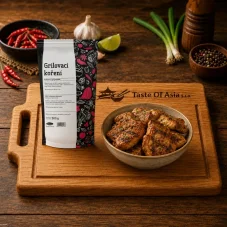
Drana Grill Seasoning 500 g

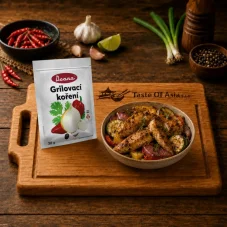
Drana Grilling spice 30 g
Read next
If you want to continue with the same topic, here are more related articles to explore: