

 Česky (CZK)
 Slovensky (EUR)
 Deutsch (EUR)
 Austria
 Belgium
 Bulgaria
 Croatia
 Denmark
 Estonia
 Finland
 France
 Germany
 Greece
 Hungary
 Italy
Italy Latvia
 Lithuania
 Luxembourg
 Netherlands
 Poland
 Portugal
 Romania
 Slovenia
 Spain
Spain Sweden










BBQ Grill Seasoning: Smoky, Sweet-Heat Flavor for Meat and Vegetables
🔥 What “BBQ” means in a seasoning blend
When a spice mix is labeled BBQ, it usually aims to recreate the flavors people associate with live-fire cooking: smoke, a touch of sweetness, and a rounded spice warmth. Depending on the blend, you may notice:
- Smoky notes (often from smoked spices or flavorings)
- Sweetness that caramelizes on heat (commonly from sugar or sweet spices)
- Heat and bite from pepper and/or chili
- Savory depth when paired with salty ingredients (like soy sauce)
The reason BBQ seasoning is so versatile is simple: it adds an instant “grilled” personality to foods that are otherwise mild—especially vegetables, tofu, and lean meats.
🌶️ Flavor profile: smoky + sweet + spicy (and why it’s so satisfying)
BBQ blends are built around contrast. The sweet element softens the heat; smoke adds richness; spices provide lift. On the grill (or in a hot pan), sweetness can brown quickly and create that craveable surface crust.
This is also where BBQ naturally meets Asian pantry logic: many Asian cuisines balance sweet, salty/umami, aromatic, and heat. With a few small additions, BBQ seasoning can feel at home next to soy-based marinades, ginger, garlic, sesame, and citrus.
🍳 Three practical ways to use BBQ grill seasoning
1) Dry rub (fastest route to big flavor)
Dry rub is ideal when you want bold taste without waiting hours.
- Pat the food dry (moisture prevents browning).
- Lightly oil the surface (helps spices stick and promotes even browning).
- Season generously but evenly.
- Rest 10–30 minutes before grilling (longer for larger cuts).
Great on: chicken thighs, pork chops, ribs, shrimp, portobello mushrooms, cauliflower “steaks,” sweet potato wedges, corn, tofu.
2) Quick marinade (for juiciness and depth)
Marinades help seasoning penetrate and keep foods moist—especially chicken breast, pork loin, tofu, and mushrooms.
Simple BBQ-umami marinade: neutral oil + BBQ seasoning + a salty umami base (think soy sauce) + optional garlic/ginger + a little acidity (lime/lemon) added at the end or right before serving.
Timing guide:
- Fish/shrimp: 10–30 minutes
- Chicken pieces: 1–4 hours
- Pork slices: 1–6 hours
- Tofu: 30 minutes to overnight (pressed tofu works best)
3) Finishing glaze (to avoid burning)
If your BBQ mix is on the sweeter side, applying it too early over high heat can lead to bitterness. A good workaround is to grill first, then brush on a thin glaze during the last 2–4 minutes.
Quick glaze idea: a spoon of oil + a spoon of water + BBQ seasoning, warmed briefly until it becomes brushable.
💨 How to get a “smoky” result without a smoker
- Use two-zone cooking: sear over direct heat, then finish on indirect heat to prevent scorching.
- Don’t rush the crust: let the surface brown before flipping; constant turning cools the food and smears spices.
- Keep sweet seasonings in check: if browning too quickly, move the food away from the hottest area.
- Rest after cooking: 3–10 minutes (depending on size) helps juices redistribute and rounds out flavor.
🥬 Vegetables that love BBQ seasoning (and the best technique)
Vegetables shine with BBQ flavor because smoke + sweet heat mimics the depth you’d normally get from slow cooking.
- Corn: oil + rub; finish with a squeeze of lime.
- Eggplant: slice thick, salt briefly, pat dry, then rub and grill until creamy.
- Bell peppers: high heat for blistered edges; slice and serve with a punchy dip.
- Mushrooms: rub and grill gill-side down first to keep them juicy.
- Cauliflower: thicker slices hold together; indirect heat helps tenderness.
🍜 Asian-leaning BBQ combos (easy upgrades)
To make BBQ taste “less steakhouse, more street-food,” add one of these finishing touches:
- Umami boost: a soy-style salty element in the marinade or brushed on lightly at the end.
- Aromatics: grated ginger, garlic, spring onion.
- Fresh brightness: lime, rice vinegar, or a crisp cucumber salad on the side.
- Heat control: chili paste or a spicy chutney as a dip rather than in the rub.
🧂 Choosing the right BBQ seasoning (and what to watch for)
- Salt level: some blends are salty enough to act as the only seasoning; if you also brine or use soy sauce, reduce added salt.
- Sweetness: sweeter mixes brown fast—use medium heat or apply later as a glaze.
- Particle size: very fine powders coat evenly; coarser blends create a more textured crust.
- Intended use: if you grill often, a larger pack is practical and consistent for repeating your favorite results.
⚠️ Common BBQ seasoning mistakes (and quick fixes)
- Burnt surface, bland inside: heat was too high or cooking too direct—switch to two-zone cooking and finish indirectly.
- Over-seasoned crust: next time oil lightly and apply a thinner, more even layer; serve with a bright side (lime, pickles, salad) to balance.
- Not enough “BBQ feel”: add a little extra smoke and umami through technique (browning, resting) and a savory finish.
- Vegetables taste dry: toss in oil first and grill in larger pieces; slice after cooking so they stay juicy.
🧊 Storage tips
Keep BBQ seasoning tightly sealed in a cool, dry place away from the grill’s heat and steam. Moisture is the enemy—it causes clumping and dulls aroma. For the best flavor, use opened seasoning regularly rather than letting it sit for years.
🍢 A quick serving idea (no recipe fuss)
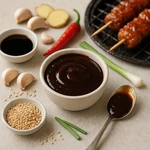
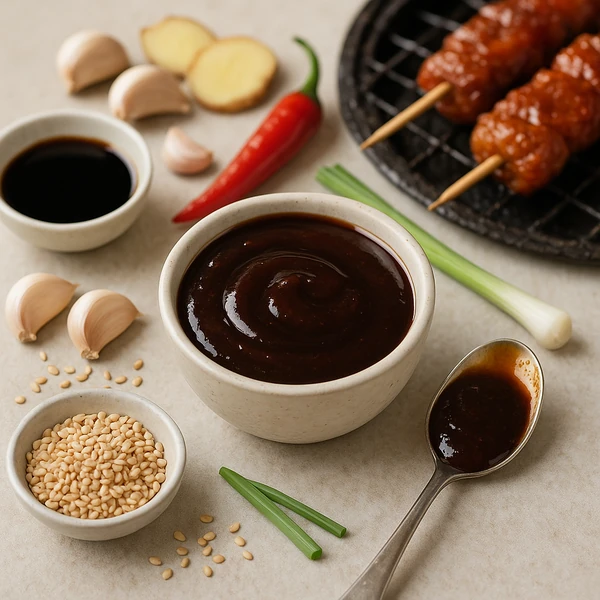
BBQ-tofu & vegetable skewers: press firm tofu, cube it, toss with oil and BBQ seasoning, then skewer with peppers and mushrooms. Grill until well browned. Finish with lime and spring onion. Serve with rice or noodles and a spicy dip on the side.
Our picks
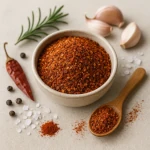
- Drana Barbecue Grill Seasoning 500 g – a convenient all-in-one option when you want smoky sweet-heat flavor for both meat and vegetables.
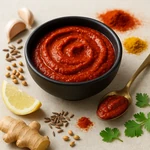
- Ashoka Chutney Schezwan 250 g – use as a punchy dip or finishing accent when you want extra chili-garlic intensity alongside BBQ-grilled foods.
FAQ
Can I use BBQ grill seasoning in the oven or on a pan?
Yes. Use a hot pan for browning, or roast on a high temperature to build color. If the blend is sweet, consider adding part of it near the end to prevent burning.
Does BBQ seasoning work for plant-based cooking?
Very well. It adds depth to tofu, mushrooms, eggplant, cauliflower, and even chickpeas. Pair with something bright (lime, vinegar, fresh herbs) to keep the flavor balanced.
How do I keep it from tasting too sweet?
Use a lighter coating, cook over moderate heat, and add acidity at serving time (lime/lemon). You can also balance sweetness with a savory dip or a salty-umami element in the marinade.

Recommended products1
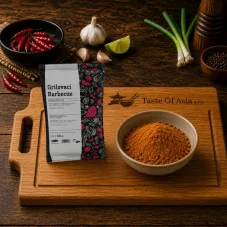

Drana Barbecue Grill Seasoning 500 g
Read next
If you want to continue with the same topic, here are more related articles to explore: