Česky (CZK)
 Slovensky (EUR)
 Deutsch (EUR)
 Austria
 Belgium
 Bulgaria
 Croatia
 Denmark
 Estonia
 Finland
 France
 Germany
 Greece
 Hungary
 Italy
Italy Latvia
 Lithuania
 Luxembourg
 Netherlands
 Poland
 Portugal
 Romania
 Slovenia
 Spain
Spain Sweden










Seasoning Fish: How to Choose a Blend That Enhances (Not Overpowers) the Flavor
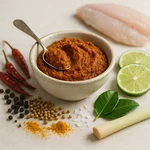
Why fish needs a different approach 🐟
Compared with red meat or long-braised dishes, fish has a lighter structure and less time in the pan. That means seasoning has to work quickly and intelligently. Too much salt can make fish taste harsh; too many strong spices can mask its character; and long marinades (especially acidic ones) can turn the surface soft or “cooked” before heat even touches it.
A good fish seasoning does three jobs:
- Highlights sweetness in the flesh (especially in white fish and shellfish).
- Tames strong aromas (common in oily fish) without covering everything up.
- Adds a clear direction—fresh and citrusy, warm and spiced, or savory and umami-rich.
The building blocks of great fish flavor 🍋🧂
Across many Asian cuisines, fish is seasoned by balancing a few key elements rather than piling on random spices. Think in layers:
- Salt: sea salt, soy sauce, fish sauce. Use gently—many sauces are already salty.
- Acid: lime, lemon, tamarind, rice vinegar. Brightens flavor and cuts richness.
- Aromatics: ginger, garlic, lemongrass, scallion. These add “lift” and reduce any fishy edge.
- Heat: chili flakes, fresh chili, pepper. Keep it proportional to the fish’s intensity.
- Sweetness: palm sugar, honey, sweet chili, fruit-based condiments. Useful for balance, especially with spicy seasonings.
- Umami: miso, fermented sauces, dried shrimp, seaweed, mushroom seasoning. Adds depth without heaviness.
If your fish dish ever tastes flat, it usually needs one of these: a pinch more salt, a squeeze of lime, or a touch of umami—not necessarily more spice.
Choose seasoning by fish type 🌿
Delicate white fish (cod, haddock, pollock, tilapia)
These fillets benefit from clean, bright profiles. Aim for ginger, citrus zest, white pepper, coriander, and mild chili. Avoid very smoky or aggressively bitter spices.
- Best styles: lime–ginger, lemongrass–garlic, light soy–scallion.
- Great finish: fresh herbs, a final squeeze of citrus after cooking.
Oily or richer fish (salmon, mackerel, sardines)
Fatty fish can carry stronger seasoning and sweeter counterpoints. This is where warm spices, deeper umami, and bolder chili really shine.
- Best styles: miso/soy with ginger, chili-garlic glaze, warm spice blends (think cumin, paprika, turmeric).
- Great finish: toasted sesame, chili oil, or a sweet-sour condiment.
Shellfish (shrimp, squid, scallops)
Shellfish loves quick, high-impact flavor because it cooks in minutes. Garlic, chili, lime, and fragrant aromatics are a classic combination.
- Best styles: chili–garlic–lime, ginger–scallion, tamarind–sweet–spicy.
- Watch out: over-salting—shellfish can taste salty quickly.
Match the blend to the cooking method 🔥
Pan-frying
Use a dry rub (spice blend + a little oil) for a flavorful crust. Keep sugar low unless you control heat well—sugar can burn fast in a hot pan.
Grilling
Grill-friendly blends often include warm spices and aromatics that bloom over heat. Oil-based rubs cling better, and finishing with citrus or a sauce keeps the result lively.
Baking/roasting
Baking is forgiving and ideal for marinades. You can go slightly bolder because the seasoning has time to perfume the fish in the oven.
Steaming
Steamed fish is all about clarity. Skip heavy spice mixes and focus on ginger, scallion, light soy, and a touch of sesame.
Curries and saucy dishes 🥘
When fish is simmered gently in a sauce, choose aromatic bases (ginger, garlic, lemongrass) and build depth with umami. Add fish late and cook briefly to keep it tender.
Dry mix, quick marinade, or paste—what should you use?
- Dry seasoning blends: best for crisp edges, fast cooking, and simple prep. Ideal for pan-frying and grilling.
- Quick marinades: best when you want even flavor without a thick coating. Keep them short—especially if citrus or vinegar is involved.
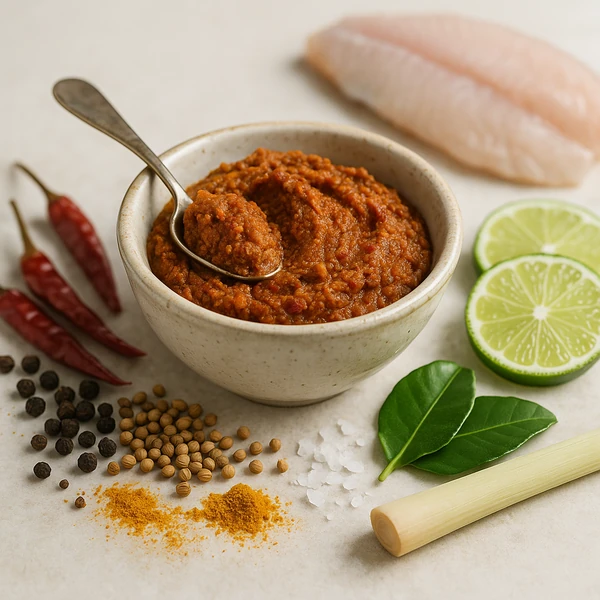
- Aromatic pastes: best for sauces, curries, and intense fragrance. They’re efficient because they already combine multiple aromatics and spices.
How to shop for a fish seasoning blend (and avoid disappointment)
- Check the salt level: some blends are heavily salted. If you use soy sauce or fish sauce too, you can easily overshoot.
- Look for a clear “direction”: citrus-forward, herbal, warm-spiced, or chili-heavy. Blends that try to do everything can taste muddy.
- Mind sugar in high-heat cooking: sweet blends are great for baking and glazing, but can scorch on a hot grill or skillet.
- Prefer freshness: ground spices fade. If a blend smells dusty or weak, it won’t wake up your fish.
- Consider texture: coarse blends can create a better crust; very fine powders can clump if the fish surface is wet.
Practical tips that make a bigger difference than extra spice
- Pat fish dry before seasoning. Moisture prevents browning and makes blends slide off.
- Season in two stages: a light base before cooking, then a bright finish (lime, herbs, a spoon of sauce) at the table.
- Keep acidic marinades short: for most fillets, 10–20 minutes is enough. Longer can soften the surface.
- Cook gently in sauces: once added to a simmering curry or broth, fish needs minutes—not half an hour.
- Balance heat with something round: coconut, a little sweetness, or a fruity condiment can make spicy fish taste more complete.
A quick “Asian-style” seasoning template you can memorize
Use this as a flexible starting point rather than a strict recipe:
- For delicate white fish: grated ginger + lime zest + a splash of light soy + a touch of oil.
- For rich fish: garlic + chili + a spoon of umami (soy/miso/fish sauce) + something sweet (honey or fruit-based sauce).
- For seafood stir-fries: garlic + chili + lime + a quick finish of sesame oil.
Optional quick idea: tandoori-style baked fish (weeknight-friendly)
Warm spice blends are excellent on fish when you keep the coating light and add a fresh finish.
- Mix a spoon of spiced seasoning with oil (and yogurt if you like a thicker coating).
- Coat fish lightly and rest for 10–15 minutes.
- Bake at a hot temperature until just cooked through.
- Finish with lemon/lime and a simple salad to keep the dish bright.
Our picks (easy wins for fish)
- Drana Tandoori Masala 500 g – a warm, aromatic spice mix that works especially well on salmon, trout, and baked white fish. Use lightly and finish with citrus for balance.
- Pasco Mango Sweet Chutney 320 g – a simple way to add sweet-sour balance next to grilled or pan-fried fish (especially if you used chili or strong spices).
- Pasco Mango Hot Chutney 320 g – great when you want a spicy, fruity counterpoint for rich fish or seafood skewers.
FAQ
How long should I marinate fish?
For most fillets, 10–20 minutes is plenty—especially with lime, lemon, vinegar, or tamarind. If your marinade is mostly oil and spices with little acid, you can go longer.
What if I don’t like “fishy” aromas?
Start with ginger, garlic, and citrus, and don’t skip drying the fish before cooking. These steps often matter more than strong spice blends.
Can I use strong spice blends on delicate fish?
Yes—just use a lighter coat and choose a cooking method that stays gentle (baking, steaming, or a quick pan sear). Then add freshness at the end (lime, herbs) to keep the dish from feeling heavy.

Recommended products1


Drana Fish 30 g
Read next
If you want to continue with the same topic, here are more related articles to explore: