Česky (CZK)
 Slovensky (EUR)
 Deutsch (EUR)
 Austria
 Belgium
 Bulgaria
 Croatia
 Denmark
 Estonia
 Finland
 France
 Germany
 Greece
 Hungary
 Italy
Italy Latvia
 Lithuania
 Luxembourg
 Netherlands
 Poland
 Portugal
 Romania
 Slovenia
 Spain
Spain Sweden










Steak Seasoning: How to Choose a Blend That Lifts the Meat (Including an Asian Twist)
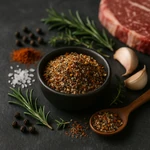
🥩 What “steak seasoning” really means
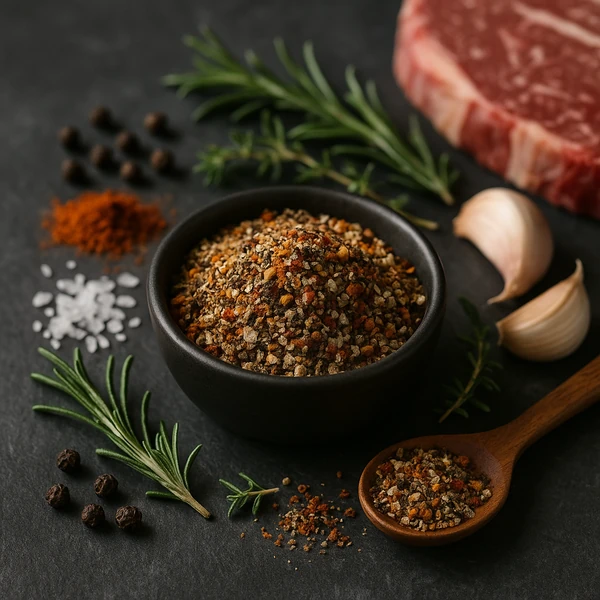
“Steak seasoning” is a flexible label, not one fixed recipe. In practice it usually refers to one of three approaches:
- Dry rub: a powdered blend you press onto the surface for a fragrant crust.
- Marinade: a wet mix that seasons more deeply and can soften the texture (sometimes too much, if left too long).
- Finishing glaze: brushed on at the end for shine, sweet–savory contrast, and a punchy final aroma.
Classic steak culture tends to emphasize salt, pepper, and heat management. Asian grilling traditions (from yakitori-style skewers to Korean barbecue to Southeast Asian marinades) add something different: layering—umami, gentle sweetness, aromatics, and a final “top note” like citrus, sesame, or chili.
🌶️ Flavor building blocks: what to look for in a steak blend
When you read a label (or build your own mix), it helps to think in “roles.” A balanced steak seasoning typically includes:
- Salt: the foundation for beefy flavor. If the blend is salty, you’ll use it differently than a salt-free rub.
- Pepper and heat: black pepper for bite; chili for warmth. Pepper can turn bitter if burned, so watch very high-heat searing.
- Aromatics: garlic, onion, ginger, or dried herbs. These become more fragrant as the surface browns.
- Umami boosters: mushroom powder, seaweed, fermented notes (often in marinades rather than dry rubs).
- Sweetness (optional): sugar can help browning and crust, but it also increases the risk of scorching on a hot pan or grill.
If you want an Asian-leaning profile, look for (or add) small amounts of toasted sesame, ginger, citrus zest, five-spice-style warmth, or a clean chili heat. The trick is restraint—steak should still taste like steak.
🍳 Dry rub vs. marinade vs. glaze: when each one works best
Dry rub (fast, crust-forward)
Use a dry rub when your priority is a bold seared crust and a clean, beef-first flavor. For thick cuts, a rub also helps create a more aromatic surface while the center stays juicy.
Timing: Either right before cooking (for a more “spice on the surface” effect) or 30–60 minutes ahead (for deeper seasoning if the rub contains salt).
Marinade (umami and aroma, great for sliced steak)
Marinades shine when you’re cooking steak in strips (stir-fry, rice bowls, noodle toppings) or when the cut is leaner and you want extra savory depth. Asian-style marinades often use soy-based salinity, a touch of sweetness, aromatics like garlic/ginger, and sometimes fruit enzymes.
Watch out: Long marinades with acidic ingredients (vinegar, citrus) can make the surface mushy. For most steaks, 30 minutes to 4 hours is plenty.
Finishing glaze (big impact, low risk)
Glazes are applied at the end—think of them as a “sauce-meets-varnish” layer. This is the easiest way to add an Asian vibe (sweet–spicy, soy–ginger, or tangy) without affecting the steak’s interior texture.
Timing: Brush on in the last 1–2 minutes of cooking, or after searing while the steak rests. Glazes with sugar burn quickly.
🧂 Choosing seasoning by meat and cut
- Beef steaks (ribeye, strip, sirloin): can handle bold pepper, garlic, and smoky notes. If the beef is high quality, keep the blend simple and let the fat carry flavor.
- Lean beef (tenderloin, eye of round): benefits from a bit more aroma and umami. Consider a light marinade or serve with a finishing sauce rather than heavy rubs.
- Pork steaks/chops: love a sweet–spicy edge and glazes. Ginger, chili, and a touch of sweetness are especially good here.
- Fatty cuts: pair well with heat (pepper/chili) and bright top notes (citrus, scallion, sesame) to balance richness.
✨ Simple ways to give steak an Asian-style character (without masking it)
You don’t need a “special” steak mix to shift the flavor direction. Use one of these small tweaks:
- Pepper + sesame finish: cook the steak with a peppery rub, then sprinkle toasted sesame and sliced scallions after resting for a nutty, fragrant lift.
- Ginger-garlic aroma layer: add a pinch of dried ginger and garlic to your rub (or use them in a quick pan sauce) to create that familiar stir-fry backbone.
- Sweet–salty glaze: brush on a soy-based glaze at the end for shine and umami. Keep it light so it doesn’t turn into “steak candy.”
- Chili as a side note: instead of adding lots of chili to the rub, serve heat on the side (chili oil, chili paste, or a spicy dipping sauce) so the steak stays balanced.
💡 Common mistakes (and how to avoid them)
- Over-sugaring a hot sear: if your blend contains sugar, lower the heat slightly or add sweetness as a glaze at the end.
- Burning pepper: very high heat can make pepper taste bitter. Consider peppering after the initial sear, or use coarser pepper and careful heat control.
- Too much seasoning too early: heavily salted blends left for hours can cure the surface and change texture. If you want to pre-season far ahead, use plain salt and add aromatics later.
- Skipping the rest: resting isn’t just for juiciness—aromas settle and the seasoning tastes more integrated. Give it 5–10 minutes depending on thickness.
🍯 Quick optional: 2-minute soy–ginger finishing glaze
This is a practical “Asian twist” that works with almost any steak seasoning.
- Mix: 1 tbsp soy sauce + 1 tsp honey or brown sugar + 1 tsp grated ginger (or a pinch of dried ginger) + a small squeeze of lime (optional).
- Use: brush onto the steak during the last minute of cooking, or spoon over slices after resting.
Tip: If you’re cooking in a pan, you can add the glaze to the hot pan off the heat, swirl briefly, and spoon it over the steak—less chance of burning.
Our picks
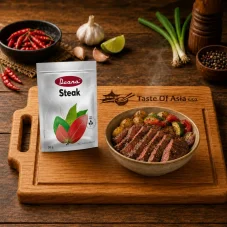
- Drana Steak 30 g – a ready-to-use steak seasoning option when you want consistent flavor without building a blend from scratch.
❓ FAQ
Should I season steak right before cooking or ahead of time?
If you’re using salt (alone or in a salty blend), either season right before cooking or at least 30–60 minutes ahead so it has time to dissolve and absorb. Seasoning 5–15 minutes ahead can sometimes draw moisture to the surface right as you’re trying to sear.
Can I use an Asian marinade on a thick steak?
You can, but it’s usually better for steak slices or thinner cuts. For thick steaks, consider a dry rub plus a finishing glaze—you get the aroma without changing the surface texture too much.
How do I keep seasoning from falling off?
Pat the steak dry, apply the rub evenly, and press it in. Avoid overly wet surfaces. If you’re using a glaze, apply it near the end so it sets instead of steaming off.

Recommended products1

Drana Steak 30 g
Read next
If you want to continue with the same topic, here are more related articles to explore: