Česky (CZK)
 Slovensky (EUR)
 Deutsch (EUR)
 Austria
 Belgium
 Bulgaria
 Croatia
 Denmark
 Estonia
 Finland
 France
 Germany
 Greece
 Hungary
 Italy
Italy Latvia
 Lithuania
 Luxembourg
 Netherlands
 Poland
 Portugal
 Romania
 Slovenia
 Spain
Spain Sweden










Whole Juniper Berries: An Aromatic Spice for Meat, Sauces, and Marinades
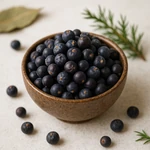
🌲 What whole juniper berries taste and smell like
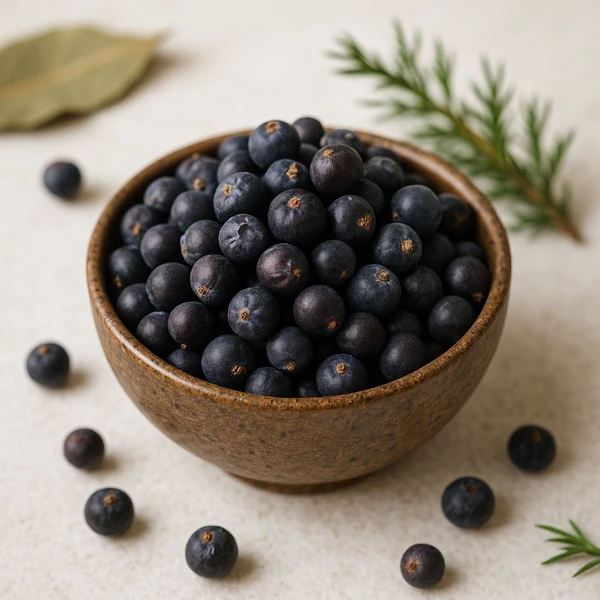
Juniper “berries” are actually the dried seed cones of the juniper plant. In the kitchen they behave like a bold aromatic spice: piney, slightly citrusy, peppery, and lightly bitter. That forest-like scent is the main reason cooks reach for them—especially when a dish needs more fragrance, a cleaner finish, or a counterpoint to fatty ingredients.
Juniper has a long history in European cooking (game, sauerkraut, slow braises) and in spirits (it’s the signature aroma in gin). Today it also fits neatly into Asian-inspired flavor building, where layers of aromatics—soy, ginger, garlic, chili, toasted spices—are common. Juniper adds an unexpected “cool” evergreen note that can make familiar marinades taste more complex.
🍖 How to use whole juniper berries (without overdoing it)
Whole vs. crushed
- Use them whole in stocks, soups, braises, and pickling brine. The aroma infuses gradually and stays cleaner.
- Lightly crush them for marinades, rubs, or quick pan sauces. Crushing helps the essential oils release faster.
Should you toast them?
A brief dry-toast (10–20 seconds in a hot pan) can round out the aroma and make it smell warmer and fuller—similar to toasting whole peppercorns. Keep it short: juniper burns quickly and can turn harsh.
How much to use (practical starting points)
Juniper is powerful. Start small and adjust next time.
- For a pot of stock or stew (3–5 liters / quarts): 4–8 berries, whole.
- For a braise or roast (about 1–1.5 kg / 2–3 lb meat): 6–10 berries, lightly crushed.
- For a marinade (500 g / 1 lb protein): 3–6 berries, crushed, depending on other strong flavors.
If you’re simmering for a long time, the flavor keeps developing. It’s easier to add juniper early than to fix an overly resinous sauce later.
🥄 Where juniper shines: best uses and pairings
Classic applications
- Rich meats: pork shoulder, duck, lamb, beef shin, sausages. Juniper helps lift heaviness and adds a fresh aromatic top note.
- Game dishes: venison, wild boar, rabbit—juniper is a traditional match for deep, earthy flavors.
- Gravy and pan sauces: a few crushed berries can make a simple sauce taste slow-cooked.
- Stocks and soups: especially when you want a more fragrant base (use sparingly).
- Pickling and brining: vegetables, mushrooms, onions, cabbage—juniper adds a crisp, spicy edge.
Asian-inspired ideas (where it actually works)
Juniper pairs well with salty-fermented and aromatic profiles. Try it in small amounts with:
- Soy sauce + ginger + garlic: juniper adds a pine-citrus note that feels fresh rather than sweet.
- Chili and Sichuan-style heat: use minimally so it doesn’t clash with numbing spices; think “background aroma.”
- Roasted or grilled flavors: juniper complements char and smoke, especially in skewers or grilled pork.
⚖️ Choosing and prepping juniper berries
What to look for
- Strong aroma: good juniper should smell clearly piney when you rub a berry between your fingers.
- Even color and intact berries: very dusty, broken berries often taste flatter.
- Clean, dry storage: moisture is the enemy of aromatic spices.
How to crush properly
Use the flat side of a knife, a mortar and pestle, or a pepper mill you don’t mind dedicating to strong spices. The goal is to crack the berries—not grind them into powder. Powder can turn the dish muddy and make bitterness more noticeable.
🧂 Common mistakes (and how to avoid them)
- Using too many berries: the dish can become medicinal or overly “gin-like.” Start with fewer than you think.
- Leaving whole berries in a smooth sauce: biting into one is intense. Simmer with whole berries, then strain or remove before serving.
- Burning during toasting: toast briefly and watch closely; bitter smoke-like notes come fast.
- Long cooking with crushed berries: for long braises, keep berries whole or only lightly crushed—heavy crushing can amplify bitterness over time.
🍽️ Quick usage tip: Soy-ginger juniper marinade (no fuss)
This is a simple way to understand what juniper does in a modern marinade without overwhelming the dish.
Ingredients (for about 500 g / 1 lb pork, chicken thighs, or firm tofu)
- 2 tbsp soy sauce
- 1 tbsp neutral oil
- 1–2 tsp sugar or honey (optional)
- 1 tbsp grated ginger
- 1 small garlic clove, grated
- 3–5 juniper berries, lightly crushed
- Black pepper to taste
Method
- Mix everything and let the crushed juniper steep in the marinade for 5 minutes.
- Marinate protein for 30 minutes (tofu) to 2 hours (meat).
- Grill, roast, or pan-sear. If you see larger berry pieces, brush them off before cooking to prevent scorching.
What to expect: not “pine-forward,” but a cleaner, more aromatic finish that makes soy-ginger taste deeper and less one-dimensional.
Our picks
- Whole juniper berries for braises, stocks, and pickling
- Whole spices for layering (peppercorns, caraway, bay leaves)
- Soy sauce and aromatics (ginger, garlic, chili) for modern marinades
Related categories
- Whole spices
- Marinades and seasoning staples
- Pickling and brining ingredients
❓ FAQ
Do I need to grind juniper berries?
Usually no. Whole berries infuse gently and are easier to remove. Crushing is best for marinades and quick cooking where you need fast flavor release.
Can juniper replace rosemary?
They share some evergreen character, but juniper is more resinous and citrusy, with a slightly bitter edge. Use it as a different tool, not a direct swap.
How should I store juniper?
Keep it tightly sealed, dry, and away from heat and light. Whole berries hold their aroma longer than ground spices.

Recommended products1
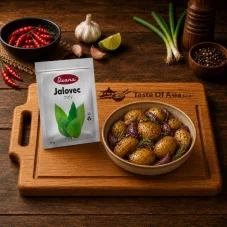
Drana Juniper Whole 15 g
Read next
If you want to continue with the same topic, here are more related articles to explore: