

 Česky (CZK)
 Slovensky (EUR)
 Deutsch (EUR)
 Austria
 Belgium
 Bulgaria
 Croatia
 Denmark
 Estonia
 Finland
 France
 Germany
 Greece
 Hungary
 Italy
Italy Latvia
 Lithuania
 Luxembourg
 Netherlands
 Poland
 Portugal
 Romania
 Slovenia
 Spain
Spain Sweden










Whole Star Anise: The Star-Shaped Spice That Elevates Broths, Sauces, and Desserts
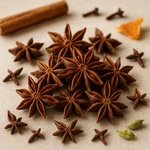
🌟 What whole star anise is (and what it tastes like)
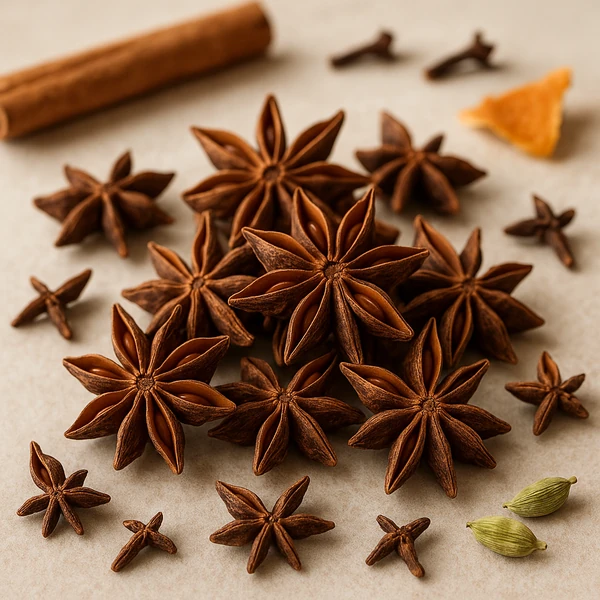
Star anise is the dried, star-shaped fruit of Illicium verum, traditionally grown in parts of China and Vietnam. Each “point” usually holds a seed, but in cooking the whole pod is the star of the show—especially for slow-simmered dishes, where its aroma unfolds gradually.
Flavor profile: sweet, warm, and anise-forward, with hints of licorice and subtle peppery spice. In small amounts it tastes comforting and rounded; in larger amounts it can become perfumed and dominant.
Good to know: Star anise is not the same as anise seed. They share similar aromas, but star anise is more intense and woody, and it’s typically used whole for infusing rather than sprinkled in.
🍲 Why Asian cuisines love it
Star anise often plays a “backbone” role: it supports savory depth (umami) while adding a sweet-spice top note that makes broths and sauces smell irresistible. You’ll run into it in Vietnamese-style noodle broths, Chinese red-braised dishes, and spice blends such as five-spice powder (where it’s commonly paired with cinnamon, clove, and fennel).
🔥 How to use whole star anise in everyday cooking
Broths, soups, and noodle bases
Add star anise early if you want a full, integrated aroma—especially in long-simmered chicken, beef, or vegetable broths. Treat it like a bay leaf: it’s there to infuse, not to eat. Remove it before serving.
- Starting point: 1 whole star for a medium pot of broth (about 2–3 liters / 2–3 quarts).
- For a lighter touch: add it halfway through simmering, then remove after 15–30 minutes.
Braises, stews, and slow sauces
Star anise is especially at home in slow, savory dishes where the sauce reduces and thickens. It pairs beautifully with soy-based seasonings, aromatics like ginger and garlic, and a touch of sweetness (rock sugar, palm sugar, or even a bit of honey).
- Best practice: simmer with the sauce, then fish it out before plating.
- Shortcut: tie the star anise in a small piece of cheesecloth or drop it into a tea infuser for easy removal.
Marinades and infusions (without over-spicing)
If you want fragrance rather than strong flavor, infuse the marinade gently: warm it with star anise for a few minutes, let it cool, then remove the spice. This gives you the aroma without pushing the dish into a “licorice” direction.
Desserts, fruit, and syrups
Because star anise is naturally sweet-spiced, it works surprisingly well in desserts—especially with apples, pears, citrus, and stone fruit. The key is steeping rather than prolonged boiling.
- Try it with: poached pears, stewed plums, citrus compote, chai-style milk, or a simple syrup for cocktails and iced tea.
- Timing tip: steep 5–10 minutes, taste, then remove.
⚖️ How much to use (so it doesn’t take over)
Star anise is powerful. Most “over-spiced” dishes happen for two reasons: too many pods, or too much time.
- Rule of thumb: 1 pod per pot is often enough for broths, braises, and sauces.
- Adjust by size: larger pods are stronger; broken pieces release faster.
- Taste as you go: if the aroma starts to smell like candy or perfume, remove the star anise immediately.
- Don’t serve it in the bowl: biting into a pod or seed is unpleasantly intense.
🧩 Flavor pairings: what works (and what can clash)
Star anise shines when it has structure around it—salty, savory, and aromatic ingredients that can carry its sweetness.
- Great partners: cinnamon, clove, fennel, Sichuan peppercorn, ginger, garlic, scallion, dried citrus peel, chili.
- Umami-friendly ingredients: soy sauce, fermented bean pastes, long-simmered stocks, mushrooms.
- Use caution with: delicate dishes (mild fish, light cream sauces) and recipes that already contain a lot of sweet spices—star anise can push them into a heavy, “holiday potpourri” zone.
🧠 Common mistakes (and easy fixes)
- Boiling it hard: a rolling boil can make the aroma harsh. Fix: simmer gently.
- Leaving it in too long: long contact time can dominate a sauce. Fix: add later or remove after 20–30 minutes.
- Crushing it too early: broken pods release fast and can turn bitter. Fix: use whole pods for infusing; grind only when a recipe truly needs it.
- Buying the wrong kind: only use culinary-grade Illicium verum. Some ornamental relatives (often discussed as “Japanese star anise”) are not for eating. Fix: purchase from reputable food suppliers and keep the packaging.
🫙 Storage and handling
- Keep it whole: whole pods hold their aroma longer than ground spice.
- Store airtight: away from heat, moisture, and sunlight.
- Shelf life: it won’t “spoil” quickly, but the fragrance fades—replace when it smells flat or dusty.
🍯 A quick, practical idea: star anise infusion syrup
If you want a low-risk way to learn the flavor, try a simple infusion you can use in drinks or fruit desserts.
- Bring 250 ml (1 cup) water and 200 g (1 cup) sugar to a gentle simmer.
- Add 1 whole star anise (optionally a strip of orange peel).
- Simmer 2 minutes, turn off the heat, and steep 5–8 minutes.
- Remove the spice, cool, and refrigerate.
The result should be fragrant and warm—not aggressively licorice-like. If it’s too strong, shorten the steeping time next round.
Our picks
- Whole star anise pods (for broths, braises, and infusions)
- Five-spice blend (when you want a ready-made aromatic profile)
- Cinnamon sticks and cloves (classic companions for long simmers)
Related categories
- Whole spices
- Soup and broth aromatics
- Chinese & Vietnamese pantry essentials
FAQ
Can I eat the pod or the seeds?
It’s technically edible, but it’s not pleasant. Star anise is typically used for infusing and then removed, like bay leaf.
Should I toast star anise first?
Optional. A brief dry toast (10–20 seconds) can intensify aroma, but it’s easy to scorch. If you’re new to it, skip toasting and rely on gentle simmering instead.
What’s the best dish to start with?
A simple broth or braise where you can remove the pod and taste the effect. Start with one star, then adjust on your next batch.

Recommended products3
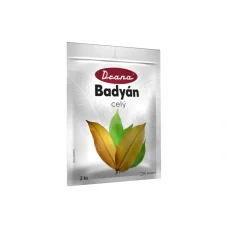
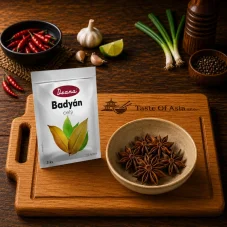
Drana Star anise Whole 3 pcs
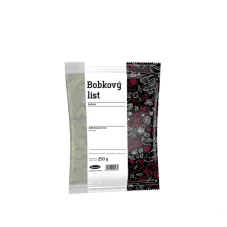
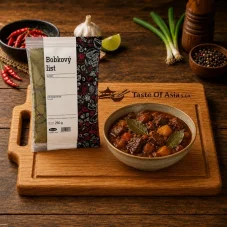
Drana Bay Leaf 250 g
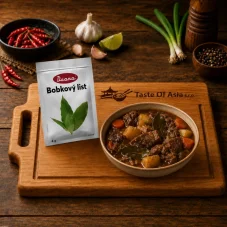
Drana Bay Leaf 4 g
Read next
If you want to continue with the same topic, here are more related articles to explore: