Česky (CZK)
 Slovensky (EUR)
 Deutsch (EUR)
 Austria
 Belgium
 Bulgaria
 Croatia
 Denmark
 Estonia
 Finland
 France
 Germany
 Greece
 Hungary
 Italy
Italy Latvia
 Lithuania
 Luxembourg
 Netherlands
 Poland
 Portugal
 Romania
 Slovenia
 Spain
Spain Sweden










Whole Cloves: A Small Spice with a Big Aroma (and How to Use It)
🌿 Why whole cloves deserve a spot in your pantry
Cloves are one of those spices that work in the background: you rarely want the dish to taste “like cloves,” yet a tiny amount can make the flavour feel deeper, warmer, and more complete. In many Asian cuisines, cloves show up in long-cooked dishes, aromatic rice, and spice blends—often used whole so they perfume the food gently and can be removed before serving.
👃 What whole cloves are (and what they taste like)
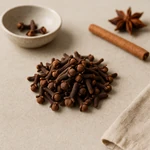
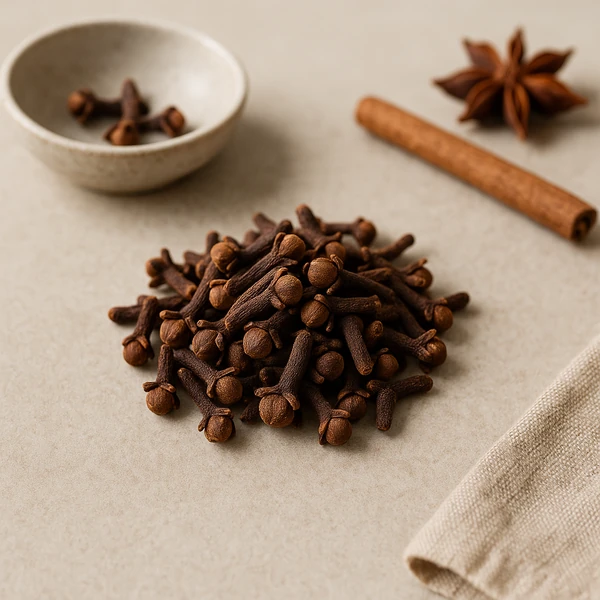
Whole cloves are dried flower buds of the clove tree (Syzygium aromaticum). They’re small, dark brown, and shaped like a tiny nail with a round “head.” Their aroma is intense and releases quickly with heat.
Flavour profile: warm, sweet-spicy, slightly peppery, with a lingering, almost numbing finish if used too generously. When overdone, cloves can turn sharp and “medicinal,” so restraint matters.
A quick note on origin: cloves are closely associated with Southeast Asia, particularly the historic spice trade routes linked to the Maluku Islands (Indonesia). Today they’re used across South, Southeast, and East Asia—especially in dishes built on layered aromatics and slow simmering.
🍛 How to cook with whole cloves (without overpowering your food)
1) Start small, then adjust
Whole cloves are potent. For most home cooking, 1–3 cloves are enough for a pot serving 2–4 people (rice, curry, stew, or broth). If you’re unsure, use fewer—clove intensity is hard to “undo” once it’s in.
2) Use heat to release aroma—gently
- In hot fat: add cloves to oil or ghee for 10–20 seconds to bloom the aroma, then immediately add onions/garlic/ginger so the spice doesn’t scorch.
- In simmering liquid: drop cloves into sauces, broths, or braises and let them infuse slowly.
- In rice: add cloves to the pot while cooking, then remove them before serving.
3) Remove before serving
Whole cloves are meant to be an aromatic “insert,” not a bite. Biting into one is unpleasantly intense. Treat them like bay leaves: count them in, and count them out.
🍚 Where whole cloves work especially well in Asian cooking
- Aromatic rice and pilaf-style sides: a couple of cloves add a festive, warm fragrance—especially alongside other whole spices (think cinnamon, star anise, cardamom, bay).
- Indian-inspired gravies and lentils: cloves support tomato-based or creamy sauces and help round out “warm spice” profiles.
- Slow braises and stews: cloves shine when there’s time for the flavour to mellow (coconut-based stews, soy-braised dishes, richly spiced curries).
- Sweet-and-sour sauces with fruit notes: used sparingly, cloves can lift pineapple- or tomato-leaning sweet-and-sour profiles by adding depth.
- Tea and warm drinks: one clove in black tea (optionally with ginger) adds a subtle wintery aroma.
🧂 Whole vs. ground cloves: when to choose which
Choose whole cloves when:
- you want a gentler infusion rather than an upfront clove taste,
- the dish cooks for a while (rice, stews, sauces, broths),
- you prefer being able to remove the spice before serving.
Choose ground cloves when:
- you’re making a spice blend that should be evenly distributed,
- you need the aroma to show up quickly (baking-style applications, quick sauces),
- you can measure very precisely—ground cloves are easier to overdo.
Pairing ideas (and what to be careful with)
Pairs well with: cinnamon, star anise, cardamom, bay leaf, ginger, garlic, onion, black pepper, chilli, coconut milk, tomatoes, legumes, and fragrant rice.
Use caution with: delicate broths, lightly seasoned vegetable soups, and subtle seafood dishes—cloves can easily dominate. If the goal is freshness and lightness, reach for citrus, herbs, or white pepper instead.
Common mistakes (and how to avoid them)
- Too many cloves: the dish can become harsh. Fixing it is difficult—try diluting with more base (more sauce/rice) rather than adding sweetness.
- Burning in oil: cloves go from fragrant to bitter fast. Bloom briefly, then add other ingredients right away.
- Forgetting to remove them: always add a set number so you can fish them out later.
Storage and buying tips
- What to look for: intact buds with a strong aroma as soon as you open the pack. Excessively broken pieces lose fragrance faster.
- How to store: airtight container, away from heat and light. Whole cloves keep their aroma longer than ground cloves, but they still fade over time.
- Quick freshness check: crush one clove between your fingers—if it smells vivid and warm, you’re good.
Quick kitchen idea: clove-scented rice (no special equipment)
- Rinse your rice as usual.
- Add water and salt, then drop in 2 whole cloves (for about 2 cups cooked rice).
- Cook normally. Let the rice rest, then remove the cloves before fluffing.
The result shouldn’t taste like a spice cabinet—just a little more aromatic and “complete,” especially alongside curries, grilled meats, or coconut-based dishes.
Our pick (for spicy meals where cloves add depth)
- Koningsvogel Chilli paste Sambal Badjak extra hot 375 g – If you’re cooking a rich, spicy stew or sauce, a spoon of sambal can add heat while a couple of whole cloves quietly build warmth in the background.
❓ Mini FAQ
Can I eat whole cloves?
You can, but it’s not enjoyable in most savoury dishes. They’re typically infused and removed.
How many whole cloves should I add to a curry?
For a home-sized pot, start with 1–3 cloves. If you’re also using other warm spices (cinnamon, star anise), stay on the lower end.
Do whole cloves lose strength over time?
Yes. They last longer than ground cloves, but store them airtight and replace when the aroma becomes faint.

Recommended products1
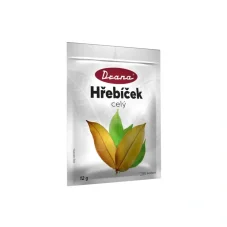
Drana Clove Whole 12 g
Read next
If you want to continue with the same topic, here are more related articles to explore: