Česky (CZK)
 Slovensky (EUR)
 Deutsch (EUR)
 Austria
 Belgium
 Bulgaria
 Croatia
 Denmark
 Estonia
 Finland
 France
 Germany
 Greece
 Hungary
 Italy
Italy Latvia
 Lithuania
 Luxembourg
 Netherlands
 Poland
 Portugal
 Romania
 Slovenia
 Spain
Spain Sweden










Goulash seasoning how to use it correctly?
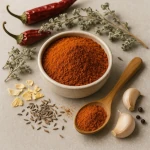
🌶️ What “goulash seasoning” usually is (and what it tastes like)
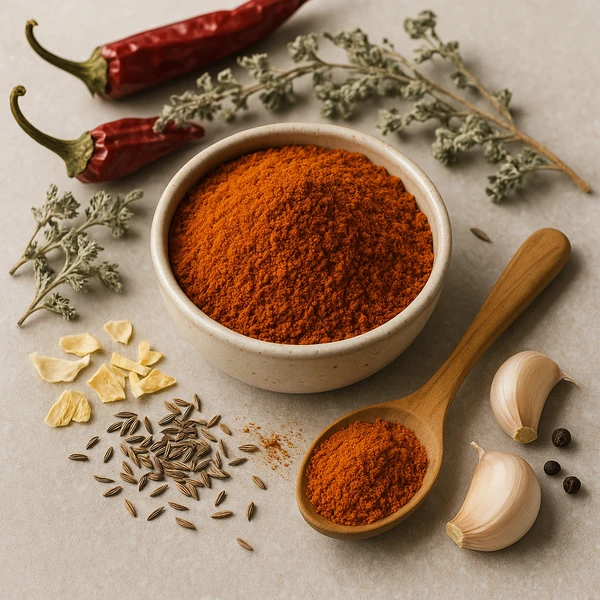
Goulash seasoning is a paprika-forward spice blend inspired by Central European stew cooking—think slow-simmered onions, gentle heat, and a rounded, savoury finish. There isn’t one universal recipe, but many blends combine:
- Sweet paprika (colour, warmth, subtle sweetness)
- Herbs such as marjoram (a classic “goulash” note)
- Aromatics like dried garlic/onion
- Spices such as black pepper, caraway, sometimes cumin
- Optional salt (varies a lot by brand)
Flavour-wise it’s warming, savoury, slightly sweet and earthy. When you bloom it gently in oil, it becomes noticeably more aromatic—great for building depth fast, even in “weeknight” dishes.
🍳 The key technique: how to use it without burning the paprika
Paprika is the heart of most goulash blends—and it’s also the part that can turn unpleasant if overheated. To keep the flavour full (not bitter), use this simple rule:
- Cook your base first (onion, garlic, ginger, mushrooms, sliced meat/tofu).
- Lower the heat, then add the seasoning for 10–20 seconds—just until fragrant.
- Immediately add moisture (a splash of stock, water, tomato, soy sauce, or coconut milk), then simmer or toss.
If you’re cooking on a very hot wok-style burner, it’s often safer to mix the seasoning into a quick sauce (liquid + seasoning) and pour it in, rather than putting the spices directly onto the hottest metal.
🧂 Watch the salt (especially in fusion dishes)
Some goulash blends contain salt. If you also use soy sauce, oyster sauce, fish sauce, or stock cubes, salt can creep up quickly. A practical approach:
- Add half the seasoning you think you need.
- Use salty sauces sparingly at first.
- Adjust salt at the end, after reducing.
🍚 Why it works with rice: paprika likes starch
Rice is a neutral canvas that absorbs fat-soluble aromas well. A paprika-herb blend can make plain rice taste “cooked with intention” without needing a long ingredient list.
Easy ways to use it with rice
- Season the oil, not the rice: briefly bloom the spice in oil with onions, then fold in cooked rice.
- Add umami gently: mushrooms, a little soy sauce, or a small spoon of tomato paste deepen the savoury side.
- Finish with acidity: a squeeze of lemon/lime or a few drops of vinegar keeps the paprika profile bright.
Result: a rice dish that feels hearty and comforting, but still works with stir-fried vegetables, tofu, chicken, or prawns.
🍜 Why it works with noodles: it mimics “stew flavour” in a fast sauce
Noodles shine when the seasoning turns into a light coating sauce. Goulash seasoning already contains the “stew base” idea—paprika + herbs + aromatics—so you can build a satisfying noodle dish quickly by adding just a few supporting flavours.
A simple noodle sauce formula
Whisk together:
- 1–2 tsp goulash seasoning
- 1–2 tbsp soy sauce (or a milder alternative, to taste)
- 2–4 tbsp water or stock
- 1 tsp vinegar or lime juice
- Optional: a pinch of sugar or a drizzle of honey to round edges
Toss with hot noodles and stir-fried vegetables. If you want heat, add chilli at the end so it doesn’t dominate the paprika aroma.
✅ Pairings that make the blend feel “Asian-inspired” (not confused)
Think in flavour roles: paprika brings warmth and colour, so pair it with ingredients that add salt, freshness, and aroma.
Works especially well
- Garlic + ginger: ginger lifts the heavier paprika notes.
- Soy sauce (small amount): adds savoury depth; go slowly to avoid oversalting.
- Mushrooms: reinforce “meaty” umami without extra meat.
- Tomato paste: makes a rich, glossy sauce base that clings to noodles.
- Vinegar/lime: the quickest way to keep the dish from tasting flat.
- Sesame oil (finish): a few drops at the end add aroma without fighting paprika.
Use caution with
- Very sweet sauces: too much sweetness can make the blend taste heavy and dull.
- High-heat dry frying: easy path to bitter paprika—add liquid sooner.
- Too many competing spice blends: if you combine multiple mixes, keep one as “lead” and the others as accents.
🛒 Choosing a goulash seasoning blend: what to check on the label
Two blends with the same name can behave very differently. Before you commit it to rice or noodles, check:
- Salt content: if salt is listed early, treat it as a seasoned salt blend and adjust your sauces accordingly.
- Type of paprika: sweet paprika is easiest for everyday cooking; hot paprika means you’ll need less.
- Herb level: blends heavy on marjoram can taste more “classic stew”; lighter-herb blends fit fusion dishes more easily.
- Smoked notes: if the blend is smoky, it can be excellent with grilled vegetables and noodles, but can overpower delicate broths.
📦 Storage: how to keep the flavour strong
Spice blends lose aroma mainly due to light, heat, and moisture. For best results:
- Store in an airtight container, away from the stove.
- Keep it dry (no wet spoons).
- If the blend smells dull, don’t just add more—bloom it in oil and support it with fresh aromatics (onion, garlic, ginger) and a touch of acidity.
🥘 Quick practical idea (10–15 minutes): paprika-herb veggie noodles
- Stir-fry sliced onion and mushrooms (or cabbage, peppers, carrots) in a little oil.
- Lower heat, add 1 tsp goulash seasoning; stir for 15 seconds.
- Add a splash of water/stock and 1 tbsp soy sauce; simmer 30 seconds.
- Toss in cooked noodles; mix until coated.
- Finish with lime or vinegar and a few drops of sesame oil (optional).
It’s simple, but it shows the main idea: treat the seasoning like a flavour base, then “aim” it toward noodles with umami + acidity.
❓ FAQ
Is goulash seasoning spicy?
Often it’s mild and warming rather than hot, but it depends on whether the blend contains hot paprika or chilli. Start small and build.
Can I use it as a dry rub for stir-fry meat?
Yes, but avoid burning it. Sear the meat first, then add the seasoning briefly at lower heat and deglaze with liquid.
Why did my dish turn bitter?
Most commonly from overheating paprika. Add the seasoning later, lower the heat, and introduce liquid quickly.
Our picks (ingredient ideas to try next)
- Sweet paprika or smoked paprika (to adjust colour and depth)
- Soy sauce (for controlled umami)
- Rice vinegar or lime (to brighten paprika-heavy dishes)
Related categories
- Spice blends
- Noodles and rice
- Asian sauces for stir-fry and marinades

Recommended products2
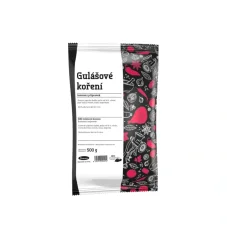
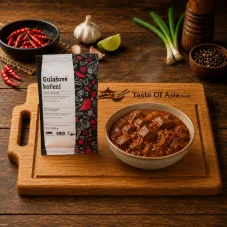
Drana Goulash Seasoning 500 g

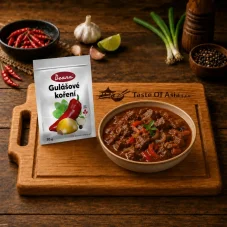
Drana Goulash seasoning 30 g
Read next
If you want to continue with the same topic, here are more related articles to explore: