Česky (CZK)
 Slovensky (EUR)
 Deutsch (EUR)
 Austria
 Belgium
 Bulgaria
 Croatia
 Denmark
 Estonia
 Finland
 France
 Germany
 Greece
 Hungary
 Italy
Italy Latvia
 Lithuania
 Luxembourg
 Netherlands
 Poland
 Portugal
 Romania
 Slovenia
 Spain
Spain Sweden










Curry Spice: What It Is, How to Use It, and How to Choose the Right Blend
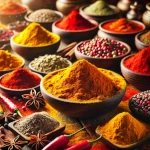
What “curry” means in a spice jar 🌿
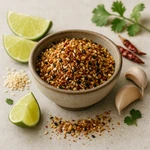
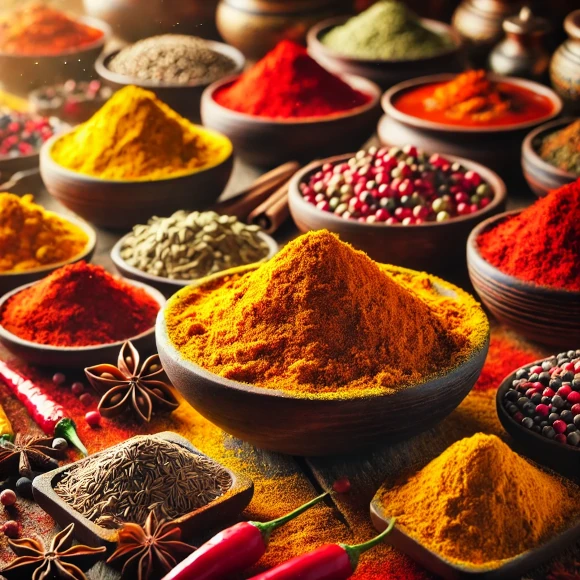
In many English-speaking countries, curry powder refers to a blended spice mix designed to evoke the flavours of South Asian cooking in a convenient, pantry-friendly form. It’s important to know that in India and neighbouring regions, cooks typically build flavour from individual spices (often freshly ground) and from region-specific blends—not from one universal “curry powder.”
So when you buy curry spice, you’re usually buying a Western-style blend inspired by Indian spice profiles. That’s not a bad thing—it’s simply a different tool: consistent, easy to use, and great for quick meals.
Where curry powder comes from 🧭
Spice blends have been part of Indian cooking for thousands of years, but the idea of a standardized “curry powder” spread globally during the colonial era. British cooks and merchants wanted the taste of the spiced dishes they encountered abroad, yet needed something practical for home kitchens. Blended powders—often featuring turmeric for colour, plus coriander, cumin, fenugreek, and chilli—became the solution and later travelled worldwide.
Over time, “curry” evolved into many local styles: from mild, slightly sweet Japanese curry to fragrant coconut-based Thai curries. Today, the word can describe a flavour family rather than one recipe.
What curry spice typically tastes like 👃
Most curry powders share a few core notes:
- Earthy warmth (cumin, coriander, fenugreek)
- Golden colour and gentle bitterness (turmeric)
- Sweet spice (sometimes cinnamon, clove, cardamom)
- Heat (chilli or pepper, depending on the blend)
The exact balance varies by brand and style. Two jars labelled “curry” can taste completely different—one bright and mild, another smoky and hot.
Curry powder vs curry paste: which should you use? 🥄
Curry powder is dry, shelf-stable, and great for quick sautés, soups, rice, and marinades. Curry paste (common in Thai-style cooking) is wet and more intense, often made with aromatics like lemongrass, galangal/ginger, garlic, shallots, and chillies. Pastes deliver bold flavour fast, especially in coconut milk-based dishes.
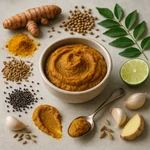
If you cook Thai curries often, it’s worth keeping a paste on hand; browse curry pastes for different heat levels and styles.
How to cook with curry spice (so it tastes rich, not dusty) 🔥
1) Bloom it in fat
The most common mistake is adding curry powder only at the end. For deeper aroma, warm it first:
- Heat a little oil or ghee.
- Add onion/garlic (optional) and cook briefly.
- Stir in curry powder for 15–30 seconds until fragrant.
- Then add liquids (stock, coconut milk, tomatoes) and your main ingredients.
2) Match the base to the style
- Coconut milk = round, slightly sweet curries (great with chicken, tofu, pumpkin).
- Tomato = brighter, tangier sauces (nice with chickpeas or lentils).
- Yogurt = creamy, gently sour (best added off the heat to prevent splitting).
3) Start small and season in layers
For most blends, begin with 1–2 teaspoons per 2 servings, then adjust. Some curry powders include salt; others don’t—taste before you season.
What to pair with curry spice 🥕
Curry powder is versatile beyond “curry” dinners. Try it with:
- Vegetables: roasted cauliflower, carrots, sweet potato, cabbage
- Legumes: lentils, chickpeas, beans (especially with tomato and a squeeze of lemon)
- Meat & fish: chicken thighs, lamb, white fish (use a lighter hand for delicate fish)
- Rice & grains: stir a pinch into rice while cooking, or into pilaf with peas
- Everyday shortcuts: add to mayo or yogurt for a quick sandwich spread
Types of curry blends: mild, hot, and regional styles 🌶️
Mild curry
Usually low in chilli and high in aromatic spices. Good for family meals, creamy sauces, egg dishes, and gentle vegetable curries.
Hot curry
More chilli and pepper, sometimes with extra ginger-like heat. Better for robust ingredients (beef, lamb, hearty stews) and if you like a lingering burn.
Japanese-style curry powder
Often warm and slightly sweet, designed for thick sauces (think curry roux style). It pairs well with potatoes, carrots, onions, and breaded cutlets.
Thai curry pastes
Red, green, yellow, panang, massaman—these rely heavily on fresh aromatics. They’re ideal when you want a bold curry quickly, especially with coconut milk.
How to choose a good curry spice 🧾
- Check the ingredient list: turmeric is common, but look for coriander/cumin/fenugreek for depth. If salt is included, plan seasoning accordingly.
- Look for freshness: curry powder should smell lively and aromatic. A dull, cardboard-like aroma means it’s past its best.
- Pick the right heat level: “mild” and “hot” aren’t standardized—start with smaller amounts when trying a new brand.
- Mind the colour: very bright yellow often signals a turmeric-forward blend (great for colour, sometimes a bit more earthy/bitter).
Storage tips (and why curry goes flat) 🫙
Heat, light, air, and time dull spices. Keep curry powder tightly closed in a cupboard away from the stove. For best flavour, aim to use it within 6–12 months of opening. If you cook occasionally, buy smaller packs so it stays fragrant.
Quick everyday idea: 15-minute chickpea curry bowl 🍛
Not a formal recipe—just a dependable method you can repeat:
- Bloom 1–2 tsp curry powder in oil with chopped onion (optional).
- Add 1 can chickpeas (drained) and stir to coat.
- Pour in 200–300 ml coconut milk or crushed tomatoes, simmer 8–10 minutes.
- Finish with salt, a squeeze of lemon or lime, and spinach if you like.
- Serve with rice; top with yogurt for a milder finish.
About “health benefits” (a practical note) 🧡
Many curry blends include spices such as turmeric, cumin, and coriander, which are widely studied for their antioxidant and digestive-supportive properties. In everyday cooking, the most meaningful “benefit” is often simpler: curry makes it easier to eat more legumes and vegetables because it adds satisfying flavour. If you have medical conditions or take medication, treat spices as food—not as supplements—and ask a professional for tailored advice.
Our picks
- Drana Curry Powder 30 g – a simple pantry-size option for everyday cooking.
- Lobo Panang curry paste 50 g – great for creamy, peanuty Thai-style curries.
- Cock Brand Kari Matsaman Paste 400 g – ideal for mild, aromatic curries with warm spices.
Related category
- Curry pastes – explore Thai-style options by colour and heat.
FAQ
Is curry powder spicy?
Not necessarily. “Curry” can be mild or hot depending on the blend. If you’re unsure, start with a small amount and build gradually.
Can I use curry powder instead of curry paste?
You can, but expect a different flavour. Paste gives fresher, sharper aromatics; powder gives a drier, warmer spice profile. Either works—choose based on the dish and what you have.
Why does my curry taste bitter?
Common causes are too much turmeric-heavy powder, cooking it too long on high heat, or using old spice. Bloom briefly, then add liquids, and balance with a touch of sweetness (coconut milk) or acidity (lemon/lime).

Recommended products1
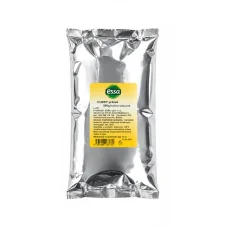
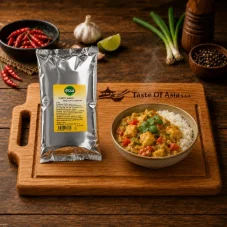

Essa Curry ground 500 g
Read next
If you want to continue with the same topic, here are more related articles to explore: