

 Česky (CZK)
 Slovensky (EUR)
 Deutsch (EUR)
 Austria
 Belgium
 Bulgaria
 Croatia
 Denmark
 Estonia
 Finland
 France
 Germany
 Greece
 Hungary
 Italy
Italy Latvia
 Lithuania
 Luxembourg
 Netherlands
 Poland
 Portugal
 Romania
 Slovenia
 Spain
Spain Sweden










Allspice: how to use it and what to combine it with?
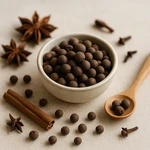
Why whole allspice is worth keeping in your spice drawer
Allspice is often treated as a “background” spice—added automatically to a stock pot or a pickling brine. That’s exactly where it shines: it rounds out savoury dishes, adds a subtle sweet warmth, and makes the overall aroma feel more complete. Used thoughtfully, it can also bridge flavours when you cook Asian-inspired food at home—especially dishes built on slow simmering, marinades, or fragrant rice.
Whole berries are particularly practical. They release flavour gradually, are harder to overdo than ground allspice, and you can remove them easily before serving.
🌿 What is allspice (and why it smells like several spices at once)?
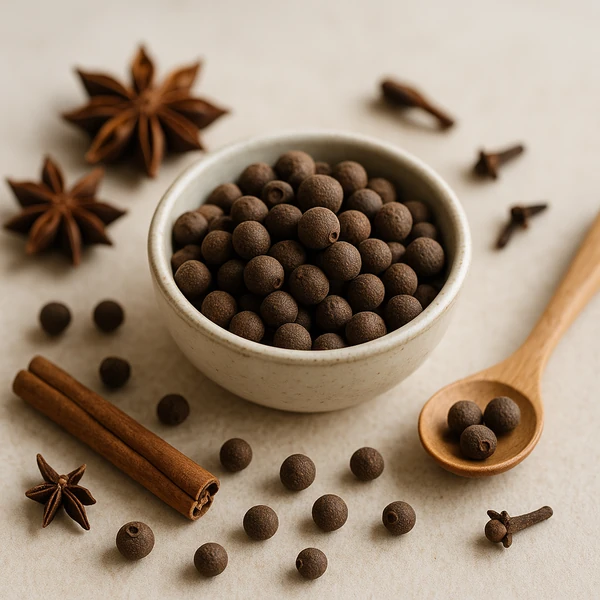
Allspice comes from the dried berries of Pimenta dioica, a plant native to the Caribbean and parts of Central America. The English name “allspice” reflects what many people notice instantly: it can suggest clove-like warmth, cinnamon-like sweetness, and peppery bite—without being identical to any of them.
Flavour profile (whole berries): warm, slightly sweet, mildly peppery, with a “winter spice” perfume. It doesn’t taste hot like chilli; instead, it adds depth and a gentle, lingering aromatic note.
🍲 How to cook with whole allspice berries
When to add it
- Long simmers (broths, braises, stews): add early so the aroma has time to bloom.
- Quick sauces: simmer briefly, then remove the berries once the sauce smells rounded and fragrant.
- Rice: add to the cooking water (or to the pot while steaming) and discard before serving.
- Pickles and brines: add directly to the liquid; whole berries keep the brine clear and easy to strain.
How much to use (practical dosing)
Whole allspice is potent. Start small and scale up based on the size of your pot.
- For 1 litre / 1 quart of broth: 2–4 berries
- For a pot of rice (2 cups uncooked): 2–3 berries
- For a marinade (500 g / 1 lb protein): 2–4 berries, lightly crushed
If you can clearly identify “allspice” as the main flavour, you’ve likely used too much for savoury cooking. The goal is usually a supportive, background warmth.
Whole vs. crushed vs. ground
- Whole berries: slow, steady extraction; best for simmering and for dishes you want to keep smooth and clean.
- Lightly crushed berries: faster release; great for marinades and quick braises.
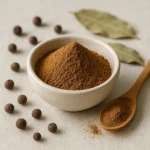
- Ground allspice: very fast and intense; easiest to overdo and harder to remove—use sparingly.
🍜 Pairings that make allspice work (including Asian aromatics)
Allspice plays well with ingredients that already bring warmth, sweetness, or anise-like notes. A few reliable combinations:
- Garlic + ginger: adds a deeper “braised” perfume without changing the dish’s identity.
- Star anise, cinnamon, clove: use tiny amounts of each; allspice can act as the “glue” that ties them together.
- Black pepper, bay leaf: classic savoury backbone—especially for broths and stews.
- Soy sauce and citrus: allspice supports salty-tangy marinades and makes them feel fuller.
- Chilli heat: it won’t make food hotter, but it can soften sharp edges and add warmth behind the spice.
🥢 Using allspice in Asian-style cooking (without making it taste “European”)
Allspice isn’t a standard spice in most East and Southeast Asian traditions, but it can be useful in modern home cooking when you want more depth in long-cooked dishes. The key is to keep it subtle and treat it like a background aromatic—similar to how you might use a small piece of cinnamon bark in a broth.
Ideas that work especially well
- Fragrant rice: add 2–3 berries to the pot with rice, plus a slice of ginger. Remove berries before serving. This is excellent alongside rich sauces or grilled meats.
- Soy-based braises: add 2–4 berries to a pot of soy, aromatics, and sugar while braising pork, beef, mushrooms, or tofu. Remove at the end.
- Broth building: in chicken or pork stock, a few berries can make the broth smell “finished” and round—especially if you also use onion, ginger, and a touch of spice.
- Marinades: lightly crush 2–3 berries and steep them in warm soy-based marinade for 10 minutes, then strain (or keep them in for slow cooking).
A simple “aroma infusion” trick
If you’re unsure about flavour impact, infuse first:
- Add 3–4 allspice berries to 3–4 tbsp hot water (or hot stock) for 5–8 minutes.
- Use that fragrant liquid in your sauce, broth, or marinade.
- Taste, then decide whether you want to add whole berries to the pot.
⚠️ Common mistakes (and how to avoid them)
- Using too many berries: allspice can become medicinal or overly clove-like. Start with fewer pieces and adjust next time.
- Leaving berries in the finished dish: biting into one is unpleasant. Strain broths or remove berries with a spoon.
- Adding it to very short stir-fries: it won’t have time to open up. Use it in sauces you simmer, or infuse first.
- Storing it poorly: exposure to heat and sunlight dulls aroma quickly.
🧴 Storage and handling tips
- Keep it airtight, dry, and dark: a sealed jar away from the stove is ideal.
- Buy whole if you can: whole allspice stays aromatic longer than pre-ground.
- Crush only what you need: a quick press with the flat side of a knife is enough to speed up extraction.
Optional quick usage idea: Soy-citrus marinade with warm spice
This is not meant to taste “spiced”; it should simply feel rounder and more aromatic.
- Mix: soy-citrus sauce, grated garlic, grated ginger, a pinch of sugar, and 2 lightly crushed allspice berries.
- Rest: 10–15 minutes, then strain out the berries if you prefer.
- Use for: chicken thighs, pork slices, mushrooms, or tofu before grilling, roasting, or braising.
Our picks (ingredients that pair naturally)
- Datu Puti Toyomansi soy sauce 750 ml – a soy-and-citrus base that works well with lightly crushed allspice in marinades.
- Koningsvogel Chilli paste Sambal Badjak extra hot 375 g – if you like heat, allspice can add warmth behind spicy sauces (use both sparingly).
FAQ
- Does allspice make food spicy-hot?
- No. It’s aromatic and peppery in a fragrance sense, but it doesn’t add chilli heat.
- Can I substitute allspice for five-spice powder?
- Not directly. Allspice can support similar “warm spice” notes, but five-spice is a distinct blend. Use allspice as a subtle background rather than a full replacement.
- Should I grind allspice at home?
- If you use it often, yes—freshly ground allspice is very aromatic. For broths and braises, whole berries are usually easier and more forgiving.

Recommended products1

Drana Allspice Whole 15 g
Read next
If you want to continue with the same topic, here are more related articles to explore: