Česky (CZK)
 Slovensky (EUR)
 Deutsch (EUR)
 Austria
 Belgium
 Bulgaria
 Croatia
 Denmark
 Estonia
 Finland
 France
 Germany
 Greece
 Hungary
 Italy
Italy Latvia
 Lithuania
 Luxembourg
 Netherlands
 Poland
 Portugal
 Romania
 Slovenia
 Spain
Spain Sweden










Hot peppers: how to use them and what to combine them with?
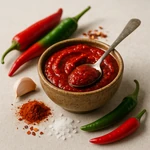
🌶️ What “hot paprika” actually is
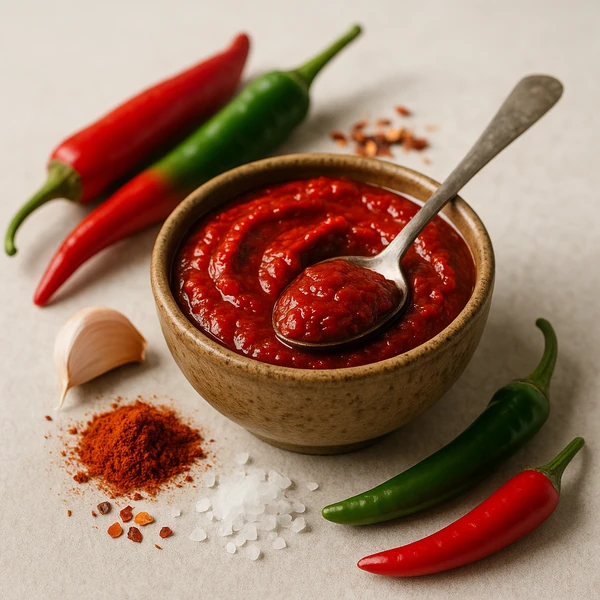
Hot paprika is a finely ground spice made from dried peppers in the Capsicum family. In many European kitchens, it’s treated like regular paprika—sprinkled into soups, stews, rubs, and sauces—but with a clear, warming kick.
Because it’s a ground spice, its heat is easy to distribute through a dish. It also brings a distinct “paprika” character: peppery, slightly sweet, sometimes earthy—depending on the peppers used and how they were dried.
🔎 Hot paprika vs. chilli powder vs. cayenne (quick guide)
These names are often used interchangeably, but they don’t always behave the same in a recipe:
- Hot paprika is usually milder than cayenne and keeps a paprika-forward flavor (more “peppery” than sharp).
- Cayenne tends to be hotter and more direct—great when you want heat without extra sweetness, but easier to overshoot.
- Chilli powder can mean different things depending on country: sometimes pure ground chilli, sometimes a blend (with cumin, garlic, oregano, etc.). Always check the label.
Practical takeaway: if a recipe asks for “paprika” and you only have hot paprika, start with a smaller amount and build up gradually.
🍳 How to use hot paprika without turning it bitter
Hot paprika is powerful in two ways: the heat can intensify after a few minutes, and the spice can scorch quickly in a hot pan. These habits make it much more predictable:
- Add in stages: start small, simmer briefly, then taste again before adding more.
- Bloom gently in fat: a short, low-to-medium heat contact with oil helps aroma open up. Don’t leave it dry in a very hot pan—paprika burns fast and can taste bitter.
- Stir into a liquid: if you’re worried about scorching (stir-fries, quick sautés), mix paprika into a spoon of sauce, stock, or oil first and then add it.
- Expect “late heat”: in soups, stews, and braises the spiciness can feel stronger after resting or reheating.
🧠 Flavor pairings that make heat feel “pleasant”
Heat is easiest to enjoy when it’s supported by other tastes. These pairings work especially well with hot paprika:
- 🍯 Sweetness (sugar, honey, palm sugar): softens the sharp edges and highlights paprika’s aroma.
- 🍋 Acidity (lime, rice vinegar, tamarind): makes heat feel cleaner and keeps dishes lively.
- 🥥 Fat (coconut milk, sesame oil, peanut butter): carries aroma and rounds out spiciness.
- 🍄 Umami (soy sauce, miso, fish sauce, fermented pastes): adds depth so heat doesn’t taste flat.
- 🧄 Aromatics (garlic, ginger, scallion): create a strong base that can “hold” chilli warmth.
🍜 Why hot paprika works in Asian cooking
Chilli is central across Asian cuisines, but it appears in many forms: fresh peppers, dried flakes, pastes, oils, and powders. Hot paprika fits naturally into this toolbox because it’s easy to dose and it blends smoothly into sauces.
Use it as a practical option when you want chilli warmth but don’t have flakes or fresh chillies on hand—or when you want to boost heat without changing a dish’s main character too much.
Where it’s especially handy
- Noodle soups and broths: add a pinch to lift the aroma, then balance with soy sauce and a squeeze of lime.
- Quick stir-fries: stir into the sauce (soy + a little sugar + vinegar) rather than frying the powder on its own.
- Marinades: combine with soy sauce, garlic, a sweetener, and an acid for a more rounded heat.
- Fried rice and noodle sauces: a small amount adds warmth and color without the texture of chilli flakes.
- Curries: use a pinch to increase spiciness while keeping the base flavor of your curry paste or spice mix.
⚠️ Common mistakes (and how to fix them)
- “It’s not spicy, I’ll add more.” Wait a few minutes, especially in liquid dishes. Heat often blooms after simmering.
- Burning it in the pan. If paprika smells harsh or turns dark immediately, the pan is too hot. Lower the heat and add liquid quickly.
- Overheating an already spicy dish. When reheating, taste first—chilli can feel stronger the next day.
If you’ve gone too far, you can often rescue the dish by adding fat (coconut milk), a touch of sweetness, and/or a splash of acid. When possible, increasing the overall volume (more broth, noodles, rice, or vegetables) is the most reliable fix.
🫙 Buying and storage tips
Hot paprika should smell fresh and peppery, not dusty. As with most ground spices, aroma fades over time—especially if the jar is opened often.
- Store tightly closed, away from light and heat.
- Keep it dry (steam from cooking is a common culprit).
- If you use paprika frequently, smaller containers can stay fresher than a large jar kept for years.
🥄 A simple “Asian-style” use you can try tonight
Quick spicy soy-lime drizzle: mix 1 tbsp soy sauce, 1–2 tsp lime juice (or rice vinegar), 1 tsp sugar, 1 tbsp neutral oil (or a few drops of sesame oil), and a small pinch of hot paprika. Spoon over steamed vegetables, tofu, dumplings, or grilled chicken. Taste and adjust—this is an easy way to learn how your paprika behaves.
Our picks (useful for balancing and layering)
Even if hot paprika is your main source of heat, sweet and smoked paprika are excellent tools for building flavor and color without increasing spiciness:
- Drana Sweet Hungarian Paprika ASTA 500 g – for sweetness and bright color in sauces, rubs, and stews.
- Drana Smoked Sweet Paprika 500 g – for a deeper, smoky note in marinades and grilled dishes.
- Drana Delicacy Paprika ASTA 160 500 g – a versatile base paprika when you want rich paprika character and consistent color.
FAQ
Is hot paprika the same as chilli flakes?
No. Flakes add visible texture and often a sharper chilli aroma. Hot paprika is a smooth powder that blends into sauces and soups more evenly.
When should I add hot paprika: early or late?
For aroma, add it gently with fat or into a sauce early on. For precise control of heat, add small amounts later and taste as you go.
Why does my paprika taste bitter?
Most often it’s been scorched in a very hot pan. Add paprika at lower heat and immediately combine it with oil and/or liquid.

Recommended products8
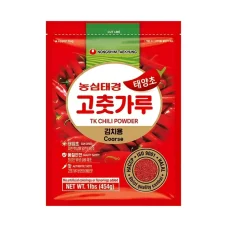
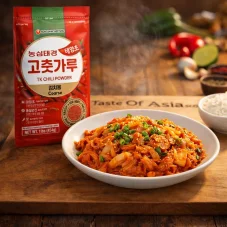
Nongshim Coarsely Ground Chili Pepper Gochugaru 454 g
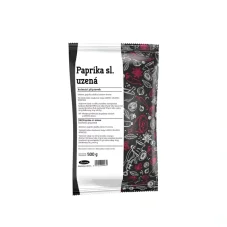
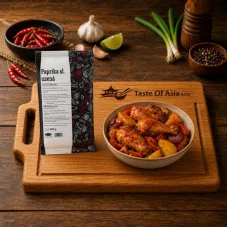
Drana Smoked Sweet Paprika 500 g
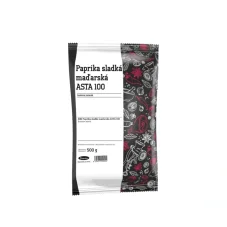
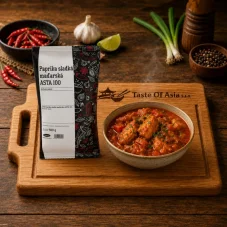
Drana Sweet Hungarian Paprika ASTA 500 g
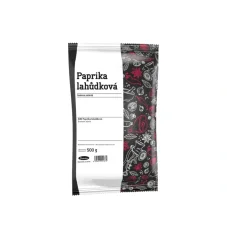
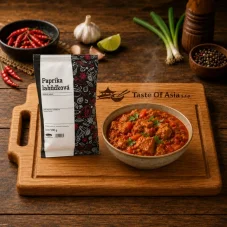
Drana Delicacy Paprika ASTA 160 500 g
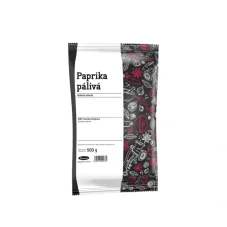
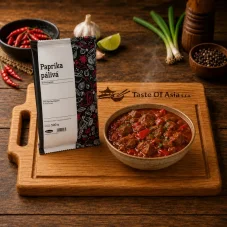
Drana Paprika Hot 500 g
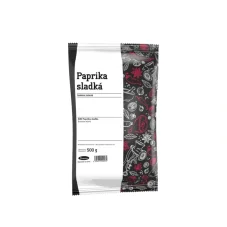
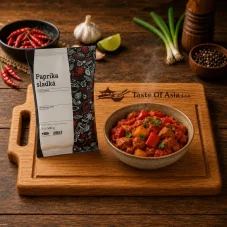
Drana Paprika Sweet 500 g
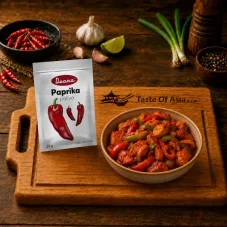
Drana Paprika Hot 25 g
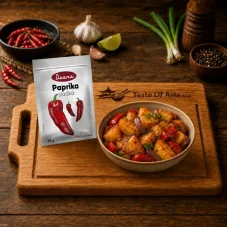
Drana Paprika Sweet 25 g
Read next
If you want to continue with the same topic, here are more related articles to explore: