

 Česky (CZK)
 Slovensky (EUR)
 Deutsch (EUR)
 Austria
 Belgium
 Bulgaria
 Croatia
 Denmark
 Estonia
 Finland
 France
 Germany
 Greece
 Hungary
 Italy
Italy Latvia
 Lithuania
 Luxembourg
 Netherlands
 Poland
 Portugal
 Romania
 Slovenia
 Spain
Spain Sweden










Sweet paprika how to use it in Asian cuisine
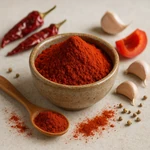
🌶️ What sweet paprika actually brings to a dish
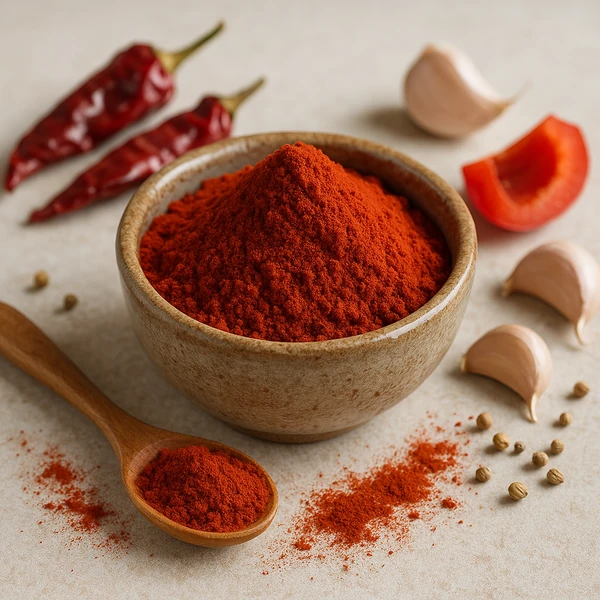
Sweet paprika is made from dried, finely ground red peppers. Unlike hot chilli powders, its main job isn’t to burn—it’s to add warmth in aroma, a reddish hue, and a mild vegetable-fruity sweetness. In practical cooking terms, that means:
- More appetizing colour in sauces, oils, and stir-fry glazes
- Rounder flavour when a dish feels too salty, too sharp, or “thin”
- Balance when you want chilli character but not more heat (or you’re cooking for mixed spice tolerance)
Peppers originated in the Americas, then spread globally through trade routes. Today, ground paprika is common in Europe—but the same flavour logic (colour + gentle sweetness + aroma) makes it a useful tool in Asian kitchens too.
🍜 Why sweet paprika works in Asian food
Many Asian flavour profiles are built from strong pillars: soy sauce or fish sauce (salt), vinegar or citrus (acid), ginger/garlic/scallion (aromatics), and chilli/pepper (heat). Sweet paprika acts like a quiet “binder” between them. It doesn’t fight fermented notes or sesame; instead it softens edges and makes fast dishes taste more “settled.”
It’s especially helpful when:
- you want a deeper red tone without adding extra chilli
- you’re using lean proteins (chicken breast, shrimp, tofu) and want more savoury warmth
- a quick sauce tastes too sharp from vinegar, lime, or tamarind
🧂 How to use sweet paprika (timing matters)
1) Bloom it briefly—don’t scorch it
Ground paprika can turn bitter if overheated. If you add it to hot oil, keep the heat medium and stir for just a few seconds, then immediately add a splash of liquid (water, stock, soy sauce, coconut milk) or the main ingredients. Think “wake it up,” not “toast it hard.”
2) Use it to build colour in sauces and stir-fries
A small amount (often ¼–½ tsp for a 2-portion dish) can tint a sauce so it looks richer and tastes more rounded—especially in soy-based glazes or sweet-sour style sauces.
3) Add it to marinades and dry rubs
Sweet paprika pairs naturally with garlic, ginger, soy sauce, and a touch of acid (rice vinegar, lime). It’s also great in a dry coating for tofu or chicken: it helps colour the surface as it sears, even when you’re cooking quickly in a wok or skillet.
4) Season rice and noodles for a warmer finish
In fried rice, sprinkle a pinch while stir-frying aromatics. For noodles, mix a little paprika into the sauce (rather than dusting it on top), so it dissolves and tastes smooth rather than powdery.
🥘 Flavour pairings that tend to “click”
- Garlic + onion/scallion: classic base where paprika feels natural and comforting
- Soy sauce + vinegar/lime: paprika softens harsh acidity and makes the sauce taste fuller
- Ginger: ginger lifts, paprika grounds—together they feel balanced
- Sesame oil (added at the end): paprika’s warmth complements sesame’s nuttiness
- Coconut milk: paprika deepens colour and adds warmth without overpowering mild coconut
🕒 Common mistakes (and easy fixes)
- Burning it in the pan: lower the heat, bloom briefly, then add liquid or ingredients right away.
- Using too much: sweet paprika should support, not dominate. Start small; you can always add more.
- Expecting heat: sweet paprika is about colour and aroma. If you need spiciness, combine with a hot paprika or chilli product.
- Letting it go stale: if it smells flat or dusty, it won’t do much in food—freshness matters.
🗄️ Storage: keep the aroma (and colour) alive
Light, heat, and moisture are the enemies of paprika. Store it in a tightly closed container, away from the stove and direct sunlight. For best results, buy a size you’ll realistically use within several months—paprika is at its best when it’s fragrant and vividly coloured.
Quick idea: 10-minute paprika-soy noodles 🍜
Mix a sauce in a bowl: 1½ tbsp soy sauce, 1 tsp vinegar (or lime), 1 tsp sugar or honey, 1–2 tbsp water, ½ tsp sweet paprika, minced garlic (optional). Toss with hot noodles, add a little sesame oil at the end, and top with scallions. If you like it spicy, add chilli separately so you stay in control of the heat.
Our picks
- Drana Delicacy Paprika ASTA 160 500 g – a practical option when you cook often and want strong colour impact.
- Drana Paprika Hot 25 g – useful if you want to add heat separately from sweet paprika’s colour and roundness.
Related categories
If you enjoy what sweet paprika does, you’ll usually get similar “rounding” benefits from keeping a small selection of spices on hand: a mild paprika for colour, a hot paprika or chilli for heat, and aromatic foundations like garlic and ginger. Build the heat separately, and use sweet paprika as the colour-and-balance tool.
FAQ
Is sweet paprika the same as chilli powder?
No. Sweet paprika is typically mild and focused on colour and aroma. Many “chilli powders” are blends that include hot peppers and other spices.
Can I add sweet paprika at the end of cooking?
You can, but it often tastes better when dispersed in a sauce or briefly bloomed in the pan. If you add it at the end, use a very small amount and mix well to avoid a raw, powdery note.
Why did my paprika turn bitter?
The most common cause is overheating in oil. Add it on medium heat and deglaze quickly with liquid or other ingredients.

Recommended products8
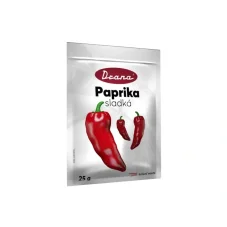
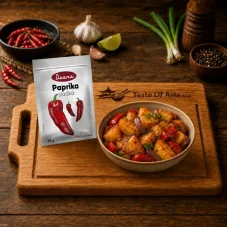
Drana Paprika Sweet 25 g
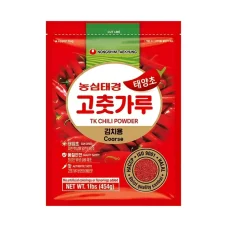
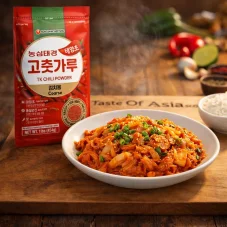
Nongshim Coarsely Ground Chili Pepper Gochugaru 454 g
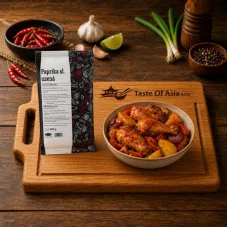
Drana Smoked Sweet Paprika 500 g
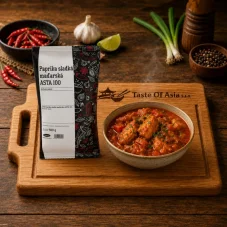
Drana Sweet Hungarian Paprika ASTA 500 g
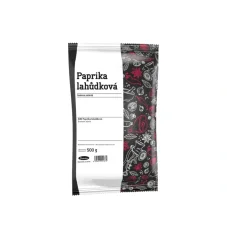
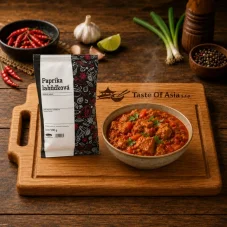
Drana Delicacy Paprika ASTA 160 500 g
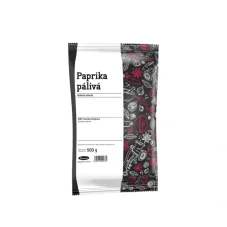
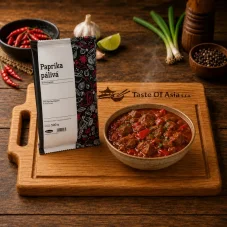
Drana Paprika Hot 500 g
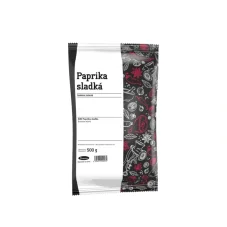
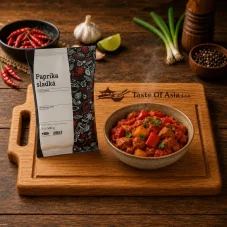
Drana Paprika Sweet 500 g
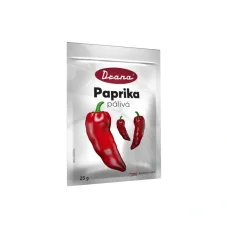
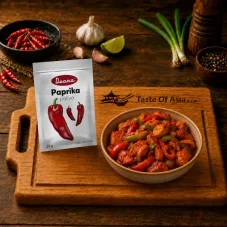
Drana Paprika Hot 25 g
Read next
If you want to continue with the same topic, here are more related articles to explore: