Česky (CZK)
 Slovensky (EUR)
 Deutsch (EUR)
 Austria
 Belgium
 Bulgaria
 Croatia
 Denmark
 Estonia
 Finland
 France
 Germany
 Greece
 Hungary
 Italy
Italy Latvia
 Lithuania
 Luxembourg
 Netherlands
 Poland
 Portugal
 Romania
 Slovenia
 Spain
Spain Sweden










Ground Coriander: Flavor, Pairings, and How to Use It in Asian Cooking
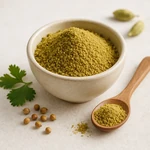
🌿 What ground coriander actually is (and what it isn’t)
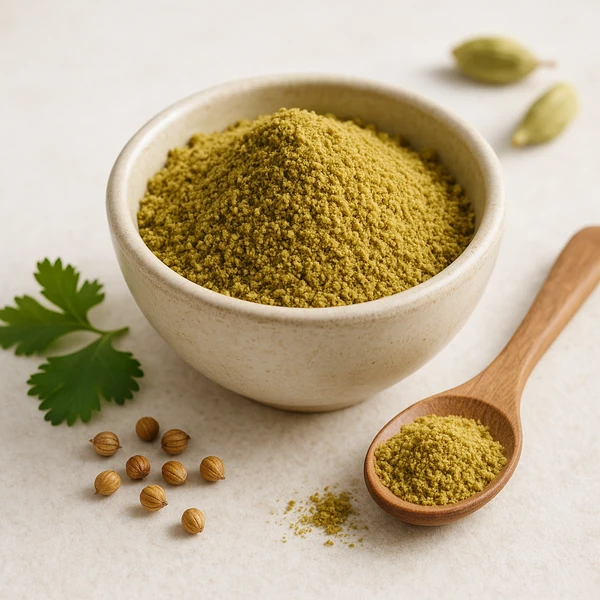
Ground coriander is made from dried coriander seeds that are milled into a fine powder. That matters because the seeds taste very different from the fresh herb leaves (often called cilantro). If you’ve ever avoided cilantro because of its strong, green aroma, don’t assume you’ll dislike the spice—seed coriander is warmer, gentler, and much less “herby”.
In Asian cooking, coriander seed is a behind-the-scenes staple: it’s used to build depth in curry pastes and spice blends, and it’s especially useful when you want heat and aromatics to taste rounded rather than sharp.
👃 Flavor and aroma: what to expect
Good ground coriander smells bright and warm at the same time. On the palate it’s typically:
- mildly citrusy (like citrus peel rather than juice),
- slightly sweet and nutty,
- gently spicy (aromatic, not hot).
It won’t make a dish spicy, but it can make chilli-heavy food taste less aggressive by smoothing the edges and helping other spices “sit together”.
🍛 Where it shows up in Asian cuisines
Ground coriander crosses borders easily, so you’ll encounter it in many regional styles:
- Thai-style curries: it supports turmeric, chilli, lemongrass, and coconut richness.
- Indian-inspired blends: it’s a backbone spice in many masalas (often paired with cumin).
- Malay/Indonesian flavors: it helps balance sweet-salty-hot profiles in sauces and pastes.
- Everyday marinades: especially for chicken, pork, tofu, or roasted vegetables where you want warmth without heaviness.
🥄 When to add it so you can actually taste it
Timing is the difference between coriander that’s vivid and coriander that disappears. Use one of these approaches:
- Early (for depth): add it to onion/garlic/ginger while sautéing, or “bloom” it briefly in oil. This builds a round, savory base for curries, stews, and long-simmered sauces.
- Late (for freshness): stir a small pinch in during the last minutes of cooking to keep more of the citrusy top notes.
- Best of both: use a little early and a little late—especially in coconut curries or thick sauces.
Watch out: ground spices burn quickly. If the pan is very hot and dry, coriander can turn bitter in seconds. Keep the heat moderate and add a splash of liquid if needed.
🧂 Pairings that work (and why)
Ground coriander is at its best as a connector spice. These combinations are especially reliable:
- Cumin: classic partner that adds earthy depth; great for lentils, chickpeas, dry rubs, and curry-style dishes.
- Turmeric: for a warmer, “golden” profile in soups, rice, and mild curries.
- Chilli: coriander doesn’t reduce heat, but it makes it feel smoother and more aromatic.
- Garlic + ginger: a natural trio for marinades and stir-fry bases.
- Coconut milk: coriander’s citrusy warmth lifts creamy sauces without making them taste sharp.
- Lime/lemon: use coriander to add spice depth while citrus adds brightness—especially helpful in soups and dressings.
✅ How to choose ground coriander (freshness makes a bigger difference than you think)
Because it’s already ground, coriander loses aroma faster than whole seeds. When buying or opening a pack, look for:
- A noticeable fragrance right away (warm, citrusy, slightly sweet).
- Color that’s beige to light tan; very dull, dusty-looking powder can be old.
- Packaging that seals well—humidity is the enemy of spice.
If you cook with coriander often, larger packs can be practical. If you use it only occasionally, smaller amounts usually taste better because you’ll finish them while the aroma is still strong.
✅ Storage and common mistakes
- Store airtight, away from steam and direct sunlight (a cupboard beats a shelf above the stove).
- Don’t rely on “expiry dates” alone: if it barely smells like anything, it won’t contribute much flavor.
- Don’t expect cilantro flavor: ground coriander is seed-based—warm and citrusy, not leafy and pungent.
- Avoid scorching: add with oil or with some moisture in the pan, and keep the heat under control.
🍜 A simple way to use it this week (no special recipe required)
Try this quick “rounding” step in everyday cooking:
- For soups: add 1/4–1/2 tsp to the sautéed aromatics, then finish with a tiny pinch right before serving.
- For marinades: mix ground coriander with garlic, ginger, soy sauce, a little sugar or honey, and a squeeze of citrus; marinate 20–60 minutes.
- For stir-fries: add a pinch after the protein is seared, then deglaze with a splash of water, stock, or sauce.
Our picks
- Koningsvogel Chilli paste Sambal Badjak extra hot 375 g – if you like intense chilli pastes, a small pinch of ground coriander in the dish (or in a marinade served alongside) can make the heat taste rounder and more aromatic.
❓ FAQ
Is ground coriander spicy?
No. It’s aromatic and warm but not hot.
Can I swap ground coriander for fresh cilantro?
Not directly. Fresh cilantro adds a green, herbal note; coriander seed (ground) adds warm citrusy depth. Many dishes benefit from using both—seed coriander during cooking and cilantro as a fresh finish.
Why can’t I taste it in my curry?
The spice may be old, or it was added too early and simmered away. Try adding a small pinch near the end, and store it airtight away from heat and steam.

Recommended products1
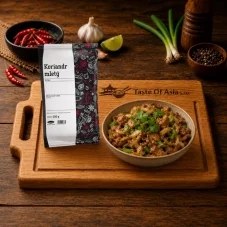
Drana Ground Coriander 500 g
Read next
If you want to continue with the same topic, here are more related articles to explore: