Česky (CZK)
 Slovensky (EUR)
 Deutsch (EUR)
 Austria
 Belgium
 Bulgaria
 Croatia
 Denmark
 Estonia
 Finland
 France
 Germany
 Greece
 Hungary
 Italy
Italy Latvia
 Lithuania
 Luxembourg
 Netherlands
 Poland
 Portugal
 Romania
 Slovenia
 Spain
Spain Sweden










Coriander (Cilantro) in Asian Cooking: Flavor, Uses, Pairings, and Practical Tips
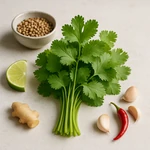
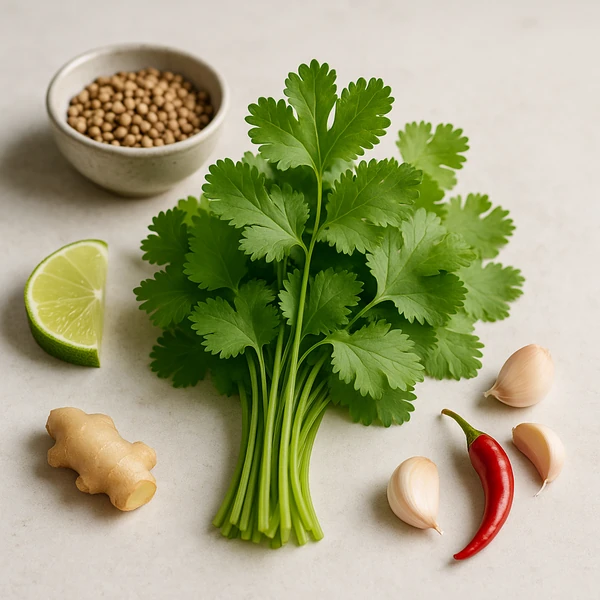
Coriander is one of the quickest ways to make a dish taste “finished”. A handful of fresh leaves can brighten rich coconut curries or hearty noodle soups, while toasted coriander seeds add warm, citrusy depth to spice mixes and marinades.
It also confuses a lot of cooks because the same plant shows up in different forms. In many English-speaking kitchens, “cilantro” usually means the fresh leaves and stems, while “coriander” often refers to the dried seeds. They’re related, but they don’t taste the same—and they’re used differently in Asian cuisines.
🌿 What coriander is (and why it matters in Asian food)
Coriander (Coriandrum sativum) is used across Southeast and South Asia—from Thai and Vietnamese soups to Indian curries and rice dishes. Many regional styles build flavor in layers: a cooked aromatic base (spices, pastes, toasted ingredients) plus a fresh finish (herbs, citrus, chilies). Coriander is special because it can play both roles:
- Leaves and tender stems bring freshness and a green, citrusy perfume.
- Seeds bring warmth, mild sweetness, and a gentle citrus note—especially when toasted.
👃 How it tastes: leaves vs stems vs seeds
Fresh leaves (cilantro)
Bright, green, lightly peppery, often with a citrus-like aroma. In hot dishes, the fragrance blooms quickly—then fades—so it’s most effective added at the end.
Why some people dislike it: a small percentage of people perceive cilantro as “soapy” due to genetic differences in smell receptors. If that’s you, you can still use coriander seeds (they don’t taste soapy to most people), or swap the leaves for other herbs (see tips below).
Stems
Often stronger than the leaves. Many Thai-style curry pastes and marinades rely on chopped stems for a deeper coriander flavor that survives cooking. Finely mince or blend them so they melt into the base.
Coriander seeds
Warm, round, gently citrusy and slightly nutty. Whole seeds keep their aroma much longer than pre-ground spice. A short toast in a dry pan transforms them from “quiet” to fragrant and complex.
🍳 When to add coriander (so it doesn’t disappear)
The biggest coriander mistake is treating all forms the same. Use this simple rule:
- Leaves: add at the very end, or directly into the bowl/plate.
- Stems: add early (pastes, stir-fry bases, marinades) so the flavor gets into the dish.
- Seeds: add early (toasting, frying in oil, simmering) to build a warm backbone.
Practical examples:
- Noodle soups (pho-style bowls, clear broths): put chopped leaves on top and let the hot broth release the aroma.
- Coconut curries: simmer the paste/spices first, then finish each serving with fresh coriander.
- Rice dishes: use seeds in the cooking fat or spice base; stir in chopped leaves after cooking for a fresh lift.
🔥 Flavor pairings that work almost every time
Coriander is excellent at connecting spicy, sour, salty, and creamy elements. Try it with:
- Lime or lemon (juice and zest)
- Chili (fresh, dried, or chili oil)
- Garlic and ginger
- Fish sauce and fermented notes (it freshens and softens the aroma)
- Coconut milk (fresh herb against creamy richness)
- Warm spices like cumin, turmeric, black pepper, cinnamon (coriander seeds fit especially well here)
🛒 How to choose good coriander (fresh and dried)
Fresh bunches
- Look for bright green leaves and firm stems.
- Avoid bunches with yellowing, slimy spots, or a strong “musty” smell.
- If roots are attached, that’s often a good sign of freshness (and roots can be used in stocks and pastes).
Coriander seeds
- Choose whole seeds when possible; grind as needed.
- Seeds should smell aromatic when crushed between fingers. If they smell flat or dusty, they’re past their prime.
🧊 Storage tips (and the easiest way to keep it fresh longer)
Fresh leaves and stems
- Best method: trim the stem ends, stand the bunch in a glass with a little water, loosely cover with a bag, and refrigerate. Refresh the water if it gets cloudy.
- Alternative: wrap in a paper towel and store in a sealed container or bag—keep it dry, not wet.
- Wash smart: wash just before use, or dry thoroughly before storing. Moisture left on the leaves shortens shelf life.
Freezing
Freezing keeps flavor for cooking (not for pretty garnish). Chop and freeze in small portions—many cooks freeze it in ice cube trays with a little water or oil.
Seeds
Store in an airtight container in a cool, dark place. Keep whole and grind only what you need for noticeably better aroma.
✅ Common mistakes (and quick fixes)
- Adding leaves too early: they lose fragrance. Fix: add at the end or at the table.
- Throwing away stems: stems are flavor. Fix: mince stems into curry bases, marinades, or dipping sauces.
- Using old, pre-ground coriander: it can taste dull. Fix: buy whole seeds and toast + grind.
- Chopping extremely fine: coriander can bruise and turn watery. Fix: chop leaves more roughly; mince stems finely.
🥣 Quick “finishing herb” mix (no-cook idea)
If you want a fast, reliable way to use up a bunch, make a simple finishing mix and spoon it over noodles, grilled meats, tofu, or curry:
- 1 packed handful of chopped coriander leaves
- 1–2 tbsp lime juice
- Pinch of salt
- Optional: sliced chili, grated ginger, or a splash of light soy/fish sauce
Mix and use immediately. It’s not meant to sit for hours—the aroma is brightest right after cutting.
Our picks
- Fresh coriander (cilantro) with stems attached (ideal for soups, noodles, and curries)
- Whole coriander seeds (toast and grind for spice blends and marinades)
- Ground coriander (convenient, but best replaced frequently)
Related categories
- Curry pastes and curry spice blends
- Coconut milk and coconut cream
- Noodles, rice, and soup bases
❓ FAQ
Can I substitute coriander leaves?
For a similar fresh finish, try flat-leaf parsley plus a little extra lime. In some cuisines, culantro (sawtooth herb) is used for a stronger, longer-lasting coriander-like aroma.
Do coriander seeds taste like cilantro?
Not really. Seeds are warmer and more citrusy-spiced, while the leaves are green and sharp. They complement each other, but they’re not interchangeable.
Should I toast coriander seeds?
If you have two extra minutes, yes. A quick dry toast until fragrant (not dark) makes a big difference in curries, marinades, and spice mixes.

Recommended products4
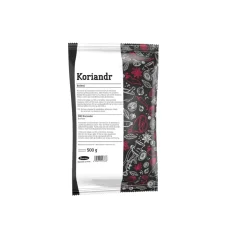
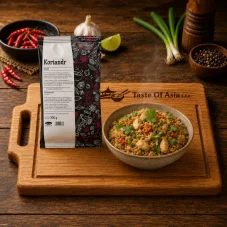
Drana Coriander 500 g
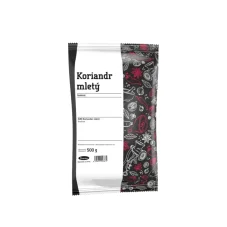
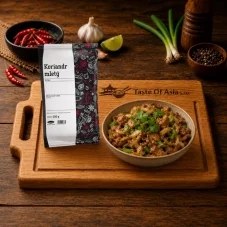
Drana Ground Coriander 500 g
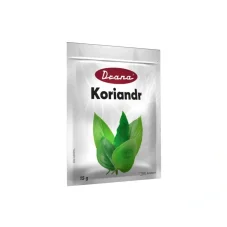
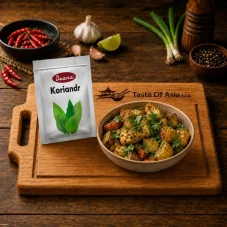
Drana Coriander 15 g
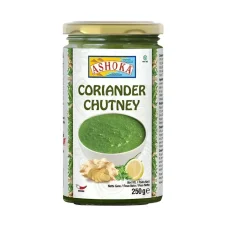
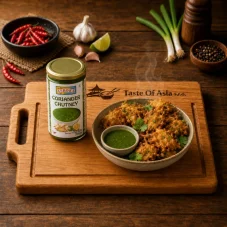
Ashoka Coriander Chutney 250 g
Read next
If you want to continue with the same topic, here are more related articles to explore: