

 Česky (CZK)
 Slovensky (EUR)
 Deutsch (EUR)
 Austria
 Belgium
 Bulgaria
 Croatia
 Denmark
 Estonia
 Finland
 France
 Germany
 Greece
 Hungary
 Italy
Italy Latvia
 Lithuania
 Luxembourg
 Netherlands
 Poland
 Portugal
 Romania
 Slovenia
 Spain
Spain Sweden










Thai-Style Curry Paste: Flavour, Best Uses, and How to Cook with It at Home
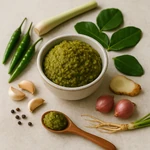
What does “Thai-style curry” actually mean? 🌶️
On many European e-shops and pantry labels, Thai-style curry usually refers to a versatile seasoning base (most commonly a curry paste, sometimes a concentrated sauce) that aims for the typical Thai flavour direction: aromatic, lively, and not overly heavy. It’s designed to be cooked briefly in oil and then turned into a sauce—most often with coconut milk.
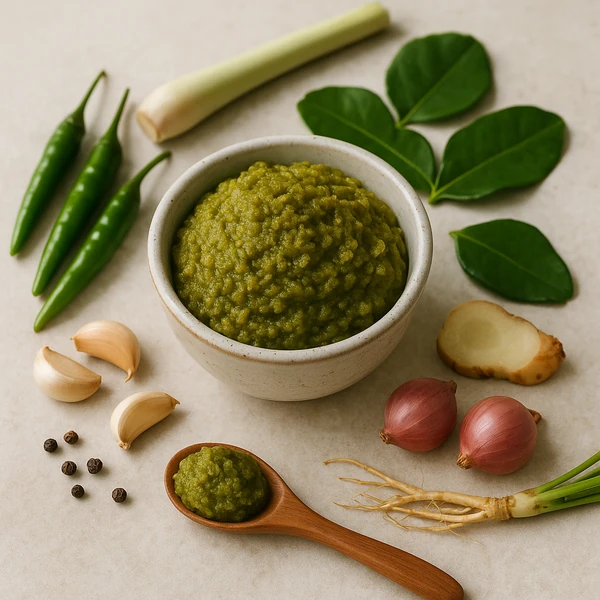
Unlike “curry powder” blends associated with Indian-inspired dishes, Thai-style curry bases tend to lean on fresh herb notes (think citrusy, green, and floral aromas) along with chilli heat and a savoury backbone. The exact profile varies by brand and recipe, but the cooking method is similar across most pastes.
Flavour profile: what you can expect 👃
A typical Thai-style curry base tastes fragrant first, spicy second. Many versions combine:
- Citrusy aromatics (often lemongrass and/or kaffir lime-type notes)
- Warm spices (coriander seed, cumin, sometimes turmeric)
- Chilli for heat and colour
- Umami from fermented ingredients (often shrimp paste or fish-based components; vegetarian versions exist)
- Garlic and shallot for depth
When cooked properly, the paste becomes rounder and more complex—less “raw chilli”, more balanced and aromatic.
Thai curry “colours” and where a generic Thai-style paste fits 🎨
In Thailand, curry pastes are often discussed by colour (green, red, yellow), and each tends to have a distinct personality:
- Green: usually the most herbal and often the hottest; “bright” heat.
- Red: deeper and warmer, typically built on red chillies; very coconut-friendly.
- Yellow: milder and more spiced; often the easiest entry point for beginners.
A product labelled simply Thai-style curry often aims to be a middle-of-the-road, all-purpose option—aromatic, pleasantly spicy, and adaptable to meat, seafood, tofu, or vegetables. If you love consistency and quick weeknight cooking, that general-purpose approach can be a plus.
How to cook with Thai-style curry paste (the reliable method) 🍳
If your curry sometimes tastes flat or harsh, the fix is usually technique, not more paste. Try this simple sequence:
- Fry the paste in a little neutral oil over medium heat for 30–60 seconds. It should become intensely fragrant (don’t burn it).
- Add coconut milk gradually. If using canned coconut milk, adding a few spoonfuls first helps the paste dissolve smoothly, then pour in the rest.
- Simmer gently for 5–10 minutes to marry flavours.
- Add protein and veg in sensible order (longer-cooking ingredients first).
- Balance at the end (see the next section). Tiny adjustments make a big difference.
For a lighter dish, replace part of the coconut milk with stock or water. For a richer curry, use full-fat coconut milk and keep the simmer gentle.
Make it taste “complete”: the Thai balancing trick ⚖️
Thai-style curries often shine when you balance four directions: salty, sweet, sour, and spicy. Your curry paste gives you a head start, but the finishing touches usually decide whether it tastes restaurant-like.
- Sour: a squeeze of lime at the end (not during a long boil) brightens the whole pot.
- Sweet: a small spoon of sugar can soften sharp heat and round off bitterness.
- Salty/umami: a splash of fish sauce (or a vegetarian alternative) deepens savoury notes.
- Spicy: increase with extra paste or fresh chilli—but do it gradually.
Tip: add these in small increments, tasting between additions. Curry can go from “missing something” to “too much” very quickly.
What to cook with it: practical pairings 🥥
Thai-style curry paste is most useful when you treat it as a flavour base rather than a finished sauce. It works especially well with:
- Chicken (thighs stay juicy in simmered sauces)
- Shrimp and firm white fish (add near the end to avoid overcooking)
- Tofu (firm tofu, pan-seared first for better texture)
- Vegetables like aubergine, green beans, bell peppers, courgette, broccoli, carrots, bamboo shoots
Serve with steamed jasmine rice, sticky rice, or rice noodles—anything that can catch the sauce.
Choosing a Thai-style curry paste: what to check on the label 🧾
“Thai-style” is broad, so it’s worth scanning a few practical details:
- Heat level: some are mild and aromatic, others are seriously hot. Start small and scale up.
- Diet and allergens: many Thai pastes include shrimp paste (shellfish allergen) or fish ingredients. Look for vegetarian/vegan versions if needed.
- Salt and sugar: pastes vary a lot—especially if they’re closer to a cooking sauce than a concentrated paste.
- Texture: a coarse paste can give a more “pounded” feel; a very smooth paste dissolves faster.
Common mistakes (and easy fixes) ✅
- Skipping the fry step: paste tastes raw. Fix: fry briefly in oil before adding liquids.
- Boiling hard: coconut sauces can split and taste dull. Fix: keep to a gentle simmer.
- Overloading the pot: too much veg/protein can dilute the sauce. Fix: use less liquid or simmer the sauce base first to concentrate flavour.
- Adding lime too early: sour notes fade and can turn slightly bitter. Fix: add lime at the end.
Storage: keep the aroma fresh 🧊
Once opened, curry paste lasts longest when you minimise air contact. If it comes in a tub or jar, level the surface, press a piece of cling film directly onto the paste, close tightly, and refrigerate. Use clean utensils to avoid contamination. If you cook with it often, portioning into small airtight containers (or freezing in spoon-sized portions) keeps the flavour brighter over time.
A quick weeknight idea (no fuss) 🍲
10–15 minute coconut curry: Fry 1–2 teaspoons of Thai-style curry paste in a little oil, stir in 400 ml coconut milk, simmer 5 minutes, add sliced chicken or tofu and quick-cooking veg (e.g., peppers, green beans), simmer until done, then finish with lime and a small splash of fish sauce (or a vegetarian alternative). Serve with rice.
Our picks
- Lobo Panang curry paste 50 g – a Thai curry style that typically leans creamy, nutty, and warmly aromatic (great with coconut milk).
Related category
- Curry pastes – browse different regional styles and heat levels when you want to explore beyond a generic Thai-style blend.
FAQ
- Is Thai-style curry paste the same as Indian curry powder?
- No. Curry powder is usually a dry spice blend; Thai-style curry is commonly a wet paste built around aromatics and chilli, meant to be fried first and turned into a sauce.
- Can I use it without coconut milk?
- Yes—use stock or water for a lighter curry, or stir a small amount into stir-fries. Coconut milk, however, is the classic way to round out heat and carry aroma.
- How much paste should I use?
- Start with a small amount (especially if you don’t know the heat level), taste after simmering, then increase gradually. It’s easier to add than to tame an overly spicy pot.

Recommended products1
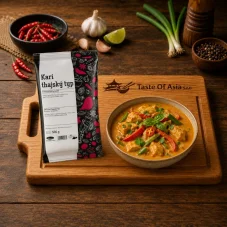
Drana Thai Style Curry 500 g
Read next
If you want to continue with the same topic, here are more related articles to explore: