

 Česky (CZK)
 Slovensky (EUR)
 Deutsch (EUR)
 Austria
 Belgium
 Bulgaria
 Croatia
 Denmark
 Estonia
 Finland
 France
 Germany
 Greece
 Hungary
 Italy
Italy Latvia
 Lithuania
 Luxembourg
 Netherlands
 Poland
 Portugal
 Romania
 Slovenia
 Spain
Spain Sweden










Fennel: how it tastes and what it is good for
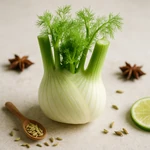
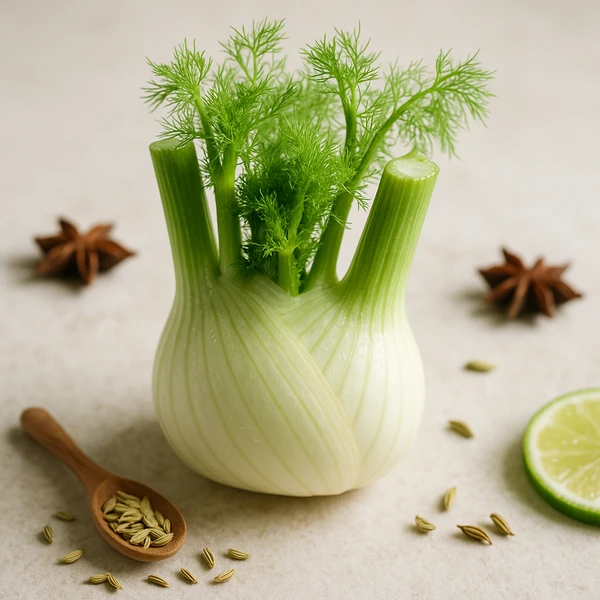
🌿 What fennel actually is (and which part you’re using)
“Fennel” can mean different things depending on where you encounter it:
- Fennel seeds (spice): warm, sweet, and aromatic; used whole, crushed, or ground.
- Fennel bulb (vegetable): pale, layered, and crunchy; mild anise-like freshness that softens when cooked.
- Fennel fronds (the feathery greens): delicate herb-like garnish with a gentle fennel perfume.
This versatility makes fennel unusually useful: you can build flavor early (with seeds) or add a fresh lift at the end (with fronds or shaved bulb).
👃 How fennel tastes and smells (so you can use it confidently)
Fennel is often described as anise-like—think licorice, but usually softer and sweeter. The key difference between forms is intensity:
- Seeds are bolder and warmer. When toasted, they become nutty and more rounded, with a sweet-spice fragrance.
- Bulb is fresher and greener. Raw fennel tastes crisp and lightly sweet; cooking turns it mellow and almost creamy.
If you’re fennel-shy, start with a pinch of lightly crushed seeds rather than a spoonful of ground spice—small doses are much easier to control.
🍜 Why fennel makes sense in Asian cooking
Across Asia, fennel is valued for what it does to a dish’s overall shape: it adds sweetness without sugar, enhances aroma, and helps bridge strong flavors like chili heat, fermented sauces, and warming spice blends.
- South Asia: fennel seeds (“saunf”) appear in spice mixes and are also traditionally enjoyed after meals for their perfume and palate-clearing effect.
- China: fennel seed is a classic component in aromatic spice profiles and is often associated with braises and roasted meats.
- Southeast Asia: it shows up more subtly—sometimes in curry pastes, pickles, or as a background note paired with lemongrass, ginger, and chili.
In practice, fennel is a shortcut to “depth”: it can make quick meals taste more layered even when you’re using only a few pantry ingredients.
🔥 How to use fennel seeds (whole, crushed, or ground)
Fennel seeds are at their best when you decide when you want their aroma to show up.
Whole seeds: best for infusing
- Toast briefly in a dry pan (30–60 seconds) until fragrant, then add oil/onion/garlic.
- Use in braises, stews, and lentils where they have time to bloom.
Crushed seeds: best for finishing
- Crush in a mortar or between your fingers and sprinkle over noodles, roasted vegetables, stir-fries, or soups right before serving.
- This gives a lively, fresh aroma without making the whole dish taste “licorice-forward.”
Ground fennel: best for blends and marinades
- Use when you want fennel to disappear into the background—great in spice rubs, dumpling fillings, meatballs, or curry-style sauces.
🥗 How to use fresh fennel bulb and fronds
Raw: crisp, fresh, and slightly sweet
- Slice very thinly and pair with citrus or rice vinegar for a clean, bright side dish.
- Try it with sesame oil, soy sauce, and a little sugar for a quick Asian-style slaw base.
Cooked: mellow and comforting
- Stir-fry with garlic and ginger; fennel stays slightly crunchy if cooked fast.
- Braise with soy sauce, star anise, and aromatics for a deeper, sweeter result.
- Roast until caramelized—then it becomes mild and gently sweet, a great counterpoint to spicy sauces.
Fronds: treat like an herb
- Use as a finishing touch on fish, rice bowls, soups, and salads.
- Add at the end—heat mutes their delicate aroma.
🧩 Flavor pairings that reliably work
If you’re building an Asian-style flavor profile, fennel plays well with both bright and rich elements:
- Aromatics: ginger, garlic, scallions, lemongrass.
- Spices: coriander seed, cumin, turmeric, black pepper, star anise (use lightly—aromas stack quickly).
- Heat: dried chili, chili oil, sambal-style pastes.
- Acid: lime, rice vinegar, tamarind—fennel helps acid feel less sharp.
- Richness: coconut milk, ghee, sesame paste; fennel’s sweetness balances fatty sauces.
- Earthy bases: lentils, chickpeas, mushrooms, cabbage—fennel lifts “heavy” flavors.
⚠️ Choosing fennel and avoiding common mistakes
Buying fennel bulb
- Look for a firm, pale bulb with tight layers and no bruising.
- Fronds should look fresh and green (not wilted or yellow).
Buying fennel seeds
- Choose seeds that smell aromatic even before toasting.
- If possible, buy whole seeds and grind as needed—they keep their aroma longer than pre-ground spice.
Common mistakes
- Burning toasted seeds: they go bitter fast. Keep heat medium and move the pan constantly.
- Overusing ground fennel: it disperses everywhere; measure conservatively.
- Adding fronds too early: they lose fragrance—use them as a garnish.
🧊 Storage tips (so fennel stays fragrant)
- Seeds: keep airtight, cool, and away from light. Toast and crush right before cooking for maximum aroma.
- Bulb: store in the fridge, loosely wrapped. Use within a few days for best crunch.
- Fronds: treat like herbs—wrap in slightly damp paper towel and refrigerate.
🍽️ A fast “Asian-leaning” fennel trick (no recipe stress)
When a dish tastes flat, try this 60-second fix:
- Toast 1/2 tsp fennel seeds in a dry pan until fragrant.
- Crush lightly, then mix with 1 tbsp hot oil (or drizzle with sesame oil).
- Spoon over noodles, rice, stir-fried vegetables, or lentils.
You’ll get an aromatic top note similar to what finishing spices do in many regional cuisines—without rebuilding the whole dish.
Our picks
- Koningsvogel Chilli paste Sambal Badjak extra hot 375 g – for cooks who like to pair fennel’s sweet-spice aroma with bold chili heat (try adding a pinch of toasted, crushed fennel seeds to a spicy stir-fry sauce).
FAQ
Does fennel always taste like licorice?
No. The “licorice” note is strongest in the seeds (especially ground). Fresh bulb is much milder, and cooking makes it softer and sweeter.
Can I use fennel seeds instead of star anise?
They’re not the same, but they can overlap. Fennel is sweeter and gentler; star anise is sharper and more intense. If substituting, use fennel sparingly and consider toasting it for extra aroma.
What’s the easiest way to start using fennel in Asian dishes?
Toast a small pinch of fennel seeds and add them to hot oil at the beginning of cooking, or crush a few seeds and sprinkle them over the finished dish.

Recommended products1
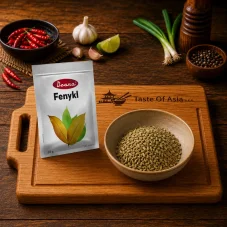
Drana Fennel 20 g
Read next
If you want to continue with the same topic, here are more related articles to explore: