

 Česky (CZK)
 Slovensky (EUR)
 Deutsch (EUR)
 Austria
 Belgium
 Bulgaria
 Croatia
 Denmark
 Estonia
 Finland
 France
 Germany
 Greece
 Hungary
 Italy
Italy Latvia
 Lithuania
 Luxembourg
 Netherlands
 Poland
 Portugal
 Romania
 Slovenia
 Spain
Spain Sweden










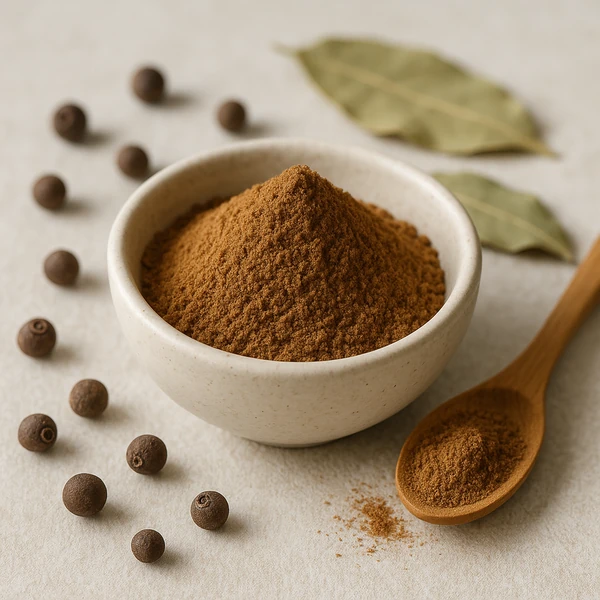
New ground spices: how they taste and what they are suitable for
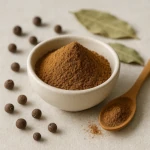
Why ground allspice deserves a spot in an Asian pantry
Allspice is usually associated with comfort-food aromas—think warming stews, winter baking, or pickled vegetables. But its real strength is rounding out flavors: it can soften sharp saltiness, lift gentle sweetness, and make savory sauces feel more complete. That’s exactly why a tiny amount works so well alongside classic Asian building blocks like soy sauce, garlic, ginger, chili, and sugar.
The key is restraint. Used lightly, ground allspice doesn’t announce itself as “Christmas spice”—it simply adds a deeper, fuller finish that people often notice only as “this tastes great—what is it?”
🌿 What is allspice (and why it’s called “allspice”)?
Allspice comes from the dried, unripe berries of Pimenta dioica, an evergreen tree native to the Caribbean and Central America. The English name “allspice” stuck because its aroma can resemble a blend of several warm spices at once—most commonly clove, cinnamon, and nutmeg.
Ground allspice is simply the finely milled version of those dried berries. It’s convenient and fast-acting in cooking, but it also loses aroma faster than whole berries—so storage matters (more on that below).
👃 Flavor profile: what to expect
Ground allspice is:
- Sweet-warm rather than hot
- Highly aromatic—a small amount goes a long way
- Spicy in a “warming” way (clove-like), not chili-like
- Great at adding depth to savory, sweet-sour, and umami-heavy dishes
In savory cooking, it’s best treated like a background spice—supportive, not dominant.
⚖️ Ground vs. whole: which should you use?
Choose ground allspice when you want…
- Even distribution in marinades, rubs, meat mixtures, dumpling fillings, or sauce bases
- Instant aroma without a long simmer
- No straining at the end (useful for smooth sauces)
Choose whole allspice berries when you want…
- Gentle infusion in broths, braises, and pickling liquid
- Easy removal (like bay leaves or whole peppercorns)
- Longer shelf life and fresher aroma over time
If you mostly cook quick weekday meals, ground allspice is the practical choice—just buy smaller amounts and refresh it more often.
🍳 How to use ground allspice in Asian cooking (without overdoing it)
Allspice isn’t a “standard” spice across East and Southeast Asia, but it can fit beautifully into the flavor logic of many dishes—especially where you already have sweetness + salt + umami.
1) Soy-based marinades for chicken, pork, beef, or tofu
Add a small pinch to a simple marinade of soy sauce, garlic, ginger, a little sugar (or honey), and a splash of lime or vinegar. The result tastes more rounded and aromatic, especially after grilling, roasting, or pan-searing.
How much? Start with 1/8 tsp per 500 g of protein. You can always add more next time—too much will push the flavor toward clove.
2) Stir-fry sauces with a sweet-savory backbone
If your sauce includes soy sauce plus something sweet (brown sugar, palm sugar, hoisin-like sweetness), allspice can add “slow-cooked” depth even in a 10-minute stir-fry. Mix it into the sauce before it hits the pan so it disperses evenly.
3) Glazes and caramelized finishes
Allspice pairs well with sticky reductions (soy + sugar) used for wings, ribs, char siu-style roasts, or glazed eggplant. A tiny amount supports the caramel notes and makes the glaze feel more complex.
4) Rice and pilaf-style sides
For fragrant rice served with richer curries or braises, stir a pinch of ground allspice into the cooking water (or into oil when toasting aromatics). Keep it subtle—this is about aroma, not “spiced rice.”
5) Sweet-sour and pickled flavors
Allspice naturally complements vinegar and sweetness. In quick pickles (cucumber, carrot, onion) or sweet-sour sauces, a tiny pinch can add warmth without changing the core profile.
🧩 Flavor pairings that work especially well
- Ginger + garlic: keeps the warmth savory and fresh
- Chili + sugar: balances heat with a rounded finish
- Five-spice-like profiles: use carefully—overlap can become too perfumed
- Sesame (oil or paste): nutty notes love warm spices
- Acidity (lime, rice vinegar): brightens the aroma so it doesn’t feel heavy
💡 Common mistakes (and how to avoid them)
- Using too much: Ground allspice is powerful. If you can clearly identify it as clove/cinnamon-like, you’ve likely gone past “supporting role.”
- Adding it late into a watery sauce: It can clump or taste dusty. Whisk it into a small amount of liquid (soy sauce, oil, or a bit of water) first.
- Storing it near heat and light: It fades quickly. Treat it like a delicate aromatic, not like salt.
🗄️ Storage and freshness tips
Keep ground allspice in an airtight container in a cool, dark cupboard. If it smells faint or flat, it won’t magically reappear in your food—refresh it. As a practical rule, ground spices are best used within a few months after opening for peak aroma (timing depends on packaging and storage).
✨ Quick “Asian-style” allspice marinade (no recipe fuss)
For 500 g chicken thighs, pork slices, or firm tofu:
- 2 tbsp soy sauce
- 1 tbsp sugar (or honey)
- 1 tbsp neutral oil
- 1–2 cloves garlic, grated
- 1 tsp grated ginger
- 1–2 tsp lime juice or vinegar
- 1/8 tsp ground allspice
- Optional: chili to taste
Marinate 20–60 minutes, then pan-sear or grill. If you like it, increase allspice slightly next time—but in small steps.
Our picks
- Koningsvogel Chilli paste Sambal Badjak extra hot 375 g – useful when you want chili heat and depth in the same sauce or marinade that you lightly round out with allspice.
❓FAQ
Does allspice taste spicy-hot?
No—its “spice” is aromatic and warming (clove-like), not chili heat.
Can I use ground allspice in noodles?
Yes, especially in darker, soy-forward sauces. Use a pinch in the sauce mixture—not directly on the noodles—so it disperses evenly.
What’s the safest way to start?
Use 1/8 tsp in a marinade or sauce meant for about 2–4 servings, taste after cooking, and adjust next time.

Recommended products3
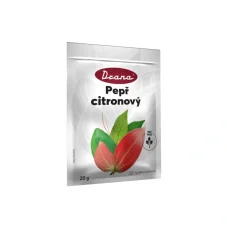
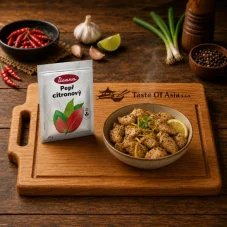
Drana Lemon Pepper 20 g
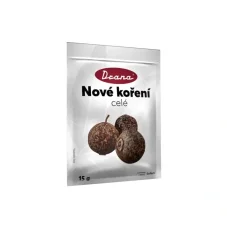
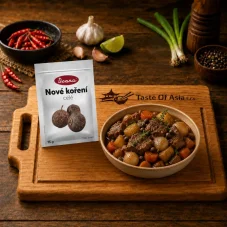
Drana Allspice Whole 15 g
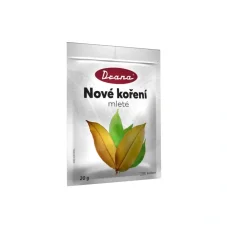
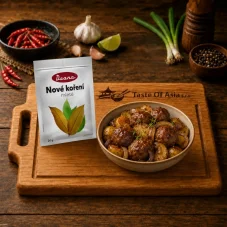
Drana New Spices Ground 20 g
Read next
If you want to continue with the same topic, here are more related articles to explore: