

 Česky (CZK)
 Slovensky (EUR)
 Deutsch (EUR)
 Austria
 Belgium
 Bulgaria
 Croatia
 Denmark
 Estonia
 Finland
 France
 Germany
 Greece
 Hungary
 Italy
Italy Latvia
 Lithuania
 Luxembourg
 Netherlands
 Poland
 Portugal
 Romania
 Slovenia
 Spain
Spain Sweden










Chinese-Style Seasoning Mix: What It Tastes Like, What It’s For, and How to Use It Well
Why this blend exists (and what it actually is)
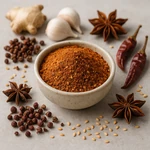
In many European kitchens, “Chinese seasoning” refers to a ready-made spice blend designed for quick stir-fries—meat, vegetables, noodles, rice, and a simple sauce. It’s not a single traditional Chinese recipe. Chinese cuisines are highly regional (Cantonese, Sichuan, Northern styles, coastal cuisines, and many more), and they don’t rely on one universal “stir-fry spice.”
Instead, these blends are built to deliver a recognizable Asian-style aroma with minimal effort. Think of it as a convenient base note—something you can layer with soy sauce, garlic, ginger, sesame, or chili depending on the dish you want.
🌶️ Flavor profile: what to expect
Most “Chinese seasoning” blends aim for a bold but crowd-pleasing taste. Depending on the brand, you’ll often get:
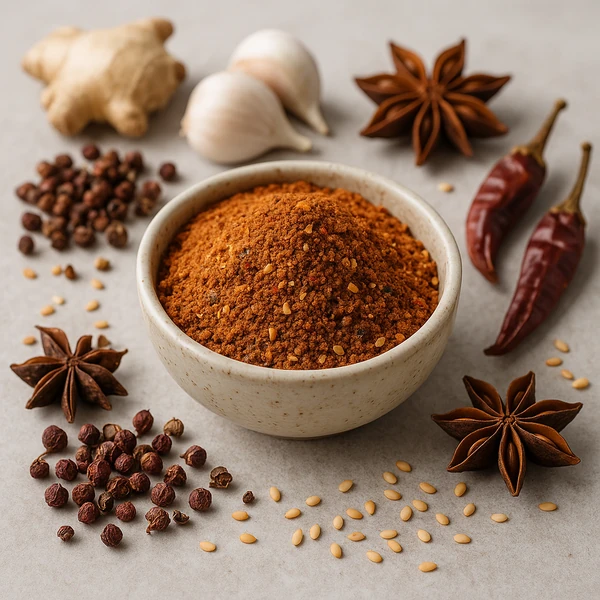
- Warm aromatics (garlic, ginger, onion)
- Spice and peppery heat (black pepper, chili, sometimes paprika)
- Sweetness in the background (a touch of sugar or sweet spices)
- Umami and salt (salt, yeast extract, occasionally MSG—check the label)
- Occasional “five-spice” vibes (star anise, fennel, clove, cinnamon notes) in some blends
Because many mixes already contain salt, they can go from “perfectly seasoned” to “too salty” faster than you’d expect.
🍳 The most useful ways to use it
You’ll get the best results when the seasoning is treated like a flavor starter, not the only source of taste. These are the most reliable methods:
1) In a quick marinade (best for chicken, pork, tofu)
Mix the seasoning with a little neutral oil, then add your main protein. Let it sit while you prep vegetables (10–20 minutes is already helpful).
- Starter ratio: 1 tsp seasoning + 1 tbsp oil per 250 g protein
- Optional: add 1–2 tsp soy sauce for deeper umami
2) “Bloom” it briefly in hot oil (for maximum aroma)
If your blend is mostly dry spices, the aroma opens up when you heat it for a moment in oil—similar to toasting spices.
- Heat the pan/wok until hot, add oil.
- Add the seasoning and stir for 5–10 seconds only.
- Immediately add your protein or sturdy vegetables to stop it from burning.
Watch out: blends containing sugar, garlic powder, or paprika can scorch quickly on high heat.
3) Build it into a simple stir-fry sauce
If you prefer more control (and less risk of burning), stir the seasoning into a quick sauce and add it near the end.
👃 Timing in the pan: when to add it (so it doesn’t taste raw)
Stir-frying moves fast, so timing matters more than people think.
- If you add it too late: the seasoning can taste dusty or “uncooked.”
- If you add it too early: it may burn, turn bitter, or become harsh.
A practical rule:
- Dry spices: bloom briefly in oil, then add ingredients.
- Seasoning mixed into sauce: add in the final 30–60 seconds so it coats everything.
🧂 How to avoid bland or overly salty stir-fries
When a stir-fry tastes “meh,” it’s rarely because it needs more seasoning mix. It usually needs better balance. Aim for four pillars:
- Umami: soy sauce, oyster-style sauces, mushroom-based seasonings, or stock
- Sweet: a small amount makes savory notes pop (especially if your blend is peppery)
- Acid: a few drops at the end lifts the whole dish
- Heat: chili paste/flakes/sauce added to taste
For salt control, do this instead of adding more seasoning:
- Add a splash of water/stock to loosen the sauce.
- Add more vegetables or noodles/rice to “dilute” the saltiness.
- Finish with acid (vinegar/citrus) to make flavors feel brighter without extra salt.
What dishes it fits best (and where it’s less ideal)
Great matches
- Chicken stir-fry with bell pepper, onion, and broccoli
- Pork with cabbage and carrots
- Tofu with mushrooms and pak choi
- Fried rice (use sparingly; soy sauce does most of the work)
- Pan-fried noodles with vegetables
Use with caution
- Delicate seafood (some blends overpower shrimp or white fish)
- Long braises (these mixes are designed for quick, high-heat cooking; aromatics can turn dull over long simmering)
How to choose a blend: label clues that matter
Two mixes with the same “Chinese seasoning” name can behave very differently. Check:
- Salt level: if salt is first or second on the list, treat it like a seasoning salt (not just spice).
- Sugar content: higher sugar burns faster—better in sauces than in dry blooming.
- MSG/yeast extract: not “good” or “bad,” just a tool. It boosts savory taste; adjust salt accordingly.
- Allergens: some blends contain sesame, celery, soy, or traces from shared production lines.
- Anti-caking agents: normal in dry blends; store well to prevent clumps.
Common stir-fry mistakes (and quick fixes)
- Overcrowding the pan: ingredients steam instead of sear. Fix: cook in two batches.
- Adding seasoning with wet ingredients on low heat: flavor stays muted. Fix: use higher heat, or add seasoning via sauce at the end.
- Only one-note saltiness: too much blend + soy sauce. Fix: add a touch of sugar and finish with vinegar/citrus.
- Burnt spice taste: spices sat in oil too long. Fix: bloom for seconds only, or switch to the sauce method.
🍳 A quick “weekday wok” method that rarely fails
- Prep everything first: sliced protein, chopped vegetables, sauce mixed, rice/noodles ready.
- Heat the pan properly: hot pan + oil.
- Sear protein quickly, then remove.
- Cook vegetables: start with firm ones (carrot, broccoli stems), then add softer ones.
- Add seasoning: either bloom briefly or pour in your pre-mixed sauce.
- Return protein, toss to coat, finish with acid and optional chili.
Storage: keep the aroma alive
Spice blends lose fragrance when exposed to heat, light, and moisture.
- Store tightly closed in a cool, dry cupboard (not next to the stove).
- Use a dry spoon—steam and wet hands cause clumping.
- If you cook stir-fries often, buy a size you’ll finish within a few months for best aroma.
❓FAQ
- How much should I use per portion?
- Start with about 1/2–1 tsp per serving (or 1 tsp per 250 g protein). You can always add more at the end, but you can’t remove salt.
- Can I use it without soy sauce?
- Yes, but most stir-fries taste fuller with an umami base. If you skip soy sauce, consider stock, mushrooms, or a small amount of savory sauce alternative.
- Is it “authentic” Chinese food?
- Think of it as a home-kitchen shortcut inspired by restaurant-style stir-fries. Authenticity varies by region and dish; this blend is about convenience and a familiar flavor profile.
Our picks (simple add-ons that make the blend shine)
- Toasted sesame oil (a few drops at the end for aroma)
- Rice vinegar (brightness and balance)
- Chili sauce or chili crisp (controlled heat and texture)
Related categories
If you’re building a stir-fry pantry, look for items such as soy sauces, noodle varieties, rice, and ready-to-use stir-fry sauces that pair naturally with a Chinese-style seasoning blend.

Recommended products2
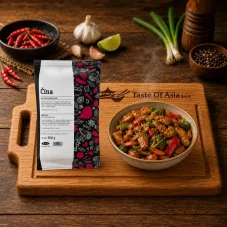
Drana China 500 g
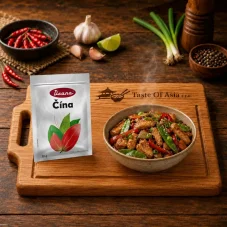

Drana China 30 g
Read next
If you want to continue with the same topic, here are more related articles to explore: