

 Česky (CZK)
 Slovensky (EUR)
 Deutsch (EUR)
 Austria
 Belgium
 Bulgaria
 Croatia
 Denmark
 Estonia
 Finland
 France
 Germany
 Greece
 Hungary
 Italy
Italy Latvia
 Lithuania
 Luxembourg
 Netherlands
 Poland
 Portugal
 Romania
 Slovenia
 Spain
Spain Sweden










Black Sesame Seeds: Flavor, Best Uses, and How to Get the Most Out of Them
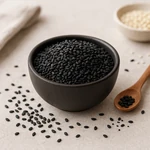
What black sesame seeds are 🌑
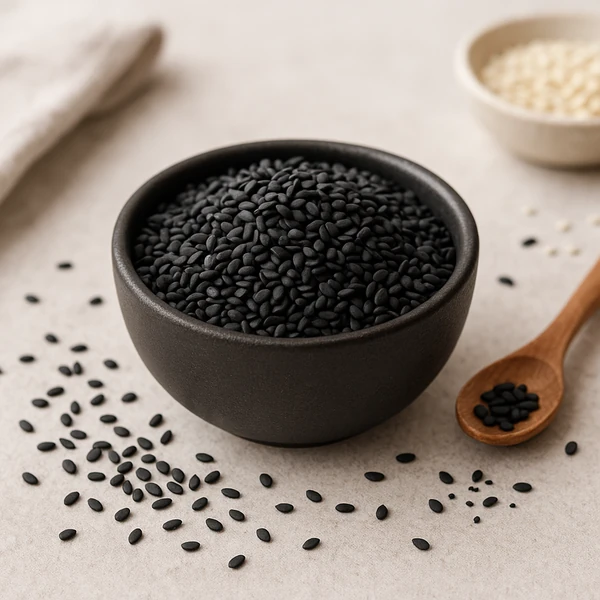
Black sesame seeds come from the same sesame plant as the familiar pale seeds. The main difference is processing: black sesame is typically left with its hull intact, which gives it a darker color and, in many cases, a deeper, slightly more robust taste. Like all sesame, the seeds are rich in natural oils—great for flavor, but also the reason they can go stale if stored poorly.
Across Asian cuisines, black sesame shows up in two everyday roles:
- As a finishing touch: sprinkled over rice bowls, noodles, salads, soups, and baked goods for crunch and contrast.
- As a core flavor: ground into a powder or paste for fillings, creams, sauces, and desserts.
How black sesame tastes (and why toasting matters) 👃
Raw black sesame has a mild nuttiness, but its real personality appears with heat. A short toast awakens a warm, roasted aroma similar to nuts, with a subtle earthy edge. That’s why many cooks treat sesame like a spice: you don’t need much, but timing matters.
How you use it changes the experience:
- Whole seeds: more crunch, lighter distribution of flavor, great as a garnish.
- Crushed or ground: stronger flavor throughout the dish; ideal for dressings, desserts, and batters.
If you’ve ever tried sesame and found it bitter, it was likely overheated or old. Sesame’s oils can turn harsh when burned—or flat and “paint-like” when rancid.
Best ways to use black sesame in savory cooking 🍜
Black sesame shines in dishes where you want an extra layer of roasted aroma without changing the main profile. Try it in these situations:
1) Rice, noodles, and bowls
- Sprinkle on steamed rice, fried rice, or rice porridge.
- Finish stir-fried noodles, cold noodles, or noodle soups right before serving.
- Mix into onigiri-style rice balls or sushi-style rolls for a speckled look and gentle nutty bite.
2) Vegetables and salads
- Top roasted broccoli, carrots, cauliflower, or eggplant with sesame plus a little salt.
- Add to cucumber salad or shredded cabbage salad—especially with soy-based or citrusy dressings.
- Stir a spoonful into a vinaigrette (better if lightly crushed first).
3) Tofu, fish, and simple proteins
- Use as a final sprinkle on pan-seared tofu, salmon, or chicken.
- Combine with ginger, garlic, soy sauce, and a touch of sweetness for a quick marinade; add sesame at the end for aroma.
4) Soups and broths
Ramen-style soups, miso soups, and clear broths benefit from a small finishing pinch. Add it at the table (not early in cooking) to keep the aroma fresh.
Black sesame in sweets and baking 🍡
In many East Asian desserts, black sesame is used like cocoa or nuts: as a primary flavor, not just decoration. The taste is roasty, nutty, and pleasantly deep—especially when ground.
Easy sweet uses:
- Porridge and breakfast: sprinkle over oatmeal, rice pudding, yogurt, or chia pudding.
- Baking: add to cookie dough, quick breads, sponge cakes, pancakes, or waffles. (Ground works best for a uniform flavor.)
- Creams and ice cream: infuse cream with toasted sesame, then blend; strain if you want smoothness.
- Fillings: grind toasted seeds with sugar and a little fat (butter, coconut cream, or neutral oil) to make a simple spreadable filling.
Flavor pairings that work particularly well: honey, brown sugar, coconut, chocolate, vanilla, and a hint of salt.
How to toast black sesame without burning it 🔥
Toasting is the quickest way to intensify aroma—but sesame can go from perfect to bitter fast. Use this simple approach:
- Use a dry pan (no oil) over medium-low to medium heat.
- Add a small batch so the seeds heat evenly.
- Stir or shake constantly for 1–3 minutes. You’re looking for a noticeably stronger nutty smell, not darkening (black seeds won’t show color change).
- Remove immediately into a cool bowl or plate. Don’t leave them in the hot pan—carryover heat can scorch them.
Extra tip: For maximum fragrance in dressings or desserts, lightly crush toasted seeds in a mortar or pulse briefly in a grinder. Once broken, the oils release fast—so use soon for best aroma.
Whole vs. ground: when each form makes sense ⚖️
If you keep only one form at home, keep whole seeds and grind as needed.
- Whole seeds are more stable, stay aromatic longer, and are perfect for finishing.
- Ground sesame delivers stronger flavor but loses aroma faster because more surface area is exposed to air.
If you’re making a dessert filling or a creamy sauce, grinding is worth it. For a quick “restaurant finish” on rice or noodles, whole seeds are usually enough.
Smart pairings: flavors that make black sesame pop ✨
Black sesame is versatile, but it’s especially good with a few familiar flavor families:
- Salty & umami: soy sauce, miso, mushrooms, seaweed, fermented sauces
- Aromatic: ginger, garlic, scallion, toasted sesame oil
- Fresh & bright: lime, yuzu-style citrus, rice vinegar
- Sweet & roasty: honey, caramel notes, chocolate, coffee
In practice, it often works best as a finishing ingredient—added at the end to keep its fragrance vivid.
Choosing good black sesame (and what to watch for) 🛒
Because sesame is oil-rich, freshness matters more than people expect. When buying or using black sesame, look out for:
- Smell: fresh sesame smells pleasantly nutty when toasted. If it smells stale, dusty, or “crayon-like,” it may be rancid.
- Texture: seeds should feel dry and separate easily, not clump from moisture.
- Processing: some black sesame is sold unhulled (common) and some hulled; unhulled often tastes a bit more robust.
Allergen note: sesame is a common allergen in many countries. If you’re serving guests, treat it like nuts and label it clearly.
Storage and freshness tips 🫙
Store black sesame in an airtight container away from heat, light, and humidity. For the best flavor:
- Toast in small batches rather than pre-toasting a large amount.
- Keep ground sesame short-term (use sooner than whole seeds). If you grind a lot, store it airtight and consider refrigeration to slow oxidation.
- Don’t store next to the stove—warmth speeds up staling.
A quick idea: 2-minute sesame finishing mix (savory) ⚡
When you want a fast topper for rice, noodles, soups, or roasted vegetables:
- Toast 2–3 tablespoons of black sesame seeds.
- Cool, then lightly crush half of them.
- Mix with a pinch of salt and (optional) a small amount of chili flakes or finely grated citrus zest.
Use a pinch at a time—this is a finishing seasoning, not a sauce.
FAQ
Is black sesame stronger than white sesame?
Often, yes—many people perceive black sesame as deeper and more robust, partly because it’s commonly unhulled. But freshness and toasting make a bigger difference than color alone.
Do I need to toast it every time?
No. If you like a milder flavor, you can use it raw as a garnish. But for maximum aroma, a quick toast is worth it.
Why does my sesame taste bitter?
The two most common causes are over-toasting (too hot, too long) or stale seeds. Toast gently and store airtight.

Recommended products1

Drana Black Sesame Seeds 500 g
Read next
If you want to continue with the same topic, here are more related articles to explore: