Česky (CZK)
 Slovensky (EUR)
 Deutsch (EUR)
 Austria
 Belgium
 Bulgaria
 Croatia
 Denmark
 Estonia
 Finland
 France
 Germany
 Greece
 Hungary
 Italy
Italy Latvia
 Lithuania
 Luxembourg
 Netherlands
 Poland
 Portugal
 Romania
 Slovenia
 Spain
Spain Sweden










White Mustard Seeds: Flavor, Uses, and How to Cook with Them in Asian Cuisine
🌱 What are white mustard seeds?
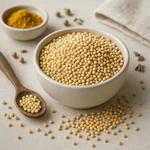
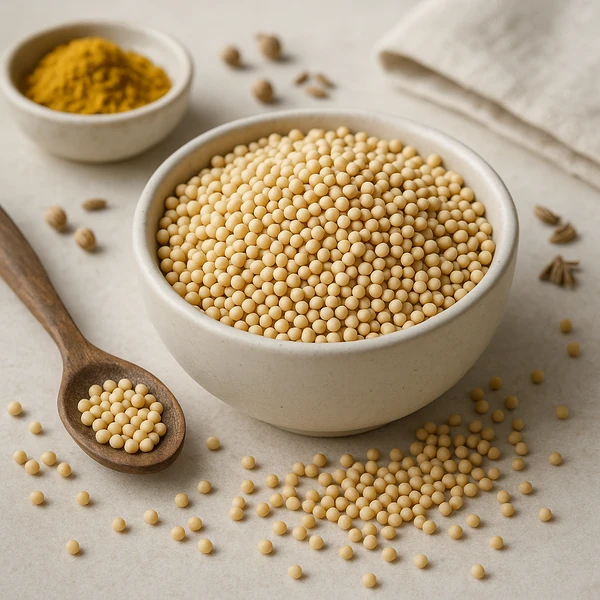
White mustard seeds (often also sold as yellow mustard seeds) are small, pale seeds from mustard plants. They’re used in cuisines across Asia—especially in Indian-style cooking techniques where spices are briefly heated in oil to release aroma—plus in pickling and spice blends.
They’re valued not because they dominate a dish, but because they create a warm, rounded base note that makes other flavors (onion, ginger, garlic, chili, turmeric, vinegar) taste more complete.
⚖️ White vs. brown vs. black mustard seeds: what’s the difference?
Mustard seeds come in several common types. In practical cooking terms:
- White/yellow mustard seeds tend to be milder and more softly aromatic. They bring a gentle mustard warmth without overwhelming heat.
- Brown mustard seeds usually taste hotter and more pungent, especially when crushed or mixed with liquid.
- Black mustard seeds are often the most intense in aroma and “snap,” and are frequently used for dramatic tempering in some regional Indian dishes.
The exact punch depends on freshness and how you use them—whole seeds behave very differently from ground seeds.
👃 Flavor and aroma: what to expect
On their own, whole white mustard seeds smell subtle and slightly nutty. Their famous sharpness shows up most clearly when the seed is crushed or ground and then meets moisture (water, vinegar, yogurt, soy-based sauces, tomato). That’s why mustard becomes “mustardy” after mixing and resting.
When you gently heat the whole seeds in oil, they turn more fragrant than spicy—think warm, savory, and lightly peppery rather than fiery.
🔥 How to use white mustard seeds (so they actually make a difference)
1) Bloom them in oil (tempering)
This is one of the most useful techniques for Asian cooking. Heat oil (or ghee), add the seeds, and let them sizzle briefly until aromatic. Then add aromatics like onion, garlic, ginger, curry leaves, chilies, or vegetables.
- Use medium heat: too hot and the seeds can burn fast.
- Watch for popping: mustard seeds may crackle and jump. A splatter screen or lid helps.
- Timing matters: as soon as they smell toasty and start to pop, move on to the next ingredients.
2) Whole vs. crushed vs. ground
- Whole seeds: best for tempering, slow-simmered sauces, lentils, and pickles. They add aroma and occasional little bursts of flavor.
- Crushed (mortar or lightly cracked): a good middle ground—more flavor release than whole seeds, but still some texture.
- Ground: the fastest route to mustard heat. Great in marinades, dressings, spice rubs, or when you want mustard character throughout a sauce.
If you want a cleaner, fresher mustard profile, crush or grind only what you need right before cooking.
🍛 Where they shine in Asian-style cooking
Indian and Sri Lankan-inspired dishes
White mustard seeds are a natural fit for tadka/tempering—the spice-infused oil that starts (or finishes) many dishes. Try them in:
- Lentils and dals (tempered with garlic, cumin, chili, and turmeric)
- Vegetable curries (especially with tomato, coconut, or tamarind notes)
- Simple cabbage, potato, or okra stir-fries with mustard seeds and aromatics
Pickles and quick pickled vegetables
Mustard seeds are classic in pickling because they hold their aroma over time and pair beautifully with vinegar, sugar, and salt. Whole seeds are usually the easiest choice here. Add them to quick pickles of cucumber, red onion, carrot, or daikon for a gentle spice note that doesn’t overpower.
Marinades and sauces
Ground white mustard seed can add a quiet heat and help sauces taste more “rounded.” It plays well with:
- Ginger + garlic (for poultry, tofu, or mushrooms)
- Soy sauce + rice vinegar (for tangy glazes)
- Yogurt (for creamy marinades; add mustard gently so it doesn’t dominate)
🧩 Flavor pairings that work especially well
White mustard seeds are at their best when they support other seasonings. Strong, reliable partners include:
- Turmeric, cumin, coriander, chili (classic curry direction)
- Garlic, ginger, scallion (everyday aromatic base)
- Vinegar, citrus, sugar (pickles and sweet-sour profiles)
- Tomato (adds depth and warmth to sauces)
- Legumes (lentils, chickpeas—mustard helps prevent blandness)
🧊 Buying and storage tips (and common mistakes)
- Choose whole seeds for versatility: they stay aromatic longer than pre-ground spices and work for both cooking and pickling.
- Don’t burn them: burnt mustard seeds turn bitter quickly. If the oil smokes or the seeds darken too much, start over—bitterness spreads.
- Store airtight, cool, and dry: moisture dulls aroma and can cause clumping. Keep seeds away from the stove’s steam.
- Grind in small batches: ground mustard loses its “spark” faster than whole seeds.
🥄 A simple 5-minute idea: mustard seed finishing oil
If you want to understand what white mustard seeds do, try this quick finishing oil:
- Heat 2–3 tablespoons of neutral oil in a small pan over medium heat.
- Add 1 teaspoon white mustard seeds and let them sizzle until fragrant (and just starting to pop).
- Add sliced garlic or dried chili (optional) for 10–20 seconds.
- Pour over cooked lentils, steamed vegetables, or plain rice. Season with salt and a squeeze of lemon.
It’s a small step that makes simple food taste intentionally seasoned.
FAQ
Are white mustard seeds spicy?
Whole seeds are usually mild in dishes. The sharp heat shows up more when the seeds are crushed/ground and mixed with liquid.
Can I substitute brown or black mustard seeds?
Yes, but expect stronger pungency. If swapping in darker seeds, use a little less at first and be extra careful not to burn them during tempering.
Do I need to toast them dry?
For Asian-style cooking, blooming in oil is often more useful than dry toasting because the aroma disperses into the fat and then into the whole dish.

Recommended products2
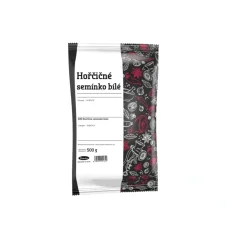
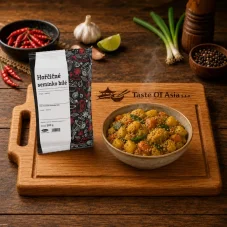

Drana White Mustard Seeds 500 g
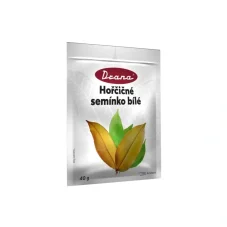
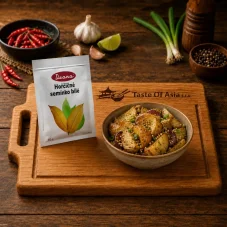
Drana Mustard Seed White 40 g
Read next
If you want to continue with the same topic, here are more related articles to explore: