

 Česky (CZK)
 Slovensky (EUR)
 Deutsch (EUR)
 Austria
 Belgium
 Bulgaria
 Croatia
 Denmark
 Estonia
 Finland
 France
 Germany
 Greece
 Hungary
 Italy
Italy Latvia
 Lithuania
 Luxembourg
 Netherlands
 Poland
 Portugal
 Romania
 Slovenia
 Spain
Spain Sweden










White Mustard Seeds: Flavor, Heat, and Smart Ways to Use Them in Cooking
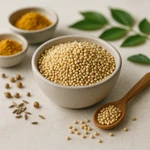
🌱 What are white mustard seeds?
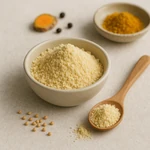
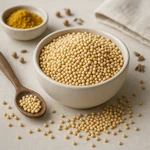
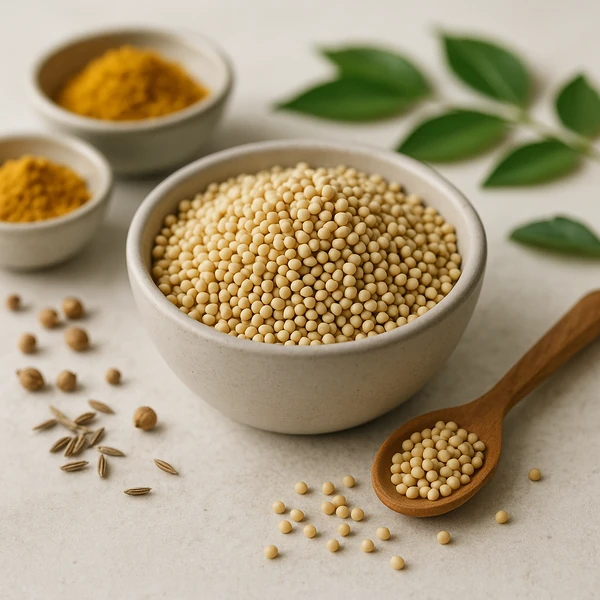
White mustard seeds are small, pale yellow to ivory seeds from Sinapis alba. Compared with brown or black mustard seeds, they’re typically milder and rounder in heat. That makes them a versatile “supporting spice”: they add aroma and gentle bite without dominating a dish.
You’ll see white mustard seeds in many food traditions—European pickling and mustard-making, as well as South Asian and Southeast Asian cooking techniques where spices are briefly heated in oil to release fragrance.
👃 Taste, aroma, and how the heat works
Dry and whole, white mustard seeds smell subtle—slightly earthy and nutty. The classic mustard “kick” shows up most clearly when the seeds are crushed and mixed with moisture (water, vinegar, citrus juice, wine). That’s when the seed’s natural compounds react and develop pungency.
- Whole seeds: mild, toasty, gently peppery; great for slow flavor release (brines, soups) or for blooming in oil.
- Ground seeds: quicker, more noticeable bite; best for dressings, sauces, rubs, and marinades.
Heat changes the profile, too. A short warm-up in oil can bring out a pleasant nuttiness, but overheating can push it into bitterness.
🔥 Whole vs. ground: how to use each (and why timing matters)
Using whole seeds: “blooming” in oil
If you want the aroma to spread through a dish, whole seeds are your best tool. Add them to hot oil and let them sizzle briefly—this perfumes the fat, which then carries the flavor across the whole pan.
- Heat 1–2 tbsp neutral oil (or ghee/coconut oil) over medium-high.
- Add 1/4–1/2 tsp white mustard seeds.
- When they start to sizzle and a few begin to pop, immediately add onions, garlic, ginger, curry leaves, or vegetables—then continue cooking.
Key point: if the seeds darken quickly or smell sharp/burnt, the oil is too hot.
Using ground seeds: fast, even seasoning
Ground white mustard seed is practical when you want even distribution and no waiting. It works especially well in:
- creamy sauces (coconut-based or dairy-based)
- vinaigrettes and emulsified dressings
- marinades for tofu, chicken, pork, or mushrooms
- dry rubs with turmeric, coriander, cumin, chili, and sugar
Freshness tip: whole seeds keep their aroma longer than pre-ground. If you can, grind small batches as needed.
🥘 Where white mustard seeds fit in Asian-inspired cooking
White mustard seeds are not meant to be “loud.” Their strength is the way they build a savory base note that supports bolder ingredients like chili, ginger, garlic, tamarind, and fermented sauces.
Try them when you want:
- a fragrant start to a vegetable stir-fry (bloom seeds in oil, then add aromatics)
- a subtle bite in creamy curries or coconut stews
- extra depth in lentils, chickpeas, or bean dishes (add tempering at the end or at the start)
- balance in sweet-sour sauces (mustard plays well with vinegar and sugar)
They pair particularly well with turmeric, cumin, coriander seed, fenugreek, curry leaves, black pepper, dried chilies, garlic, ginger, and coconut milk.
🫙 Pickles, brines, and marinades: a natural home for white mustard seeds
White mustard seeds are a classic pickling spice because they release flavor gradually without turning harsh. Add them to:
- quick pickles (cucumber, carrot, radish, red onion)
- longer ferments where a slow, steady spice note is helpful
- marinades with vinegar or citrus (mustard’s gentle heat “lifts” the acidity)
For a simple brine, start with vinegar + water + salt + sugar, then add mustard seeds along with aromatics such as garlic, chili, bay leaf, or peppercorns.
✅ Choosing, storing, and common mistakes
How to choose
- Look for uniform color (pale yellow/ivory) and a clean, dry smell.
- If seeds smell dusty, stale, or “flat,” they may be old.
How to store
- Keep in an airtight container away from heat, sunlight, and humidity.
- Whole seeds usually stay aromatic longer than ground spice.
Common mistakes (and how to avoid them)
- Burning the seeds in oil: use medium-high heat, watch closely, and add other ingredients as soon as they sizzle/pop.
- Adding whole seeds too late: they won’t have time to infuse; bloom them early for aroma.
- Expecting instant heat from whole seeds: their bite is gentler unless crushed and moistened.
- Using too much ground mustard: start small (a pinch to 1/4 tsp) and adjust—pungency can build.
🍽️ Simple idea: 2-minute mustard-seed tempering (to finish a dish)
This is an easy way to add a fresh, fragrant top note—great on lentils, sautéed greens, rice bowls, or roasted vegetables.
- Heat 1 tbsp oil in a small pan.
- Add 1/4 tsp white mustard seeds and (optional) a pinch of chili flakes.
- When the seeds sizzle, add 1 sliced garlic clove or a few curry leaves for 10–15 seconds.
- Pour immediately over the finished dish and stir.
Why it works: the hot, spice-infused oil carries aroma instantly, even in foods that are otherwise mild.
Our picks
- Whole white mustard seeds for blooming in oil and for pickling.
- Ground white mustard seed for dressings, marinades, and quick sauces.
- Complementary spices to keep nearby: turmeric, cumin, coriander seed, dried chili.
Related categories
- Whole spices for tempering and spice-infused oils
- Pickling and fermentation staples
- Curry and stew ingredients (coconut, dried chilies, aromatics)
FAQ
Are white mustard seeds the same as yellow mustard?
They’re closely related in everyday cooking: “yellow mustard” often refers to preparations made from milder mustard seeds (commonly white) and turmeric, which gives the familiar bright color. Whole white mustard seeds are the raw spice.
Can I substitute white mustard seeds for brown or black?
Yes, but expect a milder result. Brown/black mustard seeds are usually sharper and more pungent. If substituting, you may need a little more white mustard seed or additional chili/pepper for the same intensity.
Do I need to toast mustard seeds before grinding?
Not necessarily. Toasting can add nuttiness, but it can also reduce the sharp mustard bite. For dressings and marinades where you want more punch, grind them untoasted and mix with a little liquid.

Recommended products4
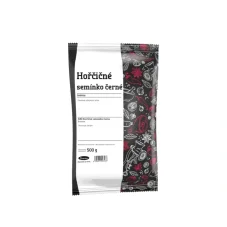
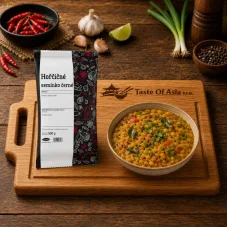

Drana Black Mustard Seeds 500 g
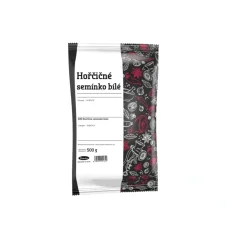
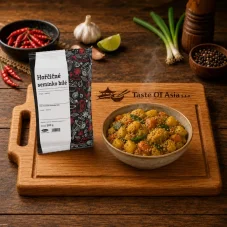
Drana White Mustard Seeds 500 g
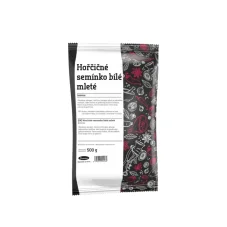
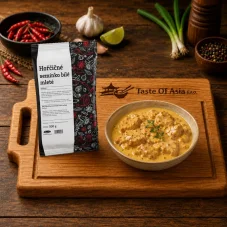
Drana Ground White Mustard Seed 500 g
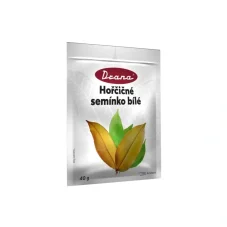
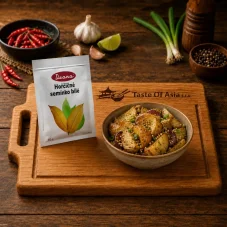
Drana Mustard Seed White 40 g
Read next
If you want to continue with the same topic, here are more related articles to explore: