

 Česky (CZK)
 Slovensky (EUR)
 Deutsch (EUR)
 Austria
 Belgium
 Bulgaria
 Croatia
 Denmark
 Estonia
 Finland
 France
 Germany
 Greece
 Hungary
 Italy
Italy Latvia
 Lithuania
 Luxembourg
 Netherlands
 Poland
 Portugal
 Romania
 Slovenia
 Spain
Spain Sweden










Lovage how to use it in Asian cuisine
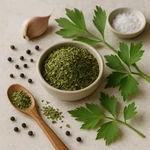
🌿 What lovage tastes like (and why a little goes a long way)
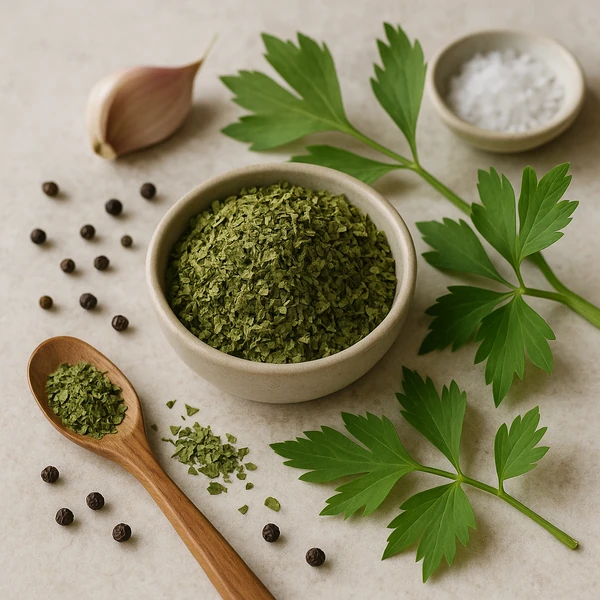
Lovage is an intensely aromatic leafy herb from the parsley family. Its flavor is often described as celery-like, peppery, and naturally savory, with an almost “brothy” depth even when you use only a pinch.
That intensity is the main thing to remember: lovage is not a gentle finishing herb like chives. Think of it more like a seasoning you dose carefully—especially in dried form.
👃 Fresh vs. dried lovage: how they behave in cooking
You’ll most commonly find lovage as fresh leaves or dried leaves. Both are useful, but they shine in different moments:
- Dried lovage has a concentrated, warm aroma. It works well in dishes with a simmering phase (soups, broths, sauces). Start with a small pinch, let it hydrate and bloom, then taste.
- Fresh lovage is greener and more pungent. Use it like a “final touch”: chopped and stirred in at the end, or sprinkled on top right before serving.
🍜 Why lovage can work in Asian-style dishes (even if it isn’t traditional)
Lovage isn’t a classic staple in most Asian cuisines. But its celery-and-herb profile overlaps with flavors that appear across many Asian cooking styles—especially dishes built on aromatic bases and layered seasonings (garlic, ginger, scallions, sesame, soy, fermented sauces).
Used as a subtle accent, lovage can:
- make light broths taste more rounded and “finished,”
- add savory depth to quick sauces for noodles or rice,
- give vegetable stir-fries a richer aroma without extra salt.
🍚 Practical ways to use lovage in Asian-inspired cooking
1) Brothy soups and noodle bowls
Lovage is at its best in soup. Add a tiny pinch of dried lovage while the broth simmers, then adjust after 5–10 minutes. If using fresh lovage, chop it finely and add at the end so it stays bright.
Works particularly well with: garlic, ginger, scallions, mushrooms, soy sauce, white pepper, sesame oil.
2) Rice and simple grains
For everyday rice, you can add a very small pinch of dried lovage to the cooking water (or to the pot right after cooking while the rice steams). It can make plain rice taste more aromatic—especially if you’re serving it with a strong main (stir-fry, braise, curry-style dishes).
3) Stir-fries: use fresh lovage as a finishing herb
In fast, high-heat cooking, dried lovage can turn dominant quickly. A better approach is to cook your stir-fry as usual, then add fresh chopped lovage off the heat. It gives a savory, green lift similar to adding scallion greens or celery leaves—just more intense.
4) Noodle sauces and quick “seasoning oils”
Lovage pairs well with sesame oil and soy-based sauces. If you like dry-style noodles (not soupy), stir a pinch of dried lovage into the sauce, wait a minute for it to hydrate, then toss with hot noodles.
Flavor pairings that make sense: soy sauce, black vinegar, toasted sesame, garlic, chili, peanuts, mushrooms.
🔧 How to dose it: a simple guideline
- Dried lovage: start with a pinch for a pot of soup or a pan sauce; you can always add more, but it’s hard to take it out once it blooms.
- Fresh lovage: use sparingly (a small spoon of finely chopped leaves for a bowl or serving), and add it late.
If you’re unsure, treat lovage like bay leaf or dried thyme: supportive, not starring.
Common mistakes (and how to avoid them)
- Adding too much early: lovage intensifies as it cooks. Add gradually and taste after it has had time to release its aroma.
- Using dried lovage like a garnish: dried leaves need moisture and a little time. If you want a fresh “green top note,” use fresh lovage instead.
- Competing with very strong spice blends: if your dish is already dominated by a powerful curry paste, fermented shrimp paste, or heavy five-spice profile, lovage can become muddy. Use it only as a tiny background note.
🧊 Storage tips for better flavor
- Dried lovage: keep it tightly sealed, away from light and humidity. Aromatic herbs fade faster than many spices, so use within a reasonable time for the best impact.
- Fresh lovage: store like leafy herbs (wrapped lightly, refrigerated) and use sooner rather than later. Add it at the end of cooking for the cleanest aroma.
Quick idea: 10-minute sesame-garlic noodles with a lovage twist
This is not a traditional recipe—just a practical way to test lovage in an Asian-style format.
- Cook noodles and reserve a splash of noodle water.
- Mix a quick sauce: soy sauce + sesame oil + a little vinegar (optional) + minced garlic.
- Stir in a tiny pinch of dried lovage (or a small amount of finely chopped fresh lovage at the very end).
- Toss noodles with sauce, loosen with noodle water, and adjust to taste.
🔥 Our picks (optional add-ons)
- Koningsvogel Chilli paste Sambal Badjak extra hot 375 g – if you like heat, chili paste can pair nicely with lovage in noodle sauces or stir-fries. Add in tiny amounts and balance with soy and a touch of sweetness.
FAQ
Is lovage the same as celery?
No, but the flavor profile is related. Lovage is more intense and more herbaceous, while celery is milder and more watery/crisp.
What can I use instead of lovage?
Try celery leaves, a small amount of flat-leaf parsley plus a hint of celery salt, or a gentle dried herb like thyme (not the same, but similarly supportive in broths).
Does lovage work with spicy food?
Yes—especially with chili, black pepper, and garlic. The key is balance: use lovage as a background note so it doesn’t clash with heat.

Recommended products1
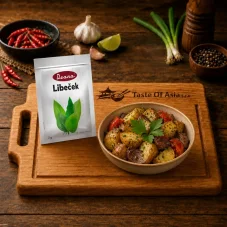
Drana Lovage 7 g
Read next
If you want to continue with the same topic, here are more related articles to explore: