

 Česky (CZK)
 Slovensky (EUR)
 Deutsch (EUR)
 Austria
 Belgium
 Bulgaria
 Croatia
 Denmark
 Estonia
 Finland
 France
 Germany
 Greece
 Hungary
 Italy
Italy Latvia
 Lithuania
 Luxembourg
 Netherlands
 Poland
 Portugal
 Romania
 Slovenia
 Spain
Spain Sweden










Wild Garlic (Ramsons): A Spring Herb With a Gentle Garlicky Aroma—And How to Use It in Asian Cooking
🌿 What wild garlic is (and why it tastes “greener” than garlic)
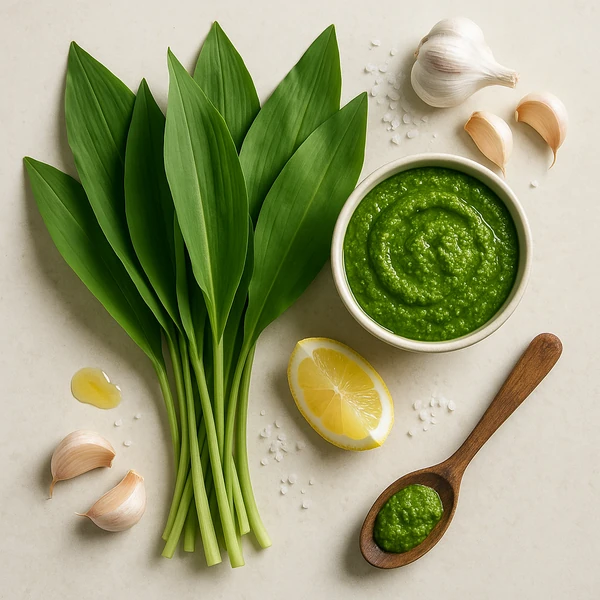
Wild garlic (ramsons, Allium ursinum) is a spring plant in the onion family, related to garlic, chives, and leeks. In the kitchen, the leaves are the star: soft, tender, and intensely aromatic when chopped.
Unlike a garlic clove, which can feel sharp and lingering, wild garlic tastes more like a blend of mild garlic and fresh herbs. That “green” profile is exactly why it works well in dishes where you want fragrance and lift—without overpowering delicate sauces, seafood, tofu, or vegetables.
👃 Aroma first: when to add it so it actually shines
Wild garlic is at its best when its aroma stays fresh. Think of it like basil or scallion greens rather than like minced garlic.
- Add late to hot dishes: stir in during the final 30–60 seconds, or toss in off the heat.
- Use raw for maximum fragrance: fold into dips, dressings, or finishing oils.
- Keep pieces fairly large: a rough chop releases aroma but still gives you those juicy green notes.
If you cook it too long, the flavor flattens and can turn slightly dull—still pleasant, but you lose the springy freshness that makes it special.
🍳 Everyday ways to use wild garlic (beyond pesto)
Wild garlic doesn’t need complicated prep. A small handful can change a whole meal.
Quick wins
- Eggs: add to scrambled eggs, omelets, or a Japanese-style tamagoyaki filling.
- Soups: stir in right before serving (miso soup and clear broths especially benefit).
- Butter or mayo: mix into softened butter or mayonnaise for an instant sandwich spread.
- Rice and grains: fold into hot rice with a pinch of salt and a little sesame oil.
Simple bases to keep in the fridge
- Wild garlic oil: blend leaves with a neutral oil; use a few drops as a finishing touch on noodles or dumplings.
- Herb paste: pound with salt and a little oil; keep refrigerated and use like a seasoning.
- Freezer stash: chop and freeze in small portions so you can add a pinch to dishes later.
🍜 Using wild garlic in Asian-inspired dishes (smart swaps and easy pairings)
Many Asian cuisines already rely on “green allium” flavors—scallions, garlic chives, Chinese chives, and garlic shoots. Wild garlic slots into that role naturally. Use it as a finishing herb, or as a quick stir-in near the end of cooking.
🥢 Fried rice and wok stir-fries
For egg fried rice or vegetable fried rice, cook as usual (aromatics, protein, rice, seasoning), then toss in wild garlic at the very end. It adds freshness that balances salty sauces and toasted flavors from the wok.
Great with: soy sauce, white pepper, sesame oil, chili oil, toasted sesame seeds, mushrooms, tofu, shrimp.
🍜 Noodles (from weeknight quick to restaurant-style)
Stir-fried noodles can feel heavy if the sauce is rich. A small handful of chopped wild garlic lightens the finish—especially with noodles that include peanuts, sesame, or a sweet-salty glaze.
Try it with: peanut-style noodle sauces, sesame noodles, pad thai-style stir-fries, or simple garlic-soy noodles (wild garlic can replace part of the clove garlic).
🍛 Coconut curries and creamy sauces
In coconut-based curries, add wild garlic right at the end (or sprinkle on each bowl). The herbaceous garlic note cuts through richness and makes the curry taste fresher without changing its core flavor.
Works well with: lime, fish sauce, tamarind, ginger, lemongrass, roasted peanuts, fresh cucumber.
🥬 Rice paper rolls and lettuce wraps
Wild garlic is excellent in fresh rolls because it reads as an herb, not a pungent garlic hit. Use a small amount and combine it with milder greens so it doesn’t dominate.
Nice combinations: rice noodles + crunchy veg + tofu or prawns + wild garlic + mint/coriander + a tangy dipping sauce.
✨ Flavor combinations that consistently work
- Bright acidity: lime, lemon, rice vinegar—makes the “green garlic” taste pop.
- Nutty notes: toasted sesame, peanuts, tahini—rounds out sharpness and adds depth.
- Fermented umami: soy sauce, miso, fish sauce—gives structure so the herb feels integrated, not random.
- Chili heat: chili crisp, fresh chili, gochujang—pairs well with the sweet-herby garlic aroma.
- Mushrooms and tofu: mild ingredients that carry the aroma beautifully.
❄️ Season, storage, and common mistakes
Seasonality
Fresh wild garlic is a true spring ingredient. When it’s in season, it’s worth using often—its tenderness and fragrance are at their peak.
How to store fresh leaves
- Refrigerator: wrap in a slightly damp paper towel and place in a bag or container; use within a few days for best aroma.
- Freezing: chop and freeze in small portions; convenient for soups, fried rice, and noodles.
- In a paste: blend with oil and salt; keep cold and use as a seasoning spoon-by-spoon.
Common mistakes
- Overcooking: long simmering dulls the fragrance—add it late.
- Using too much: it’s gentler than garlic, but still powerful; start small and adjust.
- Confusing foraged plants: if you pick it yourself, be 100% sure of identification. Several look-alikes are not edible. When in doubt, buy from a trusted source.
🍚 A quick idea: 10-minute wild garlic finishing mix for rice
If you want an easy way to use it Asian-style without committing to a full recipe, try this simple finishing mix:
- Warm cooked rice (jasmine or short-grain)
- 1–2 tsp sesame oil
- 1–2 tsp soy sauce (to taste)
- A squeeze of lime
- A small handful of chopped wild garlic
- Optional: chili crisp, toasted sesame seeds, chopped peanuts
Mix off the heat and taste immediately. It’s a fast side dish that also works as a base for tofu, eggs, or grilled fish.
Our picks (pantry items that pair beautifully)
- Jasmine rice or short-grain rice (for fried rice and rice bowls)
- Rice noodles (for quick stir-fries and fresh rolls)
- Sesame oil, soy sauce, and rice vinegar (to build a balanced dressing or finishing sauce)
Related categories
- Noodles & rice
- Sauces (soy-based, fermented, chili)
- Coconut products and curry essentials
FAQ
Is wild garlic the same as garlic chives?
No, but they’re related. Garlic chives are commonly used in East Asian cooking and have a similar “green allium” profile. Wild garlic is usually softer, more leaf-like, and very aromatic in spring.
Can I use wild garlic instead of garlic cloves?
Partly. It can replace some of the garlicky aroma, especially as a finishing herb, but it won’t give you the same deep, cooked garlic base you get from frying minced cloves at the start.
Does it work in spicy dishes?
Yes. It pairs well with chili, but add it at the end so heat doesn’t mute the fragrance.
What’s the easiest way to preserve it?
Chop and freeze in small portions, or blend into a salted herb paste with a little oil. Both methods keep the flavor convenient for weeknight cooking.

Recommended products1
Drana Bear Garlic 5 g
Read next
If you want to continue with the same topic, here are more related articles to explore: