Česky (CZK)
 Slovensky (EUR)
 Deutsch (EUR)
 Austria
 Belgium
 Bulgaria
 Croatia
 Denmark
 Estonia
 Finland
 France
 Germany
 Greece
 Hungary
 Italy
Italy Latvia
 Lithuania
 Luxembourg
 Netherlands
 Poland
 Portugal
 Romania
 Slovenia
 Spain
Spain Sweden










Ground Garlic: A Fast Way to Big Flavor (Especially in Asian Cooking)
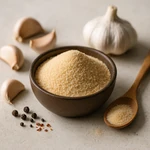
🧄 What ground garlic is (and what it isn’t)
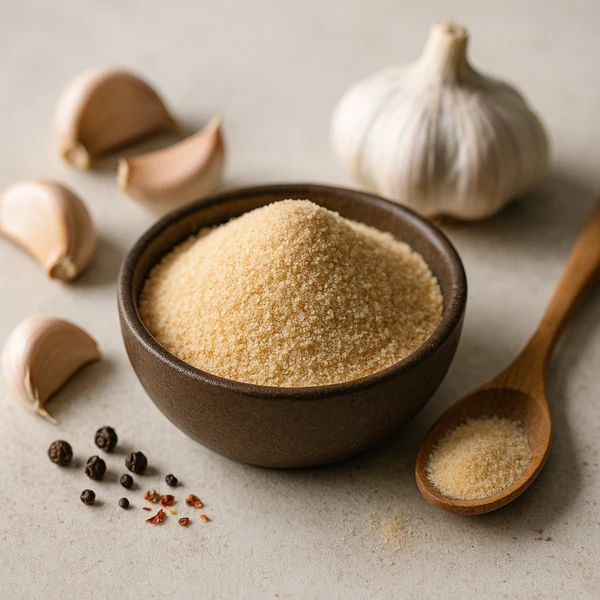
Ground garlic is made from peeled garlic cloves that are dehydrated and then milled into a fine powder or small granules. Because the moisture is removed, the flavor behaves differently than fresh garlic: it’s less “juicy,” usually a bit rounder and sweeter, and it disperses evenly through sauces and spice mixes.
You’ll see several similar forms in shops:
- Garlic powder / ground garlic: very fine, blends into liquids and sauces quickly.
- Granulated garlic: slightly coarser, great for rubs and seasoning mixes (less likely to clump).
- Dried minced garlic: larger pieces, more texture, slower to hydrate.
All can work in Asian-style cooking—the best choice depends on whether you want a smooth sauce or a more “speckled” dry rub.
🌏 Why it fits Asian kitchens so well
Many Asian cuisines lean on garlic as a daily building block—alongside ginger, chili, scallion, soy sauce, sesame, and fermented pastes. In fast cooking methods like stir-frying, where timing is tight, ground garlic offers two practical advantages:
- Speed: no peeling or chopping, and no sticky garlic residue on your hands.
- Consistency: the same strength and distribution every time—useful for marinades and repeatable weeknight meals.
It’s also a smart option when you don’t want visible garlic pieces (for example in dry coatings, spice mixes, or smooth dipping sauces).
🍳 How to use ground garlic without burning it
The most common complaint with ground garlic is bitterness. That usually comes from toasting it too hard in hot, dry oil. Fine garlic powders can darken quickly—faster than fresh garlic.
🔥 A simple rule that prevents bitterness
- If the pan is very hot and mostly dry (classic stir-fry start): add ground garlic with other wet ingredients (sauce, broth, mirin, coconut milk) or after aromatics have released moisture.
- If you want to bloom spices in oil: use gentler heat, add ground garlic briefly (5–10 seconds), and immediately follow with a liquid or the main ingredients.
- In marinades: whisk it into the liquid and give it a few minutes to hydrate before using.
🥣 Where it shines: practical uses
Marinades (meat, tofu, mushrooms)
Ground garlic excels in marinades because it distributes evenly and won’t burn as easily as chopped garlic on a grill or in a hot pan. Combine it with:
- soy sauce or fish sauce for umami
- a sweetener (sugar, honey, palm sugar) for balance and browning
- acid (lime, rice vinegar) to lift richness
- oil (neutral oil or a little sesame oil) for aroma
Stir-fries and fried rice
Add ground garlic into your sauce mix (soy + oyster sauce + a splash of water/broth, etc.) and pour it in once ingredients are moving in the pan. This approach flavors the whole dish without risking scorched garlic at the bottom of the wok.
Soups, broths, and ramen-style bowls
In liquids, ground garlic hydrates and mellows. It’s a handy way to deepen flavor in miso soup variations, quick noodle broths, hot-and-sour style soups, or dumpling soups—especially when you want warmth and savoriness without chunks of garlic.
Dry rubs and seasoning mixes
For oven roasting, air frying, or grilling, ground or granulated garlic is often more reliable than fresh: it coats evenly and won’t leave burnt garlic pieces on the surface. It pairs well with:
- chili (flakes, powder, gochugaru-style heat)
- ginger (ground ginger for dry rubs, or fresh in wet marinades)
- sesame (seeds for texture, sesame oil for aroma)
- five-spice for Chinese-inspired roasts
🧂 Choosing a good ground garlic (what to check)
- Color and aroma: it should smell clearly garlicky, not dusty or stale. Very dark or dull powder can indicate age.
- Texture: powder dissolves fast; granulated is easier for rubs and less prone to clumping.
- Ingredients: some products include anti-caking agents. That’s not automatically bad, but it can slightly affect how it mixes into liquids. If you prefer simplicity, look for garlic as the main ingredient.
🕰️ Storage tips (and why your spice loses punch)
Ground garlic keeps best when protected from heat, steam, and moisture. A few habits make a big difference:
- Keep the jar tightly closed and away from the stove.
- Use a dry spoon—steam from a pot can introduce moisture and cause clumping.
- If it starts to smell faint or “papery,” increase the dose slightly or replace it.
When fresh garlic is still the better choice
Reach for fresh garlic when you want a sharper, brighter bite—like in finishing sauces, fresh salsas, garlicky dipping sauces, or dishes where garlic is meant to stand out as a main note. Ground garlic is best when you want even seasoning and fast, reliable background flavor.
🍜 Optional quick usage idea: 2-minute garlic-ginger stir-fry sauce
If you like repeatable weeknight cooking, mix this in a small bowl before you turn on the heat:
- 2 tbsp soy sauce
- 2–3 tbsp water or stock
- 1 tsp sugar or honey
- 1/4–1/2 tsp ground garlic
- 1/4–1/2 tsp ground ginger (or a small amount of fresh ginger)
- Optional: a splash of rice vinegar and chili to taste
Stir well, pour into the pan at the end of cooking, and toss until glossy. It’s a simple base for noodles, vegetables, chicken, shrimp, or tofu.
⭐ Our picks (no-fuss pairings to keep in the pantry)
- Sesame oil for aroma and a nutty finish
- Soy sauce and rice vinegar for quick balanced sauces
- Chili flakes or chili paste for adjustable heat
FAQ
- Does ground garlic taste the same as fresh garlic?
- No. It’s typically milder, less sharp, and more uniform in a dish. It’s excellent for background depth, while fresh garlic delivers brighter bite and moisture.
- Can I add ground garlic at the start of a stir-fry?
- You can, but be careful: in very hot oil it can burn quickly. For most home stir-fries, it’s safer to mix it into a sauce or add it once there’s moisture in the pan.
- Why does my ground garlic clump?
- Moisture is the usual cause (steam from cooking, a wet spoon, or storage near heat). Keep it sealed, dry, and away from the stove.

Recommended products1
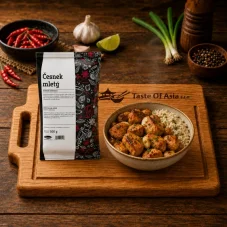
Drana Ground Garlic 500 g
Read next
If you want to continue with the same topic, here are more related articles to explore: