Česky (CZK)
 Slovensky (EUR)
 Deutsch (EUR)
 Austria
 Belgium
 Bulgaria
 Croatia
 Denmark
 Estonia
 Finland
 France
 Germany
 Greece
 Hungary
 Italy
Italy Latvia
 Lithuania
 Luxembourg
 Netherlands
 Poland
 Portugal
 Romania
 Slovenia
 Spain
Spain Sweden










Ground Mace: A Gentle Spice with Big Aroma (and How to Use It in Asian Cooking)
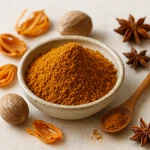
🌿 What ground mace actually is
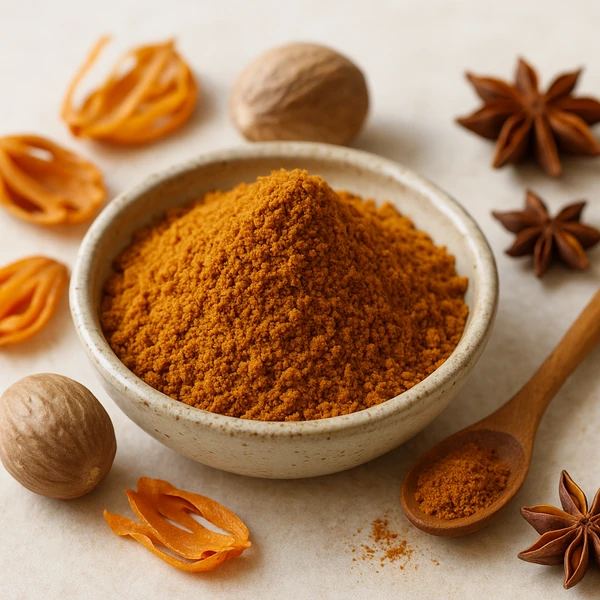
Mace comes from the same plant as nutmeg (Myristica fragrans), but it’s not the seed itself. Nutmeg is the inner kernel; mace is the delicate, lacy covering (aril) that wraps around that kernel. Once dried, mace is either sold as “blades” (small curled pieces) or ground into a fine powder.
Historically, nutmeg and mace were prized spices from Southeast Asia, especially the Indonesian islands where the nutmeg tree grows well in humid tropical climates. Today they’re used worldwide—from classic European cream sauces to aromatic spice blends across South and Southeast Asia.
👃 Aroma and flavor: what to expect
Ground mace is warm and perfumed rather than sharp. Many cooks describe it as:
- Gently sweet (not sugary—more like a rounded warmth)
- Floral-spiced and elegant
- Less “punchy” than nutmeg, but still unmistakably aromatic
It shines when it’s briefly warmed in fat (oil, ghee, coconut cream) or simmered gently in a sauce—exactly the kind of cooking many Asian dishes rely on.
🧂 Mace vs. nutmeg: when to use which
Because they’re related, mace and nutmeg can sometimes substitute for each other, but they don’t behave identically.
- Choose mace when you want a softer, more refined aroma that blends into the background and “rounds out” a dish.
- Choose nutmeg when you want a more direct, bold nutmeg note that stands out clearly.
Practical substitution tip: if you only have one of them, start with about half the amount you think you need, taste, then adjust. It’s easy to add more; hard to take it back.
🍛 Why mace works so well in Asian cooking
Many Asian cuisines build flavor in layers: aromatics first, then spices, then liquid (stock, coconut milk), then balancing (salt, sweetness, acidity). Mace fits this logic beautifully because it doesn’t compete with bigger flavors—it ties them together.
It’s especially helpful in dishes that can feel “flat” or overly sharp after simmering. A tiny pinch can make the whole sauce feel smoother, warmer, and more cohesive.
🍚 Best ways to use ground mace (with timing tips)
With ground mace, less is more. Think in pinches, not teaspoons—especially in savory food.
Where it fits naturally
- Coconut curries: a pinch can soften edges and deepen the creamy-spice character (great in yellow-style curries, massaman-style flavors, and mild coconut gravies).
- Fragrant rice: add a small pinch to the cooking liquid, or bloom it in oil before adding rice for pilaf-style rice.
- Soups and broths: particularly creamy soups, chicken broths, or noodle soups that benefit from a warm aromatic finish.
- Marinades and minced mixtures: a tiny amount can add “background warmth” to meatballs, dumpling fillings, or minced meat stir-fries.
- Sweet desserts: custards, rice puddings, coconut desserts, and fruit compotes—when you want warmth without the sharper edge of some spices.
How to add it (so it doesn’t disappear—or dominate)
- Bloom briefly: stir mace into warm oil/ghee for 10–20 seconds before adding other ingredients. Don’t brown it.
- Or add late: for a clearer aroma, add a pinch in the last 2–5 minutes of simmering.
- Avoid heavy boiling: long, aggressive boiling can dull the more delicate floral notes.
Common mistakes (and how to avoid them)
- Overdosing: mace is subtle until it isn’t. Start with a pinch, taste, then decide.
- Adding it straight into watery liquid: it disperses better (and smells better) when warmed in fat first.
- Using old, tired spice: ground spices fade faster than whole ones. If it smells dusty or weak, it won’t do much in the pot.
How to choose and store it for maximum aroma
Ground mace is convenient, but it’s sensitive to heat, light, and moisture.
- Buy small amounts if you use it occasionally.
- Store airtight in a cool, dry cupboard (not next to the stove).
- Keep moisture out: never scoop with a wet spoon; steam from the pot can also clump and dull the spice.
Quick freshness check: rub a tiny pinch between your fingers. You should get a warm, perfumed aroma immediately.
A quick kitchen idea: “Rounder” coconut curry in 10 seconds
If your coconut curry tastes spicy and aromatic but slightly sharp (or a bit one-note), try this finishing step:
- Turn heat to low.
- Stir in one small pinch of ground mace.
- Simmer gently for 2 minutes, taste, then decide if it needs another tiny pinch.
This works particularly well when the curry contains coconut milk/cream, onions, and warm spices (like cumin, coriander, turmeric, cinnamon, cardamom).
Our picks (what to keep on hand)
- Ground mace: the easiest way to add gentle warmth quickly.
- Ground nutmeg: for recipes where you want a more assertive nutmeg note.
- Mild curry pastes or blends: mace is most noticeable in creamy, less-hot curries where it can “polish” the flavor.
Related categories
- Warm spices: cinnamon, cloves, cardamom, cumin, coriander
- Coconut-based curries and sauces: especially mild-to-medium styles
❓ FAQ
Does mace make food taste like nutmeg?
They’re related, so there’s overlap, but mace is typically more floral and refined. In savory dishes, it often reads as “warm and rounded” rather than distinctly nutmeg-like.
Is mace spicy-hot?
No—mace is aromatic and warming, not chili-hot.
Can I use mace in stir-fries?
Yes, but keep it subtle. It’s usually better in sauces, braises, curries, soups, and rice dishes than in high-heat, very fast stir-fries where its delicate aroma can get lost.

Recommended products1
Drana Ground Mace 15 g
Read next
If you want to continue with the same topic, here are more related articles to explore: