

 Česky (CZK)
 Slovensky (EUR)
 Deutsch (EUR)
 Austria
 Belgium
 Bulgaria
 Croatia
 Denmark
 Estonia
 Finland
 France
 Germany
 Greece
 Hungary
 Italy
Italy Latvia
 Lithuania
 Luxembourg
 Netherlands
 Poland
 Portugal
 Romania
 Slovenia
 Spain
Spain Sweden










Marjoram: a gentle herb with big aroma (and how to use it beyond soup)
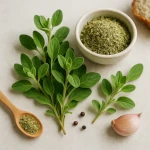
🌿 Marjoram in a nutshell
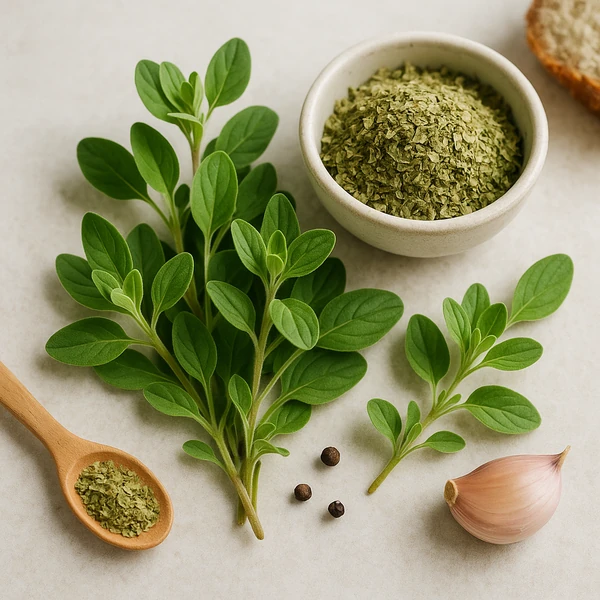
Marjoram is an aromatic herb from the Origanum family (closely related to oregano). In many European kitchens it’s a classic for hearty soups, legumes, and meat dishes—but it also fits naturally into Mediterranean and West Asian flavor profiles, where herbs, garlic, warm spices, and tangy finishes (lemon, yogurt, vinegar) often meet.
What makes marjoram special isn’t heat or sharpness—it’s its comforting, warm aroma. Used well, it doesn’t shout; it ties flavors together and rounds out heavier ingredients.
👃 What does marjoram taste and smell like?
Flavor: mild, gently sweet, softly peppery-herbal. Compared with oregano, marjoram is usually less pungent and less resinous.
Aroma: warm and fragrant, with a “home-cooked” character. This aroma is also the first thing you lose if you cook it too aggressively for too long—timing matters.
🍲 Where marjoram shines (and why it works)
Marjoram is especially useful in dishes that can feel heavy or flat without an herbal lift:
- Soups and stews: potato soups, bean soups, lentil stews, tomato-based sauces.
- Legumes: chickpeas, lentils, white beans—marjoram adds a gentle herbal top note that pairs well with garlic and cumin.
- Minced meat and sausages: meatballs, kofta-style mixes, patties, stuffing—marjoram blends into the meat rather than sitting on top.
- Roasted vegetables: potatoes, carrots, parsnips, zucchini, eggplant—especially good with olive oil and a squeeze of lemon at the end.
- Comforting dairy-based sauces: yogurt dips, sour-cream sauces, creamy mushroom sauces (use a light hand).
🧂 When to add marjoram so it stays fragrant
Think of marjoram as an “aroma herb.” You can cook it, but don’t punish it.
- Long-simmered soups and sauces: add most of it in the last 5–10 minutes. If you want deeper integration, add a tiny pinch earlier and the rest near the end.
- Roasts and tray bakes: add some at the start for background flavor, then finish with a small pinch after cooking for a fresher herbal lift.
- Meat mixes: add during mixing so it distributes evenly and seasons the whole bite.
✅ Pairings that make marjoram taste “intentional”
Marjoram is friendly with many staples. These combinations are reliably good:
- Garlic + onion (classic, works in everything from soups to marinades)
- Black pepper + paprika (marjoram softens edges and adds warmth)
- Cumin + legumes (a great bridge into West Asian–inspired cooking)
- Thyme, rosemary, oregano (for a more Mediterranean herb profile—use marjoram as the gentle note)
- Lemon juice or vinegar (a small acidic finish helps the aroma “open up”)
Fresh vs dried marjoram (and how to choose)
Dried marjoram
Dried is what most cooks reach for: it’s convenient, easy to measure, and generally aromatic enough for simmered dishes.
How to spot a good one: it should still look fairly green and smell clearly herbal when you open the jar or packet. If it’s dull brown and dusty with little scent, it won’t do much in your food.
Pro tip: rub dried marjoram gently between your fingers right before adding it—this wakes up the essential oils.
Fresh marjoram
Fresh marjoram is softer and “greener.” It’s best used as a finishing herb (sprinkled over a dish) or in quick sauces and dressings, where its delicate aroma won’t be cooked away.
How much marjoram to use (simple guidelines)
Marjoram is easiest to control if you build it gradually.
- For a pot of soup/stew (about 4 servings): start with 1/4–1/2 teaspoon dried marjoram, then adjust near the end.
- For minced meat (about 500 g / 1 lb): 1/2–1 teaspoon dried marjoram, depending on how herb-forward you want it.
- For roasted vegetables (1 tray): 1/2 teaspoon dried marjoram mixed with oil and salt; finish with a small pinch after roasting if desired.
If you add too much at once, marjoram can taste slightly bitter and overly “perfumy.” It’s usually better to add a little twice than a lot once.
🗓️ Storage tips (so it doesn’t go flat)
- Keep it in a tightly sealed container.
- Store it away from heat and sunlight (a shelf next to the stove is one of the fastest ways to lose aroma).
- For best results, use dried marjoram while it still smells lively—if the aroma is gone, the flavor impact will be minimal too.
Common mistakes (and quick fixes)
- Boiling it for ages: add it closer to the end to preserve aroma.
- Expecting it to taste like oregano: marjoram is gentler—pair it with garlic, pepper, or a touch of acidity if the dish needs more “definition.”
- Using old, scentless herbs: marjoram is aroma-driven; refresh your jar if it no longer smells like much.
Quick kitchen idea: 5-minute marjoram yogurt sauce
This is a simple way to bring marjoram into Mediterranean/West Asian–inspired meals without overthinking.
- Mix: plain yogurt (or labneh-style yogurt), a small grated garlic clove, salt, black pepper, 1–2 pinches dried marjoram, and a squeeze of lemon.
- Use it with: roasted vegetables, grilled chicken or lamb, chickpea fritters, or as a sandwich spread.
- Tip: let it sit for 5–10 minutes before serving so the herb blooms.
Our picks (what to keep on hand)
- Plain dried marjoram for soups, legumes, and meat mixes
- Mediterranean-style herb blends where marjoram plays a supporting role
- Gyro/kofta-style seasoning blends (marjoram can soften and round the mix when added as a small finishing pinch)
Related categories (useful pantry companions)
- Dried herbs (thyme, oregano, rosemary)
- Warm spices (cumin, paprika, black pepper)
- Legumes (lentils, chickpeas, beans)
❓ FAQ
Is marjoram the same as oregano?
They’re closely related, but not the same. Oregano is typically sharper and more robust; marjoram is milder, sweeter, and more delicate.
Can I substitute oregano for marjoram (or the other way around)?
Yes. Use a bit less oregano if you’re swapping it in for marjoram, since oregano can be more intense. If swapping marjoram for oregano, you may want a slightly larger amount and a touch of pepper or lemon to keep the dish bright.
Why does marjoram sometimes “disappear” in food?
It’s mostly aroma. Long, vigorous cooking and old herbs both reduce the fragrant notes that make marjoram noticeable. Add it later and make sure it still smells fresh.

Recommended products2
Drana Marjoram 250 g
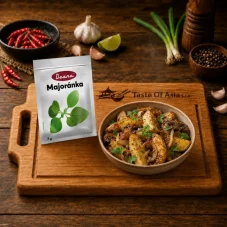
Drana Marjoram 7 g
Read next
If you want to continue with the same topic, here are more related articles to explore: