

 Česky (CZK)
 Slovensky (EUR)
 Deutsch (EUR)
 Austria
 Belgium
 Bulgaria
 Croatia
 Denmark
 Estonia
 Finland
 France
 Germany
 Greece
 Hungary
 Italy
Italy Latvia
 Lithuania
 Luxembourg
 Netherlands
 Poland
 Portugal
 Romania
 Slovenia
 Spain
Spain Sweden










Ground White Mustard Seed: Flavor, Timing, and Smart Ways to Use It
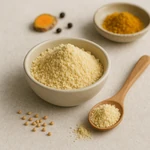
Many cooks associate mustard with a jar in the fridge, but mustard’s real power starts with the seed. Ground white mustard seed (often sold as “yellow mustard seed”) is especially useful because it blends smoothly into liquids and spreads its flavor evenly—ideal when you want mustard character without visible seeds.
🌾 What is ground white mustard seed?
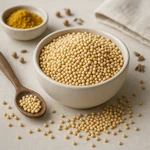
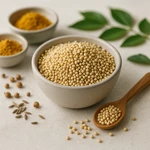
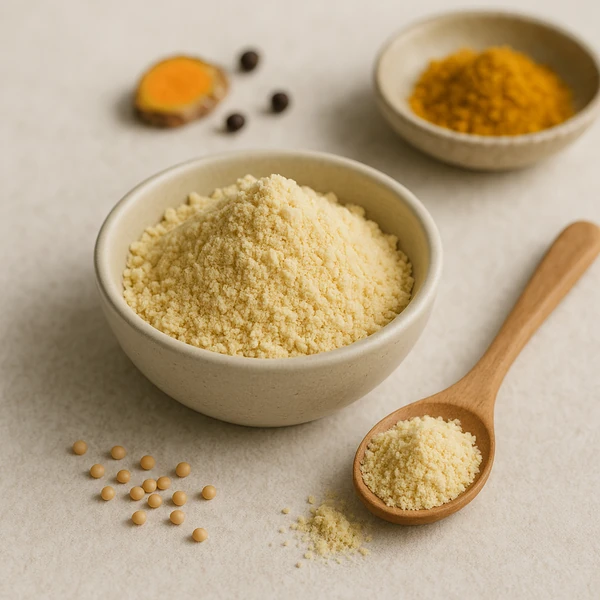
White/yellow mustard comes from Sinapis alba. When the seeds are dried and finely milled, you get a pale, slightly earthy powder that can be used as a spice on its own or as a building block for sauces and seasoning mixes.
Compared with brown or black mustard seeds, white mustard is typically milder and rounder—still pungent, but less sharp and aggressive. That makes it easier to use in everyday cooking and in dishes where you want the other aromatics (ginger, garlic, curry spices) to stay in the lead.
👃 Flavor profile: why it tastes mild at first (and stronger later)
Mustard’s signature bite doesn’t fully show up in a dry powder. It develops when the ground seed meets moisture. Once hydrated, natural enzymes in the seed create pungent compounds that read as “mustardy heat.”
- Hydration boosts pungency: give it a few minutes in a wet mixture (marinade, dressing, sauce) to bloom.
- Heat can soften it: longer cooking usually makes the bite gentler and more rounded.
- Acid changes the impression: vinegar or citrus often makes the flavor feel brighter and more “mustard-like,” even if the heat is moderate.
🍳 Best ways to use it (practical and predictable)
Because it disperses easily, ground white mustard seed is most helpful in recipes where you want even seasoning rather than pops of whole seed.
- Sauces, gravies, and pan sauces: adds warmth and a subtle thickness that helps sauces feel more cohesive.
- Marinades: supports garlic, soy, citrus, honey, and chili; great for chicken, pork, tofu, and mushrooms.
- Dry rubs and spice mixes: contributes a savory “sting” that reads as depth rather than pure chili heat.
- Legumes and vegetable stews: a pinch can lift lentils, chickpeas, and creamy vegetable soups without making them taste like prepared mustard.
- Pickling brines: useful when you want mustard aroma without whole seeds floating in the jar.
How much to use? Start small. For most home dishes, ¼–½ teaspoon is enough for a pot of sauce or a marinade for 2–4 portions. You can always add more after it has hydrated and had time to show its true intensity.
🍛 Where it shines in Asian-style cooking
Ground white mustard seed isn’t limited to European-style dressings or deli mustard. It’s a smart supporting spice in Asian-inspired food because it plays well with the classic balance of salty (umami), sweet, sour, and spicy.
- Curries: add a small pinch to curry bases or coconut sauces to deepen the background spice and make the sauce feel fuller.
- Stir-fry sauces: works especially well with soy sauce, ginger, garlic, and a touch of sugar. It gives a “mustard warmth” that reads as complexity rather than obvious mustard.
- Glazes: combine with honey or brown sugar plus citrus to create a glossy, savory-sweet finish for roasted meats, tofu, or vegetables.
🧊 Timing matters: when to add it for the result you want
- For the sharpest bite (no-cook): whisk it into dressings, dips, or cold marinades and let it sit for 5–15 minutes.
- For a mellow, integrated flavor (cooked): add it to simmering sauces and let it cook gently; taste again near the end and adjust.
- Avoid scorching: don’t throw the powder straight into very hot oil. It can turn bitter fast. If you want to “wake it up,” mix it with a little liquid first, then add.
✅ Choosing the right product (and what to check)
- Look for purity: ideally the ingredient list is simply “ground white mustard seed.” Some “mustard powders” are blended with flour, turmeric, or other seasonings.
- Freshness matters: mustard powder loses aroma over time. A flat smell usually means a flat result.
- Grind size: finer powder disperses better in sauces; a slightly coarser grind can bring a more rustic mustard note.
🧺 Storage & common mistakes
- Keep it airtight, cool, and dry: moisture is the enemy—clumps form and aroma fades faster.
- Don’t judge it too early: in wet mixtures, it needs a little time to develop. Taste, wait, then taste again.
- Start small: it’s easy to overdo it, especially in dressings and dips where the mustard bite is more noticeable.
🍽️ Quick “use it today” ideas (no full recipe required)
- Mustard-soy marinade: mix soy sauce + a little oil + garlic + a squeeze of lemon or rice vinegar + a pinch of sugar + ¼ tsp ground white mustard seed. Rest 10 minutes, then marinate chicken, tofu, or mushrooms.
- Fast mustard vinaigrette: whisk oil + vinegar/lemon + salt + a touch of honey + a pinch of ground mustard. Let it sit briefly before serving.
- Stir-fry sauce boost: add a small pinch to your usual soy/ginger/garlic sauce and simmer for 1–2 minutes to round it out.
Our picks
- Ground white mustard seed (for sauces, marinades, dressings)
- Whole white mustard seed (when you want texture in pickles or spice mixes)
- A curry spice blend you already use (then fine-tune with a pinch of mustard powder)
Related categories
- Spices & seasoning blends
- Whole seeds and aromatics
- Curry and stir-fry essentials
❓ FAQ
- Is ground white mustard seed the same as “mustard powder”?
- Sometimes. “Mustard powder” can be pure ground mustard seed, but in some markets it may be blended with other ingredients. Check the label if you want 100% mustard.
- Will it make my dish very spicy?
- White/yellow mustard is usually moderately pungent. The bite is more noticeable in cold mixtures and milder after simmering.
- What can I substitute if I don’t have it?
- You can use a small amount of brown/black mustard powder (often hotter) or prepared mustard—reduce other liquids/salt accordingly.

Recommended products1
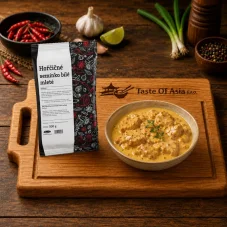

Drana Ground White Mustard Seed 500 g
Read next
If you want to continue with the same topic, here are more related articles to explore: