Česky (CZK)
 Slovensky (EUR)
 Deutsch (EUR)
 Austria
 Belgium
 Bulgaria
 Croatia
 Denmark
 Estonia
 Finland
 France
 Germany
 Greece
 Hungary
 Italy
Italy Latvia
 Lithuania
 Luxembourg
 Netherlands
 Poland
 Portugal
 Romania
 Slovenia
 Spain
Spain Sweden










White Sesame Seeds: How to Use Them (and Why You’ll Want a Bag in Your Pantry)
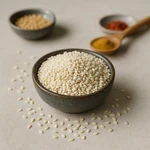
What white sesame seeds are 🌾
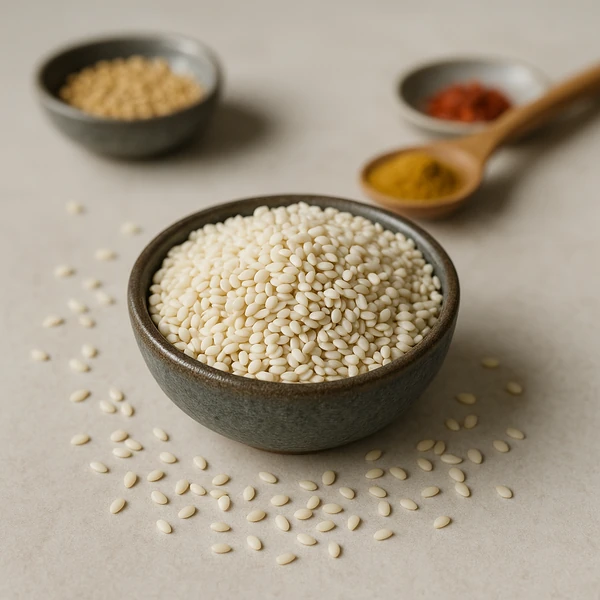
Sesame seeds come from Sesamum indicum, an oil-rich plant cultivated for thousands of years across Asia, the Middle East, and parts of Africa. Because the seeds are naturally high in oils, heat quickly unlocks their aroma—this is why sesame shows up so often as a finishing touch in Asian cooking.
“White” sesame typically refers to seeds that are hulled (the outer coat removed), which makes them lighter in color and often a bit milder and more versatile than darker varieties. They’re easy to sprinkle, mix into coatings, or blend into dressings without overpowering a dish.
Flavor and aroma: raw vs toasted 👃
Raw white sesame is mild, slightly sweet, and gently nutty. It adds texture more than fragrance. Toasted sesame becomes warmer, richer, and noticeably fragrant—think of that familiar nutty smell you get from noodle shops or rice bowls.
If you want sesame to “read” clearly in a finished dish, toasting is usually the key. If you want a subtle crunch without extra aroma (for example in delicate salads), raw sesame works well.
Everyday ways to use white sesame seeds 🍚
1) Finish a bowl in 5 seconds
Sprinkle a pinch over:
- steamed rice, fried rice, or rice porridge
- noodles (hot or cold), ramen, udon, soba
- stir-fried vegetables, mushrooms, or tofu
- soups right before serving
- cucumber salads and slaws
2) Build a crisp coating or “sesame crust”
Sesame seeds cling well to food and toast beautifully in a pan or oven. Try them on tofu, salmon, chicken, eggplant, or even roasted cauliflower.
- Quick method: pat the surface dry, brush lightly with oil or a thin layer of sauce, press into sesame seeds, then pan-sear or bake.
- Extra crunch: mix sesame with panko breadcrumbs or crushed rice crackers.
3) Add to marinades, dressings, and sauces 🥣
Whole seeds work, but sesame flavor comes through faster if you lightly crush them first (mortar and pestle, or a quick pulse in a grinder). This is especially useful for dressings for leafy greens, cold noodles, or steamed vegetables.
Simple sesame dressing idea: mix toasted sesame with soy sauce, a neutral oil, a little vinegar or citrus, and something sweet (sugar, honey, or syrup). Add garlic or ginger if you want more punch.
4) Use beyond Asian dishes (it still makes sense)
White sesame is equally at home on flatbreads, crackers, bread rolls, or roasted potatoes. If you want an “Asian-leaning” finish, pair it with soy-based seasoning, chili heat, or a touch of sesame oil.
How to toast sesame seeds properly ✨
Toasting is quick—great results, but easy to burn. Use a dry pan and stay close.
- Heat a skillet over medium heat (no oil).
- Add sesame in a thin, even layer.
- Stir or shake the pan constantly for 2–4 minutes.
- When they smell nutty and turn lightly golden, immediately pour them onto a plate to stop the cooking.
Common mistake: leaving them in the hot pan “for a moment.” Sesame can go from perfect to bitter very fast.
Pairings that almost always work 🔥
- Chili + sesame: heat feels rounder and less sharp when finished with nutty sesame.
- Garlic & ginger + sesame: a classic base for stir-fries and quick sauces.
- Sweet-salty combos: sesame fits naturally with soy + sugar/honey style glazes.
- Fresh, crisp vegetables: cucumber, cabbage, spinach, bean sprouts—sesame adds texture and a toasty top note.
Choosing and storing sesame seeds 🧺
What to look for when buying
- Color and consistency: fairly uniform pale seeds with minimal dust.
- Aroma check: they should smell neutral to lightly nutty—never paint-like or stale.
- Raw vs pre-toasted: pre-toasted is convenient, but raw gives you the freshest fragrance when you toast it yourself.
Storage tips (especially for bigger bags)
Because sesame is oil-rich, it can go rancid if stored warm or exposed to air.
- Keep in an airtight container away from heat and sunlight.
- If you buy larger quantities, consider the fridge or freezer to maintain freshness longer.
- Label toasted sesame with the date—its aroma is best in the first couple of weeks.
Allergen note: sesame is a common allergen. If you cook for others, it’s worth mentioning explicitly.
A quick “house mix” you’ll actually use 🥢
If you want a grab-and-go topper for rice and noodles, combine:
- 2 tbsp toasted white sesame
- 1 tbsp flaky salt or fine sea salt (adjust to taste)
- Optional: chili flakes, nori strips, or a pinch of sugar
Store airtight and sprinkle at the table. It’s a simple way to get consistent flavor without rebuilding a sauce every time.
Our picks (for sesame-friendly heat) 🌶️
- Koningsvogel Chilli paste Sambal Badjak extra hot 375 g – a bold chili paste that pairs well with a sesame finish on noodles, fried rice, and stir-fries.
FAQ
Do I have to toast white sesame seeds?
No. Use them raw when you want gentle crunch and a mild taste. Toast them when you want that unmistakable nutty sesame aroma.
Can I toast a big batch and keep it?
Yes, but it slowly loses fragrance. Toast what you’ll use soon, and store the rest airtight (cool and dark) for best results.
Why do my sesame seeds taste bitter?
They were likely over-toasted or left in a hot pan too long after toasting. Pull them off the heat as soon as they smell nutty and turn lightly golden.

Recommended products1
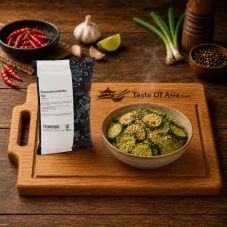
Drana White Sesame Seeds 500 g
Read next
If you want to continue with the same topic, here are more related articles to explore: