Česky (CZK)
 Slovensky (EUR)
 Deutsch (EUR)
 Austria
 Belgium
 Bulgaria
 Croatia
 Denmark
 Estonia
 Finland
 France
 Germany
 Greece
 Hungary
 Italy
Italy Latvia
 Lithuania
 Luxembourg
 Netherlands
 Poland
 Portugal
 Romania
 Slovenia
 Spain
Spain Sweden










Sweet Hungarian Paprika (ASTA): how to spot it, use it well, and get the most color and flavor
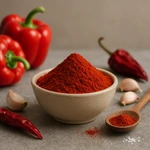
🌶️ What “Sweet Hungarian Paprika (ASTA)” actually means
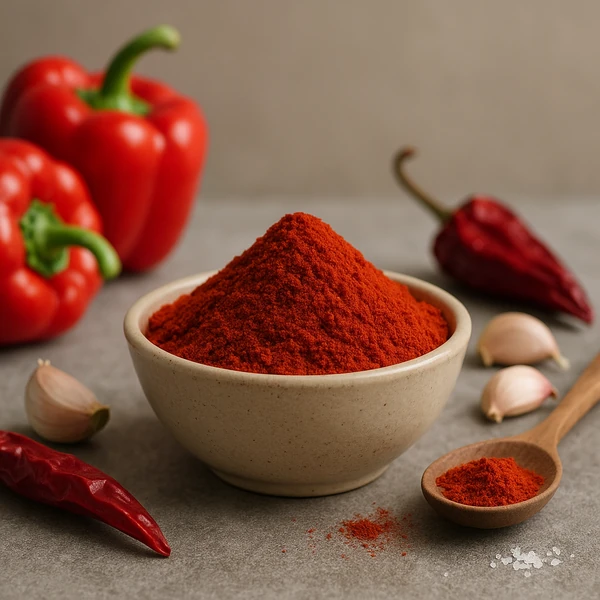
Sweet Hungarian paprika is finely ground dried red peppers. Compared to chili powders, its job is less about heat and more about color, aroma, and a mellow, slightly sweet pepper taste.
You’ll often see paprika labeled with ASTA. This refers to a standardized measurement developed by the American Spice Trade Association that indicates color intensity (in practice: how vividly red your food will look). Higher ASTA usually means a stronger, brighter red pigment—useful when you want a rich color without adding lots of powder that could make a dish taste dusty.
- Flavor: rounded, gently sweet, not spicy
- Aroma: warm, paprika-forward, lightly “sun-dried”
- Main strength: vivid color + depth, especially in sauces and stews
🧭 A quick note on origin and why Hungarian-style paprika became a classic
Paprika is deeply associated with Central European cooking, where it’s used as a foundational seasoning rather than a finishing dust. That tradition shaped the “correct” technique: paprika is often briefly warmed in fat to release aroma, then quickly protected with liquid to prevent scorching. This is exactly the skill that separates a rich, fragrant dish from one with a bitter aftertaste.
🔥 How to heat paprika without bitterness (the key technique)
Ground paprika is delicate. Its sugars and pigments can burn fast, especially in dry heat. Use these rules and you’ll avoid the most common problem—bitterness.
- Keep the heat moderate. Add paprika after onions or aromatics have softened, not while the pan is screaming hot.
- Bloom briefly (10–30 seconds). Stir paprika into oil/fat just until it smells fragrant.
- Then immediately add liquid or moisture. Stock, tomato, soy-based sauce, wine, or even a splash of water stops it from scorching.
- For long-cooked dishes: consider adding paprika in two stages—some early for depth, a small pinch near the end for fresher color.
🍲 Where sweet paprika shines (not only European dishes)
Stews, soups, and sauces
Any dish with enough moisture lets paprika disperse evenly, turning the whole base a warm red while rounding out savory notes. It’s especially useful in tomato-based sauces and slow-cooked meat or bean dishes.
Dry rubs, marinades, and grilling
In rubs, sweet paprika contributes color to the crust and a gentle peppery sweetness. In marinades, it blends well with garlic, onion, cumin, black pepper, and a little sugar or honey.
Wok and “fusion” weeknight cooking
Sweet paprika isn’t a traditional staple across Asia, but it works surprisingly well as a color-and-depth booster when you don’t want extra heat. Try it in:
- Stir-fried vegetables with soy sauce and a splash of rice vinegar (paprika adds warmth and color)
- Pan-seared tofu with garlic and sesame oil (paprika rounds out the aroma)
- Noodle sauces where you want a richer red tone without making the dish spicier
🧩 Flavor pairings that make paprika taste “bigger”
- Onion + garlic (a classic base that carries paprika well)
- Tomato (natural synergy in sauces and braises)
- Acidity like vinegar or citrus (brightens and keeps the taste from feeling heavy)
- Fat like oil, butter, or coconut milk (helps distribute aroma and color evenly)
- Smoky notes from grilling or charred ingredients (sweet paprika softens and rounds the smoke)
🛒 How to choose the right paprika (ASTA, color, and use-case)
If your priority is a deep red appearance—goulash-style stews, red sauces, marinades, or seasoning blends—look for paprika with a clearly stated ASTA value. Higher ASTA generally means more vibrant color.
- For color-driven dishes: choose a higher-ASTA paprika and use a little less.
- For everyday cooking: a balanced sweet paprika is versatile and forgiving.
- For heat control: keep sweet paprika as the base and add hot paprika separately so you can fine-tune spiciness.
🧴 Storage: keep the color bright and the aroma fresh
Paprika loses intensity faster than many spices because its pigments are sensitive to light, heat, and air.
- Store in an airtight container.
- Keep it cool and dark (not next to the stove).
- Use a dry spoon; moisture speeds up staling and clumping.
🧯 Common mistakes (and quick fixes)
- It turned bitter: the pan was too hot or paprika sat too long in fat. Next time, bloom briefly on medium heat and add liquid right away.
- The dish looks pale: add paprika in two steps (early + a small amount near the end) or choose a higher-ASTA paprika for stronger color.
- The flavor feels flat: paprika often wakes up with a touch of salt, a little acidity, or more fat to carry aroma.
🍳 A simple “how to use it today” idea
Quick red stir-fry sauce: Mix 1 tsp sweet paprika, 1 tbsp soy sauce, 1 tbsp water (or stock), 1 tsp sugar, 1 tsp vinegar, and a small grated garlic clove. Pour into a hot pan over cooked meat/tofu and vegetables, toss for 30–60 seconds, and serve with rice or noodles. Add hot paprika or chili only if you want heat.
⭐ Our picks
- Drana Sweet Hungarian Paprika ASTA 500 g – a practical pantry size for frequent cooking and color-rich sauces.
- Drana Delicacy Paprika ASTA 160 500 g – a good option when you specifically want a stronger red hue.
- Drana Paprika Hot 25 g – useful for adding heat separately while keeping sweet paprika as your base.
❓ FAQ
Is ASTA about spiciness?
No. ASTA is primarily a measure of color intensity. Heat depends on the pepper variety and whether hot components are included.
Can I add paprika directly to boiling soup?
You can, but it often tastes better if you briefly bloom it in a little oil (or with sautéed onions) first. If you do add it straight to liquid, whisk well to avoid clumps.
Why does old paprika taste dull?
The aromatic compounds and pigments fade over time, especially if exposed to light and heat. Fresh, well-stored paprika smells sweeter and looks noticeably brighter.

Recommended products1
Drana Sweet Hungarian Paprika ASTA 500 g
Read next
If you want to continue with the same topic, here are more related articles to explore: