

 Česky (CZK)
 Slovensky (EUR)
 Deutsch (EUR)
 Austria
 Belgium
 Bulgaria
 Croatia
 Denmark
 Estonia
 Finland
 France
 Germany
 Greece
 Hungary
 Italy
Italy Latvia
 Lithuania
 Luxembourg
 Netherlands
 Poland
 Portugal
 Romania
 Slovenia
 Spain
Spain Sweden










Spaghetti Seasoning That Won’t Bore You: How to Build Flavor (and Borrow from Asian Sauces)
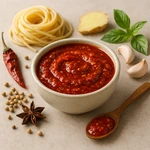
Why seasoning matters more than the sauce
Most spaghetti sauces start with familiar building blocks: oil, garlic/onion, tomatoes or cream, a pinch of salt. Seasoning is what turns those basics into a dish with a clear identity. It also helps you create variety without changing your entire pantry—especially if you learn when to add spices and how to balance them with acidity, fat, and umami.
🌿 What people mean by “spaghetti seasoning”
In everyday cooking, “spaghetti seasoning” usually means a convenient blend (or a repeatable combination) designed to deliver a classic pasta aroma quickly—typically dried herbs plus garlic notes, sometimes chili, pepper, and a touch of sweetness or onion. The goal isn’t to overpower your sauce, but to give it a recognizable backbone so each plate tastes intentional rather than improvised.
Think of it as a shortcut to a consistent flavor profile. You can use a blend, or you can build your own “house style” with a few staples.
🧄 The three layers that keep spaghetti interesting
If your spaghetti keeps tasting “the same,” it’s often because everything sits in one layer (salt + tomato + herbs). A more versatile approach is to build three layers:
- Base (aroma): garlic, onion, dried herbs, ginger, scallion, sesame—this is what you smell first.
- Backbone (depth): black pepper, chili flakes, smoked paprika, curry-like warmth, or savory umami (e.g., soy-style notes, mushroominess, aged cheese).
- Lift (a small spark): acidity (lemon, vinegar), a touch of sweetness, fresh herbs, or a finishing chili heat.
Once you have these layers, you can rotate one element at a time—so the dish changes without becoming chaotic.
🔥 How to use spices so they taste “cooked in,” not dusty
Spices behave differently in oil than they do in liquid. To get a rounded flavor:
- Bloom in oil for 10–30 seconds: Add dried herbs/chili to warm oil before liquids. This releases aroma fast. Keep the heat moderate so garlic and spices don’t scorch.
- Simmer in sauce for balance: Stir seasoning into tomatoes/cream and give it a few minutes. This is the safest way to avoid harsh, raw edges.
- Finish for freshness: A tiny pinch of herbs or pepper at the end can make the plate smell brighter. Don’t “finish” with a lot of dry seasoning—use it like a perfume, not a coating.
- Use pasta water: A splash of starchy water helps spices disperse and cling to the noodles instead of sitting in clumps.
🍜 Why spaghetti works in Asian-style sauces
Spaghetti is neutral, elastic, and great at holding sauce—exactly why it can stand in for many wheat noodles when you’re cooking at home. Asian cooking often builds flavor through aromatic oils, layered seasoning, and bold contrasts (salty–sweet–sour–spicy). Those ideas translate beautifully to spaghetti.
Instead of asking, “Is this Italian enough?”, try asking, “What style of noodle dish do I want?” Spaghetti can go Mediterranean, but it can also go stir-fried, glossy, spicy, or sweet-and-sour.
✅ Choosing a seasoning style that won’t get boring
Variety comes from choosing a direction rather than chasing a perfect “all-purpose” blend. Here are four dependable directions and how to keep each one flexible:
1) Herb & garlic (classic comfort)
- Works with: tomato sauces, olive oil-based sauces, roasted vegetables.
- Keep it fresh: finish with lemon zest or a little black pepper instead of adding more herbs.
2) Chili-forward (clean heat)
- Works with: tomato, seafood-style sauces, quick pan sauces.
- Keep it balanced: add a sweet note (a pinch of sugar or sweet sauce) so the heat tastes round, not sharp.
3) Smoky & deep (savory comfort)
- Works with: mushrooms, lentils, minced meat alternatives, grilled vegetables.
- Keep it lively: add a small acidic finish (vinegar or citrus) to avoid “flat” heaviness.
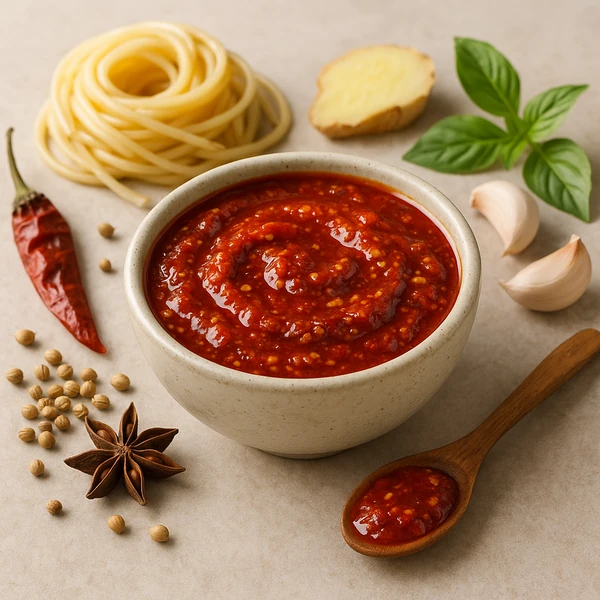
4) Umami-led fusion (Asian pantry friendly)
- Works with: soy-style sauces, sesame, ginger, garlic, chili, sweet-and-sour profiles.
- Keep it coherent: if you use a strong paste or concentrated sauce, reduce extra seasonings—let one “hero” ingredient lead.
Common mistakes (and easy fixes)
- Burning aromatics: garlic and chili turn bitter fast. Lower the heat and add liquids sooner.
- Over-seasoning early: dried blends can intensify as they hydrate. Start small, taste after 2–3 minutes, then adjust.
- Too many “stars” in one pan: if you’re using a bold Asian-style sauce, skip extra herb mixes and keep the supporting notes simple.
- Seasoning only on the plate: spices need fat or liquid to bloom. Toss the pasta in the sauce in the pan for 30–60 seconds.
Storage & practicality tips 🧂
- Keep dried seasonings cool and dark: heat and light flatten aroma.
- Close lids tightly: spice blends pick up humidity and clump, which makes dosing inconsistent.
- Watch for salt in blends: if your mix is salty, season the sauce later and more carefully.
A quick “Asian spaghetti” method you can repeat
- Cook spaghetti until just al dente. Reserve a mug of pasta water.
- In a pan, warm a little oil. Add garlic/ginger (or a pinch of dried aromatics) and stir for 10–20 seconds.
- Add your main sauce element (soy-style + a sweet note, or sweet-and-sour style, or a chili-based sauce). Loosen with a splash of pasta water.
- Toss spaghetti in the pan for 30–60 seconds until glossy and coated. Taste and adjust with acidity or heat.
This approach is less about strict authenticity and more about technique: aromatic base + sauce + emulsify + finish.
Our picks (sweet-and-herby shortcuts for fusion spaghetti)
If you like the sweet–tangy dimension common in many Asian sauces, chutneys can act as an instant “lift” in a pan sauce—especially with chili and soy-style seasonings.
- SWAD Chutney mango exotic sauce 350 g – a quick way to add sweetness and fruit acidity to spicy or sweet-and-sour spaghetti.
- Ashoka Chutney Mint 250 g – useful as a fresh, herbal finish for garlicky noodles or veggie-heavy spaghetti.
- Ashoka Coriander Chutney 250 g – adds bright herb flavor; try a spoon stirred into a warm pan sauce right before serving.
FAQ
Should I add seasoning to the water when boiling spaghetti?
Salt the water, yes. Most spice blends are better in oil or sauce—boiling water dulls aromatics and you’ll pour much of it away.
How do I keep a spicy spaghetti from tasting harsh?
Balance heat with a little sweetness and enough fat (oil, coconut-style creaminess, or a richer sauce). A small splash of acidity at the end also helps.
Can I use the same seasoning for tomato sauce and Asian-style sauces?
You can, but adjust the amount. Herb-heavy mixes often clash with soy/sesame/ginger profiles. For fusion, keep herbs subtle and focus on garlic, chili, and umami.

Recommended products1
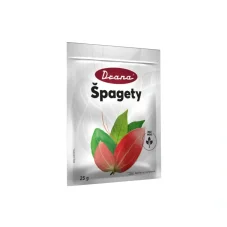
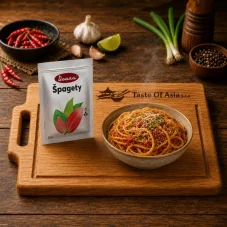
Drana Spaghettis 25 g
Read next
If you want to continue with the same topic, here are more related articles to explore: