

 Česky (CZK)
 Slovensky (EUR)
 Deutsch (EUR)
 Austria
 Belgium
 Bulgaria
 Croatia
 Denmark
 Estonia
 Finland
 France
 Germany
 Greece
 Hungary
 Italy
Italy Latvia
 Lithuania
 Luxembourg
 Netherlands
 Poland
 Portugal
 Romania
 Slovenia
 Spain
Spain Sweden










Rosemary: The Aromatic Herb That Lifts Roasts, Potatoes, and Marinades
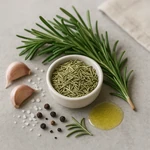
Rosemary has a strong personality. A small pinch can bring warmth and structure to a roast; a heavy hand can quickly turn a dish bitter or medicinal. This guide focuses on practical kitchen use: what rosemary tastes like, how to handle fresh vs. dried, where it shines, and how to work it into bold, umami-forward marinades without overpowering everything else.
🌿 What rosemary is (and why it’s so potent)
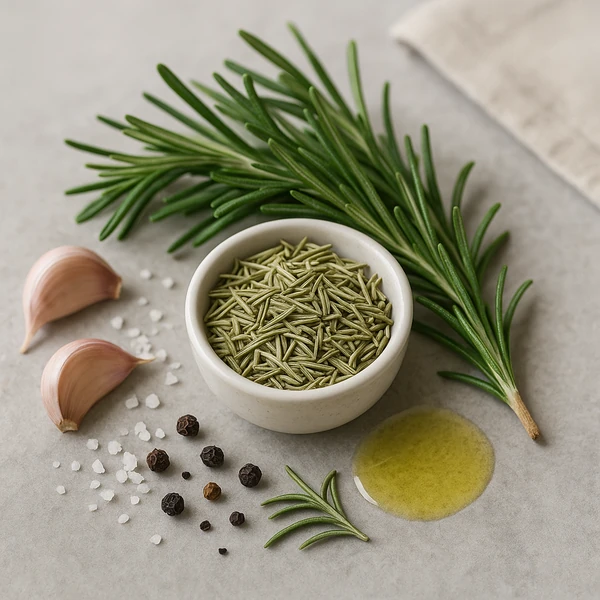
Rosemary (Rosmarinus officinalis) is a Mediterranean evergreen herb with needle-like leaves packed with aromatic oils. Those oils are the reason rosemary is so heat-friendly: roasting, grilling, and pan-searing release its fragrance and help it cling to the surface of food.
Flavor profile: piney, resinous, slightly peppery, and gently bitter—often with a clean “forest” aroma. It pairs especially well with fats (oil, butter, meat drippings), which carry its aroma across the whole dish.
👃 Fresh vs. dried rosemary: when to use which
- Fresh sprigs are ideal for long cooking (roasts, braises, stocks) or for infusing oil. You can remove the sprig before serving for a cleaner texture.
- Dried rosemary is concentrated and convenient. It’s best when crushed between your fingers or briefly warmed in oil to “wake up” the aroma.
Texture tip: Rosemary needles can feel tough if left whole in quick-cooked dishes. For marinades or rubs, chop fresh leaves finely or crush dried rosemary well.
🔥 How to use rosemary without overpowering your food
- Start small: for dried rosemary, a pinch is often enough for a whole tray of potatoes; for fresh, a small sprig or a few chopped leaves can do the job.
- Infuse in fat: gently warm rosemary in oil or butter for 1–2 minutes, then use the fragrant fat for vegetables, noodles, or finishing grilled meat. Don’t let it burn.
- Use heat to your advantage: rosemary performs best in roasting and grilling, where its aroma becomes rounder and less sharp.
- Remove whole sprigs: in soups, broths, and pan sauces, steep rosemary like a bay leaf—then take it out to avoid bitterness.
🍽️ Best pairings: classic matches that always work
Meat, fish, and vegetables
- Chicken: roast, grill, sheet-pan dinners with garlic and lemon.
- Beef: steaks and pan sauces; rosemary loves high heat and browned flavors.
- Lamb and game: the herb’s resinous notes complement richer, more distinctive meats.
- Potatoes, pumpkin, root vegetables: toss with oil, salt, and rosemary before roasting for an easy upgrade.
Seasonings that “bridge” rosemary into bolder flavors
- Garlic softens rosemary’s sharp edges.
- Citrus zest (lemon, yuzu-style profiles) brightens and lifts the aroma.
- Black pepper amplifies the herbal warmth.
- Umami bases (soy sauce, miso-style pastes, mushroom-rich sauces) create a pleasing contrast: salty depth with a clean herbal top note.
🥢 Rosemary in modern Asian-inspired cooking (yes, it can work)
Rosemary isn’t a traditional staple in most East and Southeast Asian home kitchens, but it fits surprisingly well in fusion-style grilling and umami-forward marinades. The key is restraint: let rosemary play a supporting role behind soy, ginger, garlic, sesame, or chili.
- Grill marinades: add a small pinch of crushed dried rosemary to a soy-based marinade to give grilled chicken or pork a dry, aromatic “edge”.
- Roasted veg as a side to rice/noodles: rosemary-infused oil on roasted squash, sweet potato, or potatoes can taste fresh and unexpected next to simple steamed rice.
- Finishing oil: a quick rosemary infusion can replace “herb oil” in bowls and plates where you’d otherwise drizzle sesame oil—use less and combine with a neutral oil for balance.
🍳 Quick usage idea: Soy–ginger rosemary marinade (small batch)
This is a practical starting point for grilled chicken thighs, pork neck, or tofu steaks.
- 2 tbsp soy sauce
- 1 tbsp neutral oil
- 1–2 tsp honey or brown sugar
- 1 small garlic clove, grated
- 1 tsp grated ginger
- Pinch of crushed dried rosemary (or 1/2 tsp finely chopped fresh leaves)
- Optional: black pepper or a little chili
Mix, coat your protein, and marinate for 30 minutes to 4 hours. Grill or roast. If you’re new to rosemary, keep the first batch subtle—you can always add more next time.
🧊 Storage and timing: keeping rosemary aromatic
- Dried rosemary: store airtight, away from heat and light. Crush only what you need to preserve aroma.
- Fresh rosemary: keep wrapped in a slightly damp paper towel in the fridge, or stand sprigs in a glass with a little water (like flowers), loosely covered.
- When to add it: early for roasting/grilling; later (or removable sprigs) for sauces and broths to prevent bitterness.
❓ FAQ
- Why does my rosemary taste bitter?
- Usually it’s too much rosemary, cooked too long in a sauce, or the leaves burned in hot oil. Use smaller amounts, infuse gently, and remove whole sprigs after steeping.
- Can I swap fresh and dried rosemary?
- Yes, but dried is more concentrated. Start with roughly one-third the amount of dried compared to fresh, then adjust.
- Does rosemary work with soy sauce?
- It can—especially for grilled foods. Keep rosemary subtle so the soy/ginger/garlic base remains dominant.
🛒 Our picks
Rosemary is most useful in two pantry forms: dried leaves for everyday roasting and marinades, and fresh sprigs for infusions and whole-sprig roasting. Choose based on how often you cook and whether you prefer convenience or maximum fragrance.
🧭 Related categories
If you’re building an herb-and-spice kit for both Western and Asian-inspired cooking, look for complementary staples such as garlic-forward blends, citrusy seasonings, and umami-rich sauces that can carry aromatic herbs without letting them dominate.
Our picks
Relevant internal links for this topic:

Recommended products1
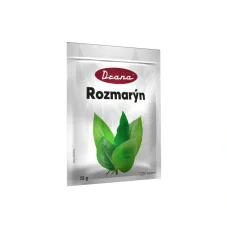
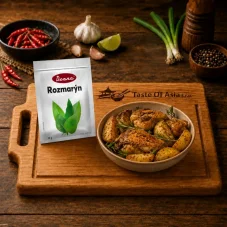
Drana Rosemary 15 g
Read next
If you want to continue with the same topic, here are more related articles to explore: