

 Česky (CZK)
 Slovensky (EUR)
 Deutsch (EUR)
 Austria
 Belgium
 Bulgaria
 Croatia
 Denmark
 Estonia
 Finland
 France
 Germany
 Greece
 Hungary
 Italy
Italy Latvia
 Lithuania
 Luxembourg
 Netherlands
 Poland
 Portugal
 Romania
 Slovenia
 Spain
Spain Sweden










Black pepper that gives food zest and depth
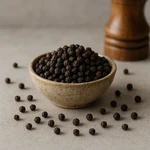
Why black pepper matters beyond “heat” 🌶️
In many kitchens, black pepper is treated like a finishing dust. In Asian cooking, it often plays a bigger role: it bridges savory sauces, bright acidity, and rich fats, adding a gentle warmth that isn’t the same as chili heat. A few turns of a grinder can lift a simple bowl of rice; a heavier hand can shape an entire stir-fry or sauce.
Its signature bite comes largely from piperine, while the aroma comes from volatile oils that dissipate quickly once pepper is pre-ground. That’s why pepper can taste “flat” from an old shaker but vivid and citrusy-woody when freshly cracked.
What black pepper is (and why it tastes the way it does) 🧂
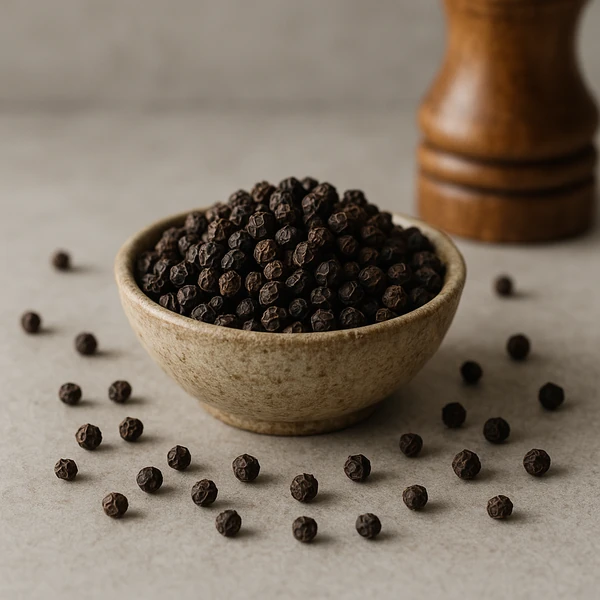
Black peppercorns are the dried, unripe berries of the pepper vine (Piper nigrum). After harvesting, the berries darken as they dry, forming the familiar wrinkled black shell. Inside is a lighter core that carries much of the pungency.
Depending on origin and processing, black pepper can lean:
- Citrusy and bright (great for noodle dishes and dipping sauces)
- Woody and earthy (excellent in broths, stews, and braises)
- Warm and resinous (ideal for pepper-forward stir-fries)
Even when you don’t taste it as “peppery,” it can make other flavors feel clearer—especially saltiness and umami from soy sauce, mushrooms, and meat-based broths.
Whole vs. ground: which should you use? ✅
Whole peppercorns
- Best for: broths, long-simmered soups, braises, and pickles.
- What you get: slower extraction and a rounder, less sharp pepper note.
- How to use: add whole, or lightly crush with the side of a knife or mortar to speed up flavor release.
Freshly ground (or freshly cracked) pepper
- Best for: finishing rice and noodles, quick stir-fries, eggs, tofu, and dipping sauces.
- What you get: maximum aroma—floral, citrusy, and complex—because the oils are released right before eating.
- How to use: grind fine for sauces and soups; crack coarse for texture on stir-fries and fried dishes.
Pre-ground pepper
- Best for: convenience or large-batch cooking when aroma is less critical.
- Watch out for: it loses fragrance quickly after opening. If it smells dusty or weak, it will taste that way too.
When to add pepper so it stays fragrant (not bitter) 🍳
- Early in cooking: add a small amount when building a base (onion/garlic/ginger in oil). It melds into the dish and tastes smoother.
- Mid-cook: in stir-fries, add briefly and keep it moving. Pepper can scorch in very hot oil and develop bitterness.
- At the end: add freshly ground pepper right before serving for the brightest aroma and a clean, spicy “lift.”
A useful approach is “split dosing”: a pinch early for depth, then a final grind at the table for fragrance.
How black pepper shows up in Asian cooking 🥢
Black pepper plays well with the building blocks of many Asian cuisines—soy sauce, fish sauce, garlic, ginger, vinegar, and toasted oils. It can also replace some of the “kick” you’d normally get from chili when you want warmth without a strong chili flavor.
- Chinese-style pepper sauces: pepper pairs naturally with dark soy, oyster-style sauces, and a touch of sugar for balance.
- Salt-and-pepper preparations: coarse pepper adds aroma and texture to fried tofu, mushrooms, seafood, or chicken.
- Vietnamese and Thai profiles: black pepper enhances caramelized sauces, clear broths, and dishes built on fish sauce and lime.
- Indian cooking: pepper supports garam masala-style warmth and can sharpen creamy curries without adding chili heat.
Flavor pairings that rarely fail
- Soy sauce + garlic: the classic savory backbone—pepper makes it feel more three-dimensional.
- Ginger + scallion: excellent in soups and steamed dishes; pepper adds warmth without overpowering.
- Vinegar, lime, or tamarind: acidity makes pepper taste more aromatic and keeps the finish lively.
- Coconut milk: pepper cuts richness and keeps mild curries from tasting one-note.
- Mushrooms and broths: pepper amplifies umami and gives vegetarian dishes a more “meaty” impression.
How to choose good peppercorns (quick checklist)
- Prefer whole peppercorns if you can—then grind as needed.
- Look for bold aroma: even through the packaging, quality pepper often smells warm and spicy rather than dusty.
- Check size and uniformity: very tiny or very uneven peppercorns can be a sign of lower grading (not always, but often).
- Choose grind size intentionally: fine grind disappears into sauces; coarse cracks stand out and can feel spicier.
Common mistakes (and how to fix them) 🔥
- Burning pepper in hot oil: if a dish tastes harsh or bitter, add pepper later and keep the pan moving.
- Relying on stale pre-ground pepper: switch to whole peppercorns and grind fresh—this is the single biggest upgrade for most home cooks.
- Over-peppering mild dishes: pepper builds quickly in creamy soups and delicate broths. Add gradually and taste as you go.
- Only using pepper at the table: finishing is great, but adding a little during cooking gives depth that finishing alone can’t replicate.
Storage: keep the aroma where it belongs 👃
Store pepper in an airtight container, away from heat and direct light. Keep it dry—steam from the stove and humidity can dull the aroma faster than you’d expect. Whole peppercorns stay vibrant much longer than ground pepper, so buying whole and grinding small amounts is usually the best balance of flavor and practicality.
A simple pepper-forward idea you can use tonight ✨
Quick “pepper rice” finish (no recipe fuss)
- Warm cooked rice with a small splash of neutral oil (or toasted sesame oil if you like it nuttier).
- Add a pinch of salt and a small drizzle of soy sauce.
- Grind black pepper generously over the top.
- Finish with sliced scallion and a squeeze of lime (optional but excellent).
This works as a side for stir-fries, grilled meats, tofu, or a fried egg—pepper provides the warmth and aroma that makes plain rice feel intentional.
Our picks (what to keep in your pantry)
- Whole black peppercorns: the everyday essential for grinding fresh.
- Coarsely cracked black pepper: handy for salt-and-pepper frying and pepper-forward sauces.
- A dedicated pepper mill: consistent grind and better aroma at the table.
FAQ ❓
Is black pepper “spicy” like chili?
Not in the same way. Black pepper’s warmth is sharper and more aromatic, while chili heat is driven by capsaicin and tends to linger differently.
Can I add black pepper to a very hot wok stir-fry?
Yes, but use care. Add it late or keep it moving so it doesn’t scorch. For maximum fragrance, finish with fresh pepper off the heat.
Does it matter if I use whole peppercorns?
For aroma, it matters a lot. Whole peppercorns protect the oils that give pepper its most interesting flavors; grinding right before serving releases them.

Recommended products4


Drana Pepper Black Whole 20 g

Drana Pepper Black Ground 20 g

Herzberg Stainless steel pepper mill
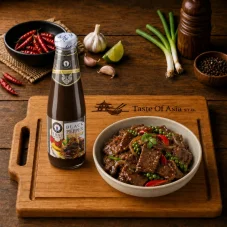


Thai Dancer Pepper sauce for frying 300 ml
Read next
If you want to continue with the same topic, here are more related articles to explore: