

 Česky (CZK)
 Slovensky (EUR)
 Deutsch (EUR)
 Austria
 Belgium
 Bulgaria
 Croatia
 Denmark
 Estonia
 Finland
 France
 Germany
 Greece
 Hungary
 Italy
Italy Latvia
 Lithuania
 Luxembourg
 Netherlands
 Poland
 Portugal
 Romania
 Slovenia
 Spain
Spain Sweden










Lemon Pepper: The Bright Citrus Twist That Lifts Fish, Wok Dishes, and Rice
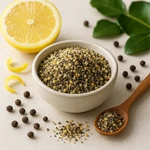
🍋 What lemon pepper actually is (and why it works)
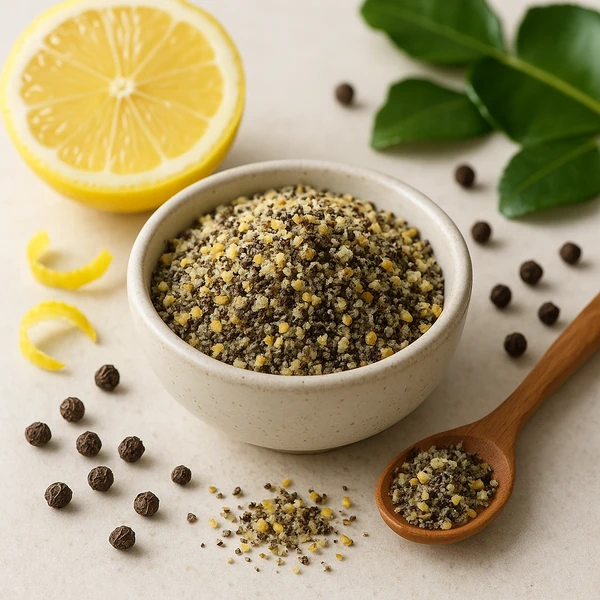
Lemon pepper is typically a blend of black pepper and a citrus element—most often dried lemon peel or lemon zest powder. Some versions also include salt, a little sugar, garlic, or onion for a more rounded “all-in-one” seasoning.
What makes it so useful is contrast: pepper adds heat and depth, while citrus adds brightness. That brightness can cut through oiliness (fried foods, rich sauces) and can make mild ingredients (fish, tofu, vegetables) taste more vivid without turning the dish sour.
🌿 Flavor profile: what to expect
- Aroma: fragrant, zesty, and slightly floral when freshly opened or just added to hot food.
- Taste: peppery warmth up front, followed by a clean citrus note.
- Heat level: usually mild to medium; it’s “pepper heat,” not chili heat.
Because the citrus part is aromatic, lemon pepper often performs best as a finishing seasoning rather than something you cook for a long time.
🍳 How to use lemon pepper in everyday cooking
When to add it (timing matters)
- Finish at the end: sprinkle right before serving to keep the citrus aroma bright.
- In marinades: give it time to hydrate and meld—great for chicken, fish, tofu, and vegetables.
- In stir-fries: add in the last 30–60 seconds, or even directly on the plated dish.
How much to use
- Start small (a pinch), taste, then adjust. Pepper intensity can build quickly.
- For delicate foods (white fish, shrimp), season lightly in layers rather than all at once.
🐟 Where it shines: fish, wok, and rice
Fish and seafood
Lemon pepper is a natural match for grilled, pan-seared, or baked fish. It’s especially helpful when you want a citrus lift but don’t want to add liquid (which can soften crisp skin or batter).
- Pan-seared fish: season with salt first, cook, then finish with lemon pepper off the heat.
- Shrimp: toss cooked shrimp with a touch of oil or butter and a pinch of lemon pepper before serving.
Wok dishes (stir-fries)
In fast, hot cooking, lemon pepper can act like a “final spark.” It pairs well with classic stir-fry aromatics and sauces and can make a dish feel less heavy even when it includes oil, noodles, or meat.
- Vegetable stir-fry: add at the end along with scallions or herbs.
- Noodle stir-fry: use as a finishing seasoning to brighten soy-based sauces.
Rice (especially fried rice)
Fried rice often benefits from a fresh top note. Lemon pepper can add that without changing the texture of the rice the way fresh lemon juice might.
- Classic trick: sprinkle a little lemon pepper after the rice leaves the pan, then toss once more.
- For packed lunches: it stays aromatic longer than fresh citrus and keeps the flavor lively when reheated.
🧂 Great pairings (and a few to be careful with)
Flavor combinations that work well
- Garlic + ginger: a reliable base for stir-fries; lemon pepper adds a fresh finish.
- Soy sauce or tamari: citrus notes help lift salty, savory depth.
- Chili (flakes, paste, or oil): citrus and heat feel cleaner together and can make spice taste more aromatic.
- Coconut-based sauces: a pinch at the end can make rich coconut feel lighter.
- Fresh herbs: cilantro, Thai basil, or scallions pair naturally with citrusy seasoning.
When to go easy
- Very acidic dishes: if a recipe already has plenty of lime/lemon and vinegar, lemon pepper can become “too sharp.” Add cautiously.
- Long simmering: prolonged heat dulls citrus aroma; reserve some for finishing.
🔎 How to choose a good lemon pepper blend
Not all lemon pepper is the same. Here’s what to check on the label and in the jar:
- Real citrus content: blends with dried lemon peel/zest tend to taste more natural and less perfumey.
- Salt level: some blends are heavily salted. If salt is included, season the dish with less salt elsewhere.
- Grind size: finer blends coat evenly; coarser blends give little bursts of pepper and zest (nice as a finishing sprinkle).
- Freshness: citrus aroma fades over time—choose packaging that closes well and buy quantities you’ll actually use within a reasonable time.
📦 Storage and common mistakes
- Keep it dry and sealed: moisture dulls citrus notes and can cause clumping.
- Don’t scorch it: adding too early in a very hot pan can mute the lemon aroma and make the pepper taste harsh.
- Season in two steps: a little during cooking (optional) and a little at the end often tastes better than one heavy dose.
💡 Quick usage idea: a 2-minute finishing seasoning
When a dish tastes “flat” but you don’t want to change it dramatically, try this: plate the food, add a tiny pinch of lemon pepper, and finish with one fresh element—sliced scallion, a few cilantro leaves, or a drizzle of sesame oil. It’s a small adjustment that can make noodles, rice, and stir-fries taste more vibrant.
❓ FAQ
Is lemon pepper spicy?
It’s usually only mildly hot—more of a warming pepper bite than a chili burn. If you’re sensitive to pepper, start with a very small pinch and build up.
Can lemon pepper replace fresh lemon or lime?
It can replace some of the aroma and brightness, but it won’t fully replace the juiciness and acidity of fresh citrus. For many stir-fries and fried rice dishes, it’s a convenient “dry” alternative that keeps texture intact.
What’s a simple substitute if I don’t have it?
Combine freshly ground black pepper with finely grated lemon zest (or a little dried lemon zest), then add salt separately. It won’t be identical, but it gets you close.
Our picks
- Lemon pepper seasoning: choose a blend with visible citrus peel for the most natural aroma.
- Black pepper (whole or ground): useful for adjusting heat without overdoing the citrus.
Related categories
- Spice blends: convenient all-in-one seasonings for quick stir-fries and weeknight cooking.
- Pepper and peppercorns: for tailoring heat level and aroma.

Recommended products1
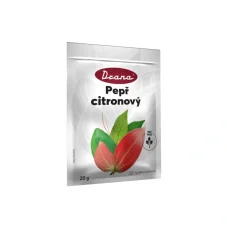
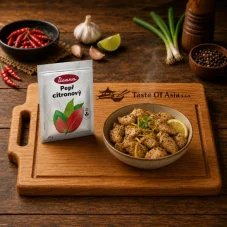
Drana Lemon Pepper 20 g
Read next
If you want to continue with the same topic, here are more related articles to explore: